Cody Temple Lights Spark Ongoing Complaints
Residents near the new Cody, Wyoming temple say the building's illumination and traffic have worsened their quality of life since the October dedication.
By Javier Sanders ·
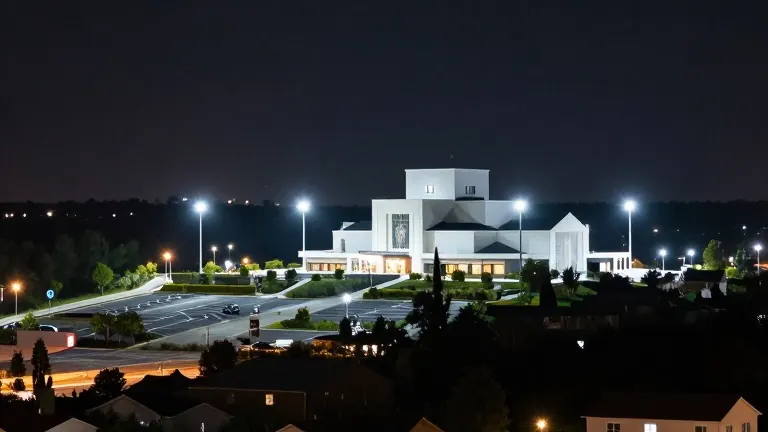
The Cody, Wyoming temple opened for church members on Tuesday, ending a period of public access and beginning a new phase of friction with neighboring residents. While the 9,950-square-foot structure has been dedicated, those living on the edges of the property argue that the visual and physical impact of the building has only grown since construction began.
Colin Pitet, whose land borders the temple site, stated that his initial fears regarding the 77-foot steeple and the outdoor lighting have proven correct. He described the building as sticking out like a sore thumb against the town's skyline. Pitet noted that his opposition was never about the internal practices of the Church of Jesus Christ of Latter-day Saints, but rather the physical presence of the structure in a rural-residential neighborhood.
The dispute centers on the temple's location on a bluff overlooking downtown Cody. The site was built on land donated by a church member. Opponents, including the Protect Our Cody Neighborhoods group, argued during the approval process that the facility should have been sited in a commercial district. They maintain that the current placement forces residents to contend with a large, illuminated edifice in a quiet residential area.
Sarah Frances McClure, a resident who bought her home for the dark night skies, reported that the lighting has become a constant physical and emotional battle. She said the lights keep her newborn triplets awake. The illumination from the parking lot strikes her family at eye level in their living room. She added that the motion sensors for the parking lights are sensitive enough to trigger from a gust of wind, preventing the house from ever being truly dark.
Lisa Hullinger, the church's area relations manager, confirmed in August that the main building lights turn on 30 minutes before sunset and switch off between 10 p.m. and 5 a.m. However, McClure noted that the early morning lighting initially disrupted her infants until Cody City Manager Tony Tolstedy told the church to delay turning them on until 6:15 a.m. Pitet said the parking lot lights and the illuminated sign remain on 24 hours a day, further affecting his home which sits at a lower elevation than the temple.
Traffic patterns have also drawn criticism. Church representatives previously pledged that the temple would not cause a noticeable increase in traffic. Pitet called this promise patently false. He counts six to 12 vehicles parked outside the temple daily, in addition to tourists who stop to take photos. He has not yet contacted church officials about these issues but remains hopeful for a resolution.
Amy Dansie, the church's Cody Stake communications director, highlighted the three-week open house that preceded the dedication. She reported that 18,572 people visited the site, including local elected officials and religious leaders. Dansie said the tours fostered a sense of mutual respect and allowed people to appreciate the church's practices.
Cody City Council member Don Shreve said he heard no complaints about the building during his recent door-knocking campaign. He believes most residents have moved past the controversy and views the church as a good neighbor. Shreve noted that city code has since been changed to give the council a clearer say in future approvals. Council member Emily Swett declined to comment, and her challenger, Joseph Burrell, did not respond to requests for comment.
Pitet admitted that the landscaping on the temple property is a positive aspect. He hopes the planted trees may eventually block some of the light pollution. He said he is reminded of the temple's presence every day, a reality that his neighbors who do not live next door might prefer to ignore.