EPA Links Bed Sheet Dots To Pests
The U.S. Environmental Protection Agency states that black spots on linens often indicate an active bed bug infestation.
By Amelia Gupta ·
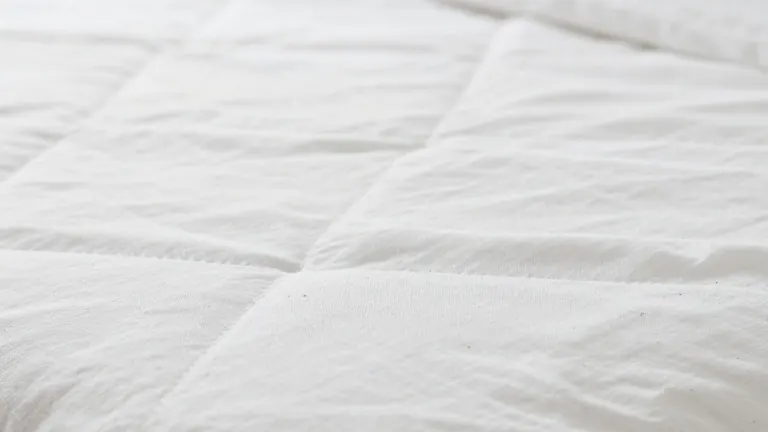
Black dots appearing on white bed sheets are a warning sign of an active pest problem, according to the U.S. Environmental Protection Agency. The federal body identified these marks as evidence of bed bugs, small insects that hide in sleeping areas and emerge at night to feed on hosts.
The presence of these dark spots on fabric is a primary indicator that maintenance has lapsed. Experts agree that ignoring such signs allows the infestation to spread quickly if not detected early. The EPA notes that these insects seek out locations where people sleep, making the bedroom the central point of their activity.
Bed bugs have a distinct physical appearance that aids in identification. Their bodies are oval and flat, colored in a reddish-brown tone. They are small enough to hide in tight spaces, which makes them difficult to spot with the naked eye until a population has grown large enough to leave visible traces on bedding.
Detection requires a close inspection of specific areas within the bedroom. Inspectors should look carefully at the seams of the mattress, the box spring, the headboard, and small openings in the bed frame. These structural gaps provide the shelter the insects need during the day. Finding them in these spots confirms the presence of the pests before they become widespread.
Once bed bugs are identified, immediate action is necessary to stop their proliferation. The recommended protocol involves washing bed linens separately from other laundry to prevent cross-contamination. Sheets should also be aired out in ventilation to reduce moisture, a condition that encourages further growth.
Applying disinfectants is another step in the cleanup process to eliminate remaining traces of the insects. Regular washing of bed linens on a weekly basis is advised to prevent the buildup of odors, mold, and other negative effects associated with poor maintenance. The EPA emphasizes that consistent care of bedding is essential for maintaining a healthy sleeping environment and preventing the return of these persistent pests.