Feng Shui and Laurel Leaves: The Practical and Spiritual Case for Window Decor
Practitioners claim that placing a single bay leaf on a windowsill serves as both a spiritual filter and a natural insect repellent.
By Allison Rojas ·
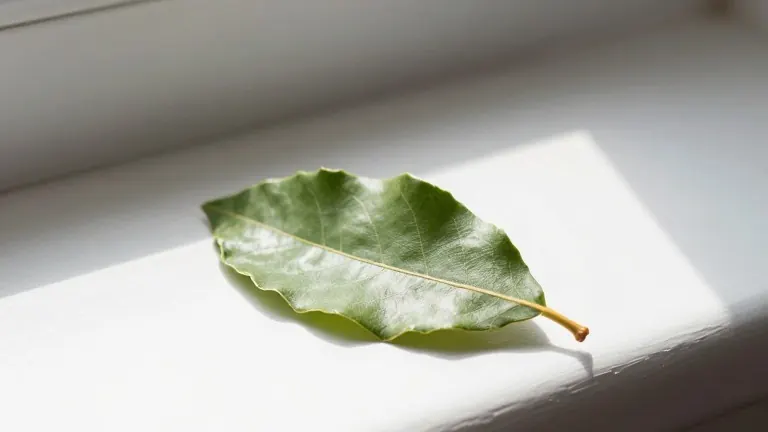
The practice of placing bay leaves in windows pits two different value systems against each other: the empirical need for pest control and the spiritual desire for energetic harmony. While modern households often rely on chemical sprays and electronic devices to manage insects and air quality, ancient Chinese traditions suggest a single, low-cost object can address both problems simultaneously. The bay leaf, known for its rigid texture and pungent scent, sits at the intersection of these two worlds, offering a tangible item with both physical and metaphysical utility.
The physical benefits of the bay leaf are rooted in its chemical composition. The leaves measure between three and nine centimeters in length and release essential oils that many insects find unpleasant. Practitioners note that the strong aroma acts as a natural deterrent for flies, cockroaches, and mosquitoes. This provides an ecological alternative to synthetic repellents, allowing the leaf to keep pests away while releasing a fresh scent into the room. The plant has long been used in kitchens for flavoring and in medicine for infusions, but its role as a passive air purifier and pest barrier is gaining attention in domestic spaces.
From a Feng Shui perspective, the leaf serves a more abstract function. This Chinese discipline focuses on arranging physical elements to allow Chi, or energy, to flow freely through a space. In this framework, windows are considered primary channels for energy entry. Placing a bay leaf in the window is described as an ancestral practice that turns the opening into a filter. The leaf is viewed as a sacred symbol that represents protection, wisdom, and prosperity, blocking negative forces such as envy and tension from entering the home.
The dual nature of the leaf allows it to function in both secular and spiritual contexts. For those who do not practice Feng Shui, the leaf is a simple aromatic plant that improves air quality and repels bugs. For practitioners, it is a tool for manifesting abundance and success by positioning it at the entry point of the home. The leaf does not require special care or watering, making it a low-maintenance addition to any interior. Its presence is static, relying on its natural oils and symbolic weight to perform its tasks.
The trend has gained traction recently, with more homeowners adopting the practice for its simplicity. The leaf acts as a passive filter, requiring no electricity or moving parts. Whether viewed as a biological repellent or a spiritual anchor, the bay leaf offers a specific, actionable step for modifying the immediate environment. The object remains a piece of the bay tree, but its placement transforms its function from culinary seasoning to atmospheric tool.