Energy Equity: The New Push to Make AI Data Centers Pay Local Communities
The administration is urging AI infrastructure builders to share excess power and financial benefits with nearby residents to ease local opposition and lower utility bills.
By Amelia Gupta ·
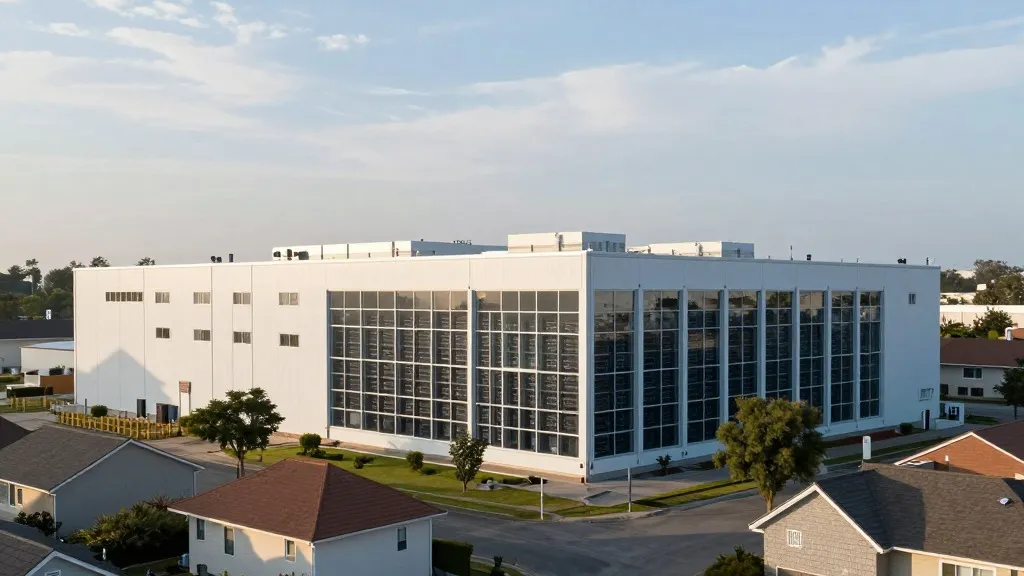
The administration has issued a new directive calling for artificial intelligence data center developers to provide a tangible benefit to the local communities where they operate. This move, announced by President Donald Trump on Truth Social, frames the requirement as a "dividend" that these massive facilities must pay to their neighbors. The goal is to offset rising energy costs and, in some cases, lower them, thereby making the presence of these large-scale infrastructure projects more acceptable to residents who have often protested their arrival.
The announcement suggests that data centers will not only be required to generate their own electricity, a policy previously outlined by the White House, but also to return any surplus power to the local grid. By selling or giving back this excess energy, the administration hopes to create a direct financial link between the data centers and the households nearby. This approach is designed to transform data centers from sources of community friction into partners in local economic stability.
To understand the current push, it is helpful to look at the timeline of tensions that led to this proposal. For years, communities across the United States have pushed back against the rapid expansion of AI data centers. These facilities have been criticized for their significant environmental and social footprint, including increased noise pollution, air quality issues, and strain on local water supplies. In many small towns, the arrival of these centers has been met with resistance due to the fear that residents would bear the cost of the infrastructure in the form of higher utility rates and local tax burdens.
The administration’s strategy is twofold: it aims to maintain the United States’ competitive edge in the global AI race against China while simultaneously winning back public favor. By mandating that these companies provide a financial or energy dividend, the government is attempting to address the primary pain point for locals: electricity costs. A recently passed act already requires data centers to cover the costs of grid upgrades, preventing those expenses from being passed on to local taxpayers. The new dividend proposal builds on this by suggesting that the excess power generated by data centers could directly reduce the utility bills of nearby residents.
President Trump emphasized the importance of these financial arrangements in his social media post, noting that data centers which were initially unpopular in certain areas have become popular once a financial deal was struck. He urged developers to "MAKE DEALS, and get them built!!!" indicating that the administration views these community agreements as a critical step in accelerating the construction of new AI infrastructure. The underlying logic is that if local residents see a direct monetary or energy benefit, they are more likely to support new projects rather than oppose them.
However, the practical implementation of this mandate remains to be seen. While the idea of an energy dividend is straightforward in theory, the reality of data center power generation is complex. Currently, many of these facilities rely on short-term power solutions, such as gas-powered generators, to meet their immediate demands. These generators are often noisy and less efficient than conventional power plants, which raises questions about whether the excess energy they produce is truly a net positive for the local environment and community health.
The concept of a "dividend" also introduces interesting economic questions. Traditionally, dividends are paid by companies when they are profitable. Given the massive upfront construction costs of new data centers, it may take some time before these facilities reach a point where they are generating significant surplus revenue or excess power that can be easily shared. This timeline mismatch could be a hurdle in making the dividend a consistent and reliable benefit for local communities in the near term.
Despite these challenges, the administration is keen to move forward with the initiative. The hope is that by tying the success of AI infrastructure to the well-being of local neighborhoods, the government can smooth the path for future builds. Whether this financial incentive will be enough to overcome other concerns, such as water consumption and ecological impact, is still an open question. The coming months will likely reveal how seriously developers take this directive and how effectively they can integrate these community benefits into their operational models.