Amazon Scraps AI Data Center Plans in Loudoun County for Homes
Following intense local opposition, Amazon is converting a major Northern Virginia site from server hubs into residential and community spaces.
By Javier Sanders ·
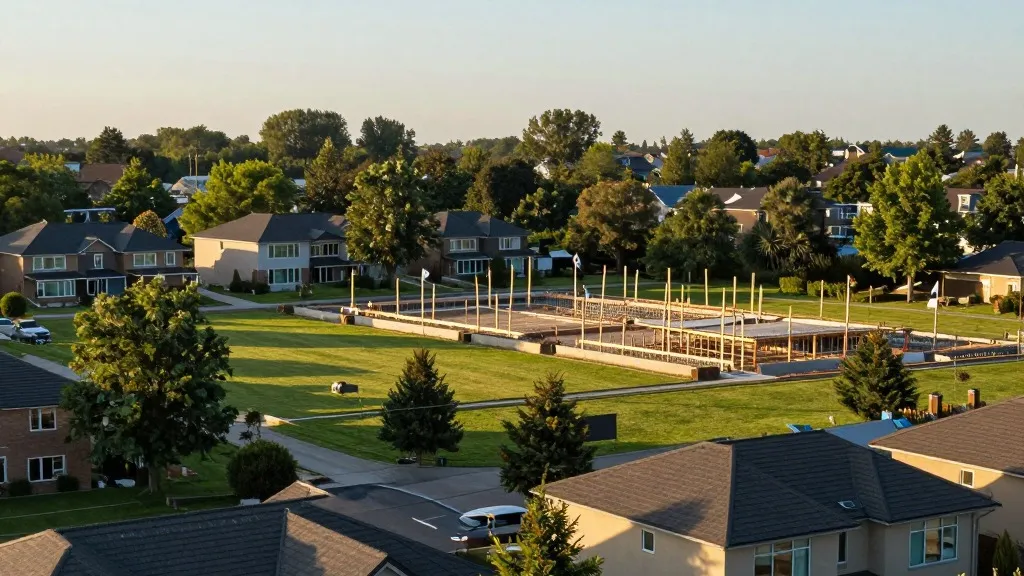
Residents in Loudoun County will soon see a different future for a stretch of land just outside Washington, D.C. The four massive data center facilities that Amazon planned to build there are no longer happening. Instead, the majority of the 122-acre site will be transformed into mixed-use and residential development. This shift means the area will host homes and community spaces rather than the humming servers that process artificial intelligence workloads.
The change is a significant reversal for the tech giant. Amazon had originally proposed the project in July. The site is the former campus of George Washington University. It sits in a region already known as "Data Center Alley" due to the high concentration of server facilities in the area. However, local pushback forced a rethink of the project’s scope and purpose.
Amazon has agreed to donate 25 acres of the property to Loudoun County. These lands will be used to build a community arts center and a new recreational facility. Additionally, the company will provide $5 million to the county’s fund for housing. These commitments aim to address the specific concerns raised by neighbors who opposed the original plan.
The primary drivers of the local opposition were noise and energy consumption. Residents were wary of the constant operation of the cooling systems and the massive power draw required to keep the data centers running. The county’s approach to new buildouts has shifted recently in response to these valid concerns. In September, Phyllis J. Randall, the chair of the Loudoun County Board of Supervisors, met with Amazon representatives. During this meeting, the county suggested that the land might be better suited for alternative uses.
Josh Weissman, Amazon’s vice president in charge of data center development, explained the company’s reasoning in a statement. He noted that Amazon was eager to purchase the former university campus when the opportunity arose. However, the company carefully considered the county’s pointed concerns about development at this specific site. Weissman stated that while Amazon saw the property’s legal development potential differently than the county did, they concluded that a shared vision was the best outcome for all parties. This approach avoided the potential for costly litigation.
This decision highlights the growing tension between tech infrastructure needs and local community preferences. The demand for data centers has surged due to the rapid expansion of AI services. These facilities are necessary for cloud storage and processing, but their physical footprint is large. Local communities are increasingly wary of the impact these mammoth facilities have on their neighborhoods, including potential spikes in electricity prices.
Broader policy discussions are also influencing these decisions. Just days before this news broke, President Donald Trump called for data center builders and AI hyperscalers to pay local communities a dividend. This is in response to energy-related price increases. In a social media post, the President suggested that data centers should be required to generate their own electricity and sell excess power back to the local community. Water shortages and deforestation have also become key issues in areas hosting these facilities.
Loudoun County officials emphasized the value of negotiation. Randall stated that by choosing dialogue over reflexive disagreement, the county and Amazon created an opportunity. She noted that the agreement provides new places for residents to gather, create, and play. Most importantly, she said, the project will provide more attainable homes for working families.
For now, the site will move forward with its new purpose. The transition from a proposed data hub to a residential and community zone represents a compromise. It reflects a growing trend where local stakeholders have significant influence over the placement of critical digital infrastructure in the Pacific Northwest and beyond.