Metrolink Cuts Hit Five Counties
Service reductions begin November 16 following Orange County’s reduction in operating support, affecting commuter options and regional infrastructure.
By Javier Sanders ·
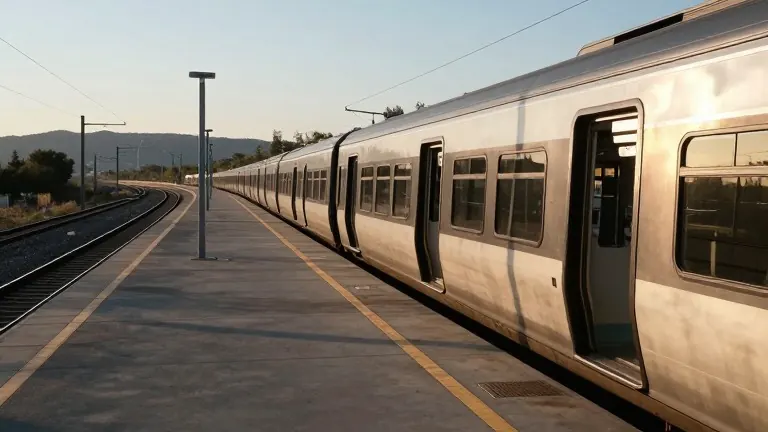
Metrolink will reduce service levels in five Southern California counties beginning November 16.
The agency plans to cut weekday service by 22 percent on the Inland Empire and Orange County line, 14 percent on the 91 and Perris Valley Line, and 36 percent on the San Bernardino Line. These reductions follow a decision by Orange County in early 2026 to lower its operating support for the rail system. Metrolink lacks a dedicated funding source and relies on contributions from its five member counties, a cooperation structure that is currently strained.
The Pacific Surfliner, an express service on the same corridor, does not fully replace the lost Metrolink capacity. The Surfliner stops at only four stations in Orange County: San Clemente, San Juan Capistrano, Dana Point, and Mission Beach. It does not serve Buena Park, Orange, Tustin, or Laguna Niguel. Tustin is a major transfer point for OCTA local and rapid bus lines, making the Metrolink cuts a specific disruption for commuters who rely on that connection. Riders from communities like Tustin and Laguna Niguel would need to travel to a further station to board the Surfliner, reducing flexibility for daily travel.
Infrastructure delays in the LOSSAN corridor, managed by OCTA, have already caused service cancellations and delays. OCTA has not yet completed the Metrolink SCORE program or the track relocation near San Clemente, which is facing coastal erosion. These delays contribute to the current strain on the corridor. The Surfliner is currently the busiest rail service in the United States outside the Northeast, and increased ridership from Metrolink users could further stress the system.
Approximately 300,000 Riverside residents commute to Los Angeles or Orange County for work, according to 2024 data from the California Employment Development Department. Reduced train service is expected to shift some of these commuters to cars, increasing traffic on the 91 and 5 freeways. Metrolink’s current funding arrangement is a joint powers agreement, which allows county commissions to make changes without input from other member agencies. This structure leads to annual budget uncertainty and delays in decision-making.
Short-term solutions involve pressing counties to restore funding to pre-March service levels, when cuts first began for mechanical reasons. Long-term proposals include governance reform, such as merging regional rail agencies into a single independent authority. Cooper Crane, a PhD student at the University of California Riverside, notes that the current joint powers agreement is an inflexible model for an interdependent metropolitan area. A new regional authority, similar to those in San Francisco or Illinois, could manage rail from a regional perspective rather than by individual county.