Energy Strikes: EU Ambassador Urges Media to Ignore War Fatigue
Katarína Mathernová cites 20 attacks on infrastructure in 24 hours as winter approaches.
By Amelia Gupta ·
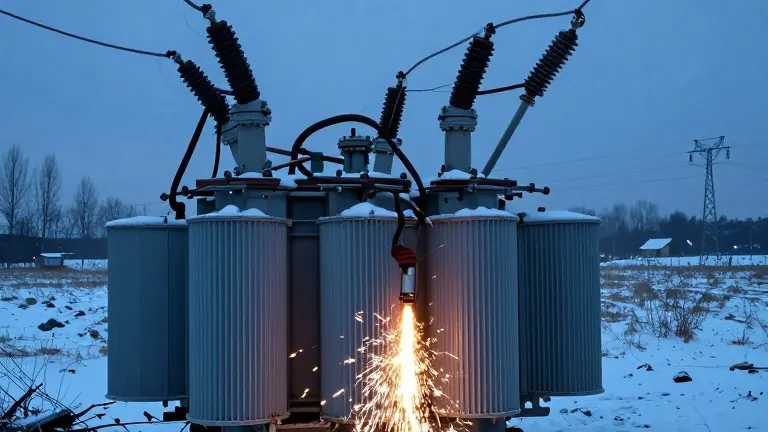
Russian forces executed more than 20 separate strikes on Ukraine's energy infrastructure in the past 24 hours, targeting facilities in 10 oblasts. Katarína Mathernová, the European Union ambassador to Ukraine, used this surge in violence to demand that international journalists maintain intense focus on the conflict. She argued that global media must not allow their attention to fade as the war enters a critical winter phase.
Mathernová supported a recent appeal from leading Ukrainian journalists. These local reporters asked their Western counterparts to keep the war in the public eye. The ambassador noted that international audiences are showing signs of war fatigue. She identified this shift in attention as a dangerous trend occurring just as Russia intensifies its campaign against civilian targets and power grids.
The escalation in attacks has occurred with increased frequency in recent weeks. Russian military operations have targeted critical systems with a variety of weapons, including missiles, guided aerial bombs, and jet-powered drones. Mathernová stated that Ukraine requires the full attention of the democratic world. She argued this attention must translate into concrete actions, such as tougher sanctions and consistent support for Kyiv.
The diplomatic push for renewed engagement follows several high-profile incidents. On November 2, a Russian aerial bomb struck a school in Komyshuvakha, Zaporizhzhia Oblast. The building was being used to distribute humanitarian aid. Alain Berset, the Secretary General of the Council of Europe, expressed solidarity with Ukraine following this attack. Kaja Kallas, the EU foreign policy chief, separately condemned a Russian strike on a railway station in Dnipro. Kallas called for a Special Tribunal to hold those responsible for the aggression accountable.
Mathernová emphasized the human cost of the conflict as winter sets in. She described war fatigue as a luxury Ukraine cannot afford while children face the cold due to infrastructure damage. Civilians continue to lose their lives while defending shared European values. The ambassador's call to action aligns with broader diplomatic efforts to keep the conflict a priority on the global stage.
The next phase of the conflict will test the resilience of Ukraine's power grid as temperatures drop. Russian forces have shown a willingness to use advanced munitions to degrade critical systems. The international community faces a decision on how to respond to the sustained pressure on civilian infrastructure. Mathernová’s appeal puts the onus on media organizations to drive that response by maintaining consistent coverage of the events on the ground.