Digital Gatekeeping: Greece Sets Date for Under-15 Social Media Ban
Greece becomes one of the first EU nations to legally block under-15s from major social platforms, with enforcement beginning in early 2027.
By Amelia Gupta ·
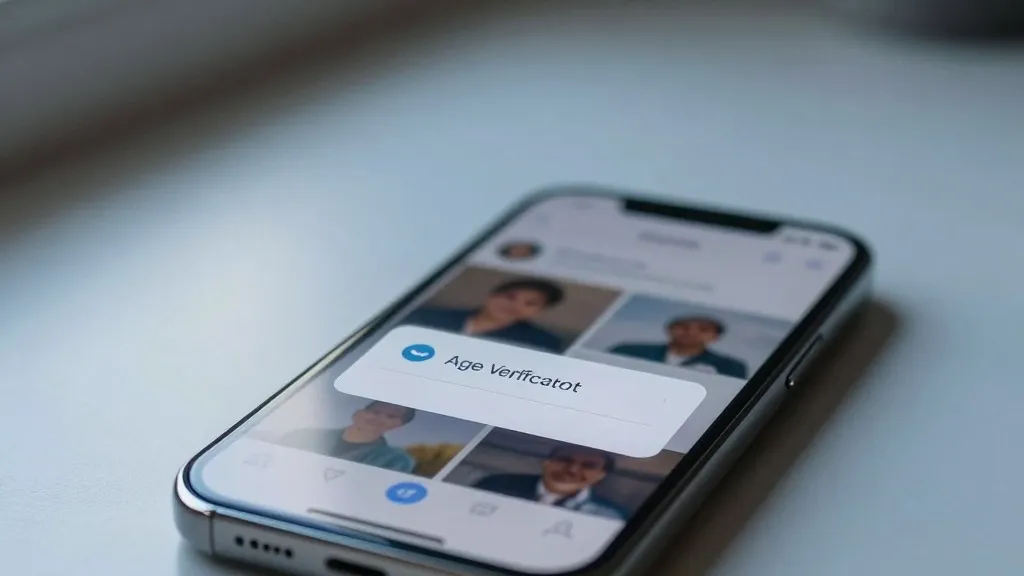
January 1, 2027, is the hard deadline for a sweeping new digital boundary in Europe, as Greek legislation officially prohibits children under the age of 15 from accessing major social media platforms. The law takes effect in just a few months, marking a significant shift in how the European Union approaches youth online safety. This measure is among the first of its kind in the EU, signaling a decisive move by Athens to regulate the digital landscape for minors.
The ban explicitly covers popular services including TikTok, Instagram, Facebook, and X. To enforce this, platforms are mandated to implement age-verification methods that are both proportionate and reliable. This requirement forces tech companies to move beyond simple self-declaration and adopt more robust systems to distinguish between adult and child users on their networks.
Compliance is not optional under the new framework. Platforms that fail to adhere to the act face fines under the EU’s Digital Services Act. Additionally, parents will be required to download state-backed applications, specifically Kids Wallet or Gov.gr, onto their children's devices. These apps are designed to block access to social media until the child reaches the eligible age, creating a parental control mechanism at the software level.
Privacy advocates and tech developers have focused on how this verification will work without exposing sensitive data. Dimitris Papastergiou, Greece’s digital governance and AI minister, explained that the state apps use "age tokens." These tokens allow the system to confirm a user's age while minimizing the amount of personal data disclosed, aiming to strike a balance between security and privacy. Papastergiou noted that doing nothing would have been easy, but he argued that a responsible government must act while "Children are sinking into the internet every day." The prime minister, Kyriakos Mitsotakis, who announced the measure earlier this year, described the bill as "difficult but necessary." He stated his government's goal is to "push the European Union in this direction as well," leveraging the new national law as a template for broader continental regulation.
The political path to this legislation was not without friction. Minority parties in the Greek parliament opposed the bill, but Prime Minister Mitsotakis utilized his majority government to push it through. The move follows a 2024 decision to ban mobile phones in schools, indicating a consistent governmental strategy to limit young people's digital exposure. Opinion polls suggest that the adult population in Greece widely supports this new social media ban, viewing it as a long-overdue correction to the current digital environment.
Greece joins a growing list of nations addressing the impact of social media on youth, though it is not the first. Australia previously enacted a full social media ban for kids, but that country has faced challenges in implementing effective age verification. Meanwhile, the European Commission has recently introduced the EU Kids Act, which proposes an outright ban only for children under 13. Greece’s decision to set the threshold at 15 places it at the forefront of this evolving regulatory debate, potentially influencing how other EU member states structure their own digital safety laws in the coming years.