Gardeners Weigh In: The Right Time to Apply Heavy Horticultural Oil
Experts clarify the distinct roles of summer and winter oils to combat hard-bodied scale insects and prevent plant damage.
By Allison Rojas ·
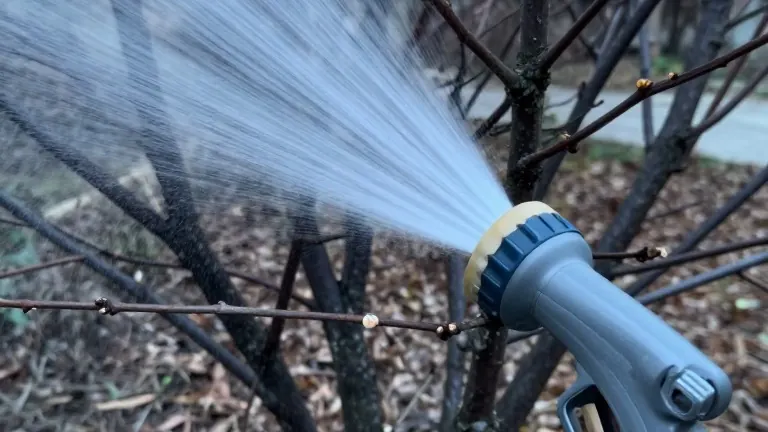
A persistent problem for many gardeners involves hard-bodied scale insects that resist standard removal methods. The solution lies in applying the correct type of horticultural oil at the precise time of year. Using the wrong viscosity can harm plants or fail to smother pests effectively.
Horticultural oil functions as a physical control agent rather than a chemical pesticide. It works by coating insects and their eggs, suffocating them and disrupting their exoskeletons. Because it is mechanical, pests do not build up resistance over time. The product is typically petroleum-based, though plant-based options like cottonseed, soybean, or neem oil also exist.
Winter oil, also called dormant oil, is the heavy option designed for late winter or very early spring application. It has a high viscosity that allows it to stay in place longer, making it effective against severe infestations of scale. Gardeners should apply it only when temperatures are cool but not freezing. Application must stop once bud break occurs, as the heavy oil can damage tender new growth.
Summer oil, or foliar oil, is a lighter product meant for a plant's active growth period. It evaporates quickly and is less likely to burn new leaves. This type is effective against soft-bodied pests such as aphids, mites, and active scale. It also helps prevent powdery mildew. Application should only occur when daytime temperatures are below 85 degrees Fahrenheit to avoid phytotoxic effects.
Preparation is key before applying winter oil for a severe scale problem. Remove all infested plant material and place it in the regular trash, not compost. Rake up fallen leaves and discard them or add them to a hot compost pile. Prune perennials hard to ensure the oil reaches hidden pests. Wait for daytime temperatures to drop below 85 degrees and nighttime temperatures to stay above 40 degrees before application.
Gardeners should monitor plants throughout the growing season for returning pests. If scale or mites reappear in spring or summer, a light application of summer oil can stop a small issue from becoming a large one.