Navajo voters reach polling places via tractor and amphibious vehicle after October flood
Three floods in one month damaged infrastructure in Dennehotso, requiring emergency road repairs and volunteer shuttles for the November 3 election.
By Javier Sanders ·
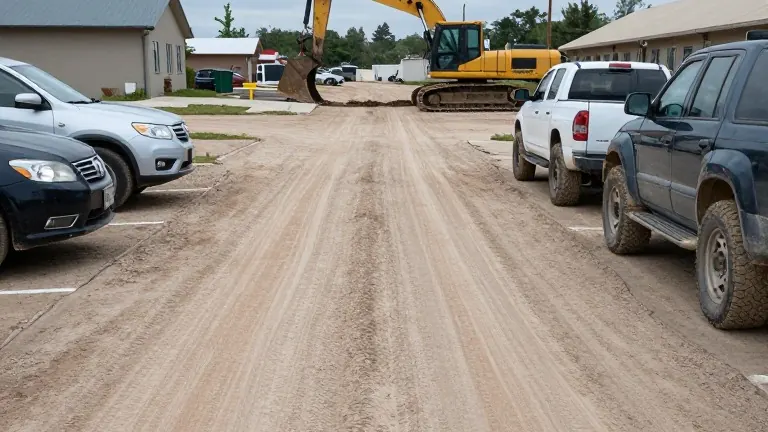
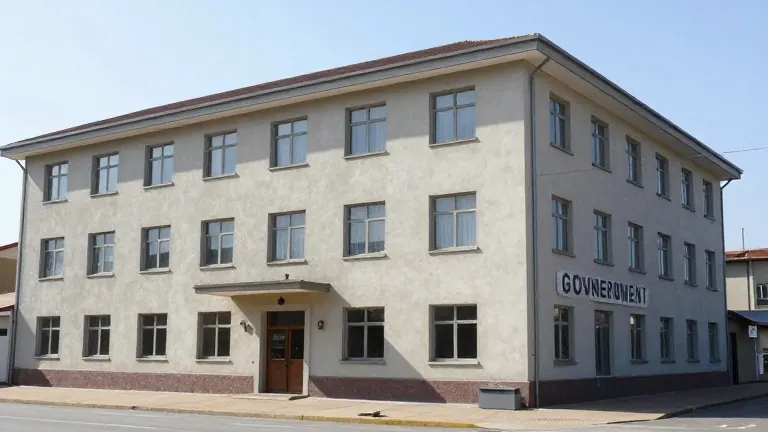
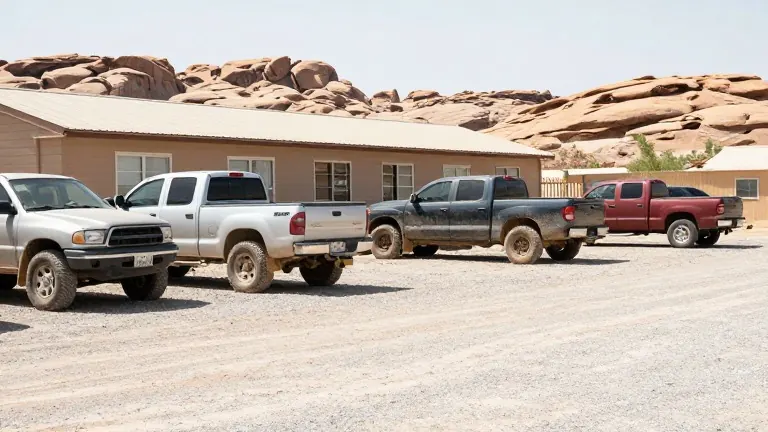
Voters in Dennehotso, New Mexico, arrived at the chapterhouse polling site on November 3 with mud-caked tires on their trucks. The town sits within the Navajo Reservation, a region spanning Arizona, Utah, and New Mexico that faced repeated flooding this fall. Residents had to travel farther than usual to cast ballots after roads washed out and displaced thousands of people from their homes.
The most destructive event began on October 22. Floodwaters originating from watersheds up to 60 miles away raced toward the community. Kev Woolboy, a local contractor helping coordinate the response, noted that man-made earth dams intended to slow the water failed due to the volume of rain. The surge damaged homes, newly built roads, and utility infrastructure, leaving parts of the town covered in thick mud.
Phyllis Yazzie, 74, was at home with her son when a niece warned her to evacuate. They attempted to drive out a dirt road but were forced to retreat to the highest point of their property. Water carved ravines on both sides of their house. Yazzie and her son spent the night in their vehicle while rescuers attempted to reach them.
Woolboy served as a guide for the Navajo Police Department during the rescue. He used an amphibious vehicle to transport children and elders to safety. As darkness fell and silt mixed with the water, visibility dropped to near zero. Woolboy signaled for the vehicle to stop when he noticed the road had disappeared. The team turned around and was unable to reach Yazzie that night.
By election day, two weeks later, a backhoe constructed a temporary road to connect isolated residents to the chapterhouse. Volunteer drivers and chapter employees also operated shuttles to ensure access. Some voters drove for hours to reach the polls. In the parking lot, attendees gathered to eat fry bread and mutton stew, a common practice at Navajo polling sites.
Vera Begay accompanied her 92-year-old mother, Lilien Begay, who lost her home and all identification documents in the flood. Begay stated her mother had never missed a vote in her life. The elder expressed emotional devastation in Navajo. Urbina Yazzie, 27, observed that people from different political backgrounds laughed and cried together at the polls. She noted that the difficulty of reaching the site made the act of voting feel more important to the community.
The November 3 election marked a return to normalcy for some residents. Despite the physical barriers, turnout remained steady. The temporary road and shuttle services facilitated access for those cut off from the main town center. Voters completed their ballots in a community that had spent the previous two weeks digging out debris and repairing flood damage.