Riverside's plan misses 3 of its own targets as homelessness review runs to February
City staff want to change how progress is measured after falling short on treatment acceptance, chronic homelessness and substance use goals.
By Allison Rojas ·
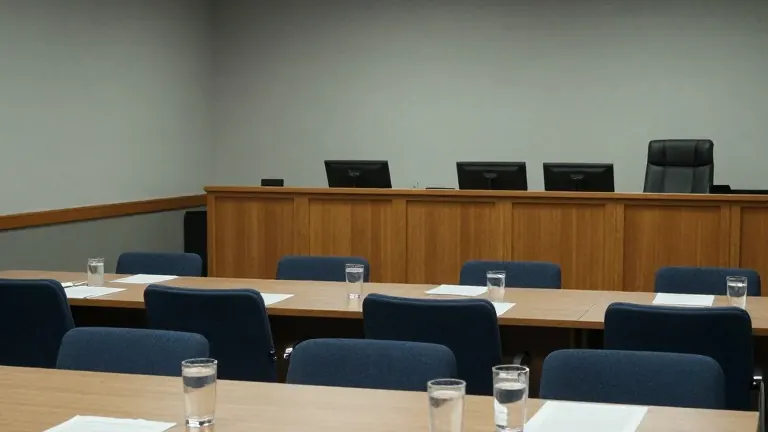
Three annual targets in Riverside's homelessness strategy went unmet, city staff reported to the Housing and Homelessness Committee on Oct. 26, as members pushed for more treatment capacity and more affordable housing.
The Homelessness Action Plan was adopted in 2022. Staff brought a progress review to the committee Monday, proposing new ways to measure whether the plan is working.
The three missed goals each called for a 5% shift: reducing homelessness among people experiencing chronic homelessness, reducing it among people struggling with substance abuse, and a 25% increase in acceptance of outreach services. Some objectives, staff said, lacked clear measures or relied on the point-in-time count, which is conducted every two years. The city did meet its goals on social work interns and on implementing CARE Court.
Committee member Sean Mill pushed for a treatment emphasis. "We can't consider success just simply offering housing and offering services," Mill said. "I continue to see people struggling with addiction and mental illness. We really need to do more about getting these folks into treatment." Housing and Human Services Director Michelle Davis said the city refers people to treatment through county behavioral health partners including the Arlington Recovery Center, but acceptance is rare.
Committee Chair Luis Hernandez asked whether outreach workers have enough housing options for people who cannot afford to live independently. "A lot of them don't see a way out of homelessness, even if they get assistance because of how expensive it is to find somewhere to live nowadays," Hernandez said. Mill said he is working on an inclusionary housing ordinance to address affordability, and Hernandez urged the city to use grants and other tools to encourage low-income housing.
Staff proposed six annual trainings, aligning the chronic homelessness target with the count schedule, and expanding an annual goal of 15 HOME Court referrals to cover CARE Court. Deputy Director Megan Stoye recommended dropping a target to increase successful street outreach placements by 25% annually, saying it did not specify where people would be placed or how they would get there.
Public commenters asked for more housing and raised concerns about belongings lost during encampment removals. Davis said belongings are stored at the access center and transportation is available to retrieve them. Committee member Clarissa Cervantes asked for closer attention to sober living capacity and conditions; Davis said an incoming deputy director will inventory facilities and work with the county on gaps in recovery housing. No formal vote was taken. The review is scheduled to continue through February, and recommendations will return as part of an update before City Council consideration.