RSF drones destroy five power stations in army-held eastern Sudan
Coordinated strikes on two plants in Al-Jazira, two in Gedaref, and one in White Nile leave residents without electricity and threaten medical supplies and crops.
By Javier Sanders ·
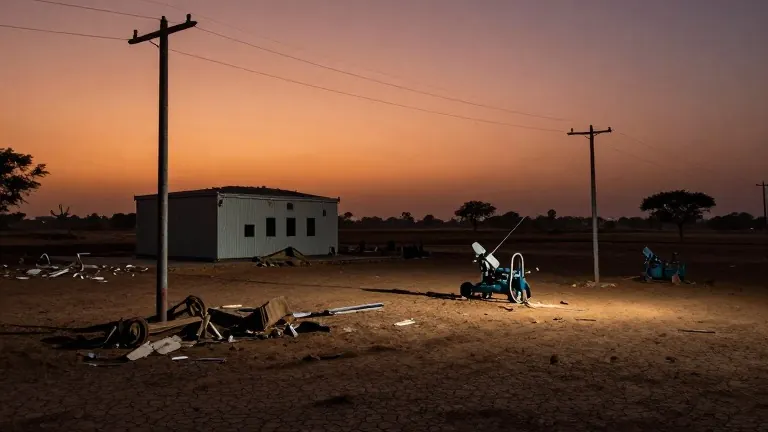
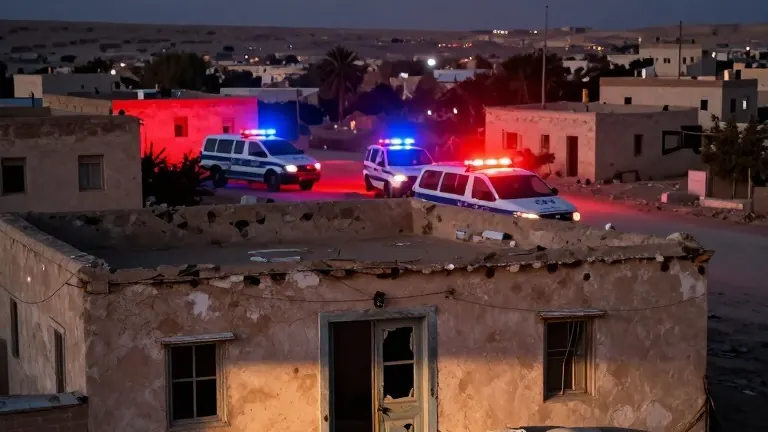
Rapid Support Forces (RSF) drones destroyed five power stations in eastern Sudan, causing widespread blackouts in three army-controlled states, a government official said on October 26. The attacks targeted two facilities each in Al-Jazira and Gedaref and one in White Nile state. The official, who spoke on condition of anonymity, confirmed that the strikes resulted in power outages across large parts of these regions.
All three states are held by the Sudanese army, which has fought the RSF since April 2023. The conflict has increasingly relied on drone warfare, with both sides launching sophisticated attacks that have killed dozens of civilians at a time. A United Nations tally shows that drone strikes killed more than 300 people and injured hundreds in the first three weeks of October.
Residents reported immediate and severe consequences for daily life. Babiker Youssef, a resident of Al-Fao in Gedaref, said the power had been out since early morning. His son is diabetic and requires refrigerated insulin. Youssef expressed fear that the medication would spoil before power could be restored, leaving him unable to replace it.
Agricultural production also suffered a setback. Abdelhafez Daafallah, a 54-year-old farmer in Al-Junaid, Al-Jazira, stated that the power station had been repaired just three months ago, offering hope that irrigation pumps would resume operation. He said the fresh destruction forced him back into a period of inactivity after nearly four years of being unable to work his land. Farmers in Al-Jazira have struggled to rehabilitate their fields since the army recaptured the state from the RSF last year.
Commercial losses compounded the disruption. Ibrahim Mohammed, a 37-year-old grocer in Gedaref, noted that the area had already experienced power cuts for hours before the strike. He said his shop now holds chicken stock that risks spoiling. He faced a choice between losing the entire inventory or selling it at a loss to prevent waste.
The United Nations has repeatedly warned that regular attacks on power infrastructure threaten health and services for millions of people. Sudan is currently facing the world’s largest hunger crisis. Aid workers estimate that the war, which has ravaged the nation of 50 million, has killed more than 200,000 people. The majority of the country’s hospitals have closed, and at least 8 million children are out of school.
Sudan’s economy remains under pressure, with a currency that lost more than 25% of its value in recent weeks. Inflation continues to rise as the country grapples with the financial fallout of the ongoing conflict.