Georgia hits record tourist numbers while protests enter second year
The country recorded over 5.5 million international visits in 2025, up 8.4% from the previous year, as demonstrations against the government continue.
By Javier Sanders ·
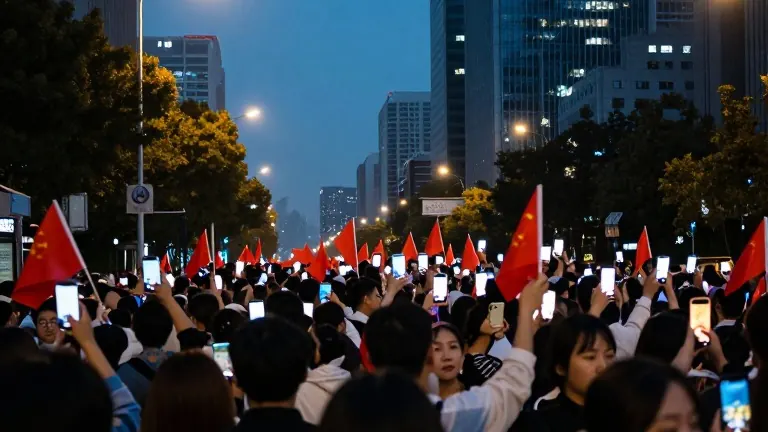
Monday marks the two-year anniversary of the parliamentary elections in Georgia that triggered the current political crisis. The contested vote took place on 26 October 2024. Protesters have gathered every Saturday since then, demanding that the Georgian Dream party reverse its decision to pause European Union accession talks.
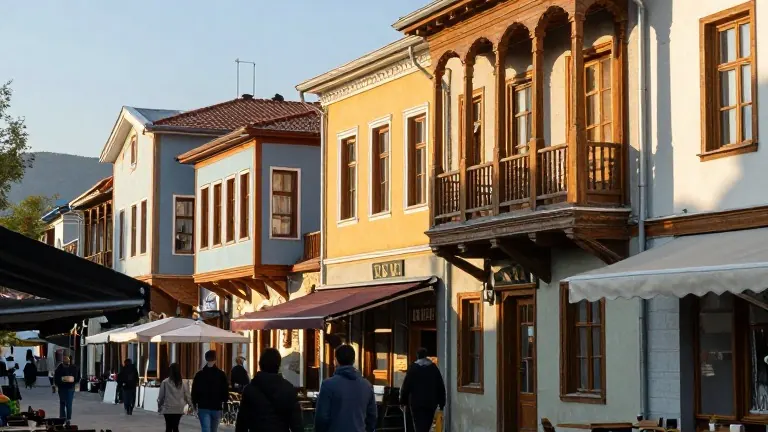
Despite the ongoing demonstrations, tourism in the country reached a new high. Data from the Georgian National Tourism Administration shows that more than 5.5 million international visitors arrived in 2025. This figure represents an 8.4% increase over 2024 levels. It is nearly ten times the number of visitors recorded two decades ago, which stood at approximately 560,000.
The surge in visitors includes large numbers of tourists from the Middle East and Russia. Since Russia’s full-scale invasion of Ukraine in 2022, tens of thousands of Russian citizens have moved to Georgia. These residents have opened businesses and purchased homes, exerting pressure on the local property market. This influx has caused friction among Georgians who still view Russia as an occupying force due to the 2008 war and the status of the breakaway regions of Abkhazia and South Ossetia.
The government led by Prime Minister Irakli Kobakhidze has maintained power despite the protests. The opposition argues that the party, founded by billionaire Bidzina Ivanishvili, has moved the country closer to Moscow. Ivanishvili served as prime minister from 2012 to 2013 and built his wealth in Russia during the 1990s. He renovated the Rustaveli theatre in Tbilisi two years ago, a project that symbolizes his influence on the capital’s cultural landscape.
The economy has shown strength despite the political standoff. Gross domestic product rose by 7.5% in 2025, marking the fifth consecutive year of expansion. However, the country still faces challenges such as unemployment, low wages, and poverty in rural areas. The nation, which gained independence from the Soviet Union in 1991, has a population of fewer than 4 million people and covers an area roughly the size of Ireland.
Geopolitical tensions complicate the domestic situation. The European Union has recently criticized Georgia’s record on rule of law and political repression. Meanwhile, Moscow remains a key economic partner through trade, tourism, remittances, and energy imports. The outcome of the war in Ukraine may influence how much pressure Russia can exert on the Caucasus region, a factor that adds another layer to Georgia’s current political uncertainty.