Tesla's New Robot Factory Has Hit Full Speed
The Fremont plant is now producing high-volume humanoid robots, with a new training system designed to help them learn without a massive fleet of existing units.
By Javier Sanders ·
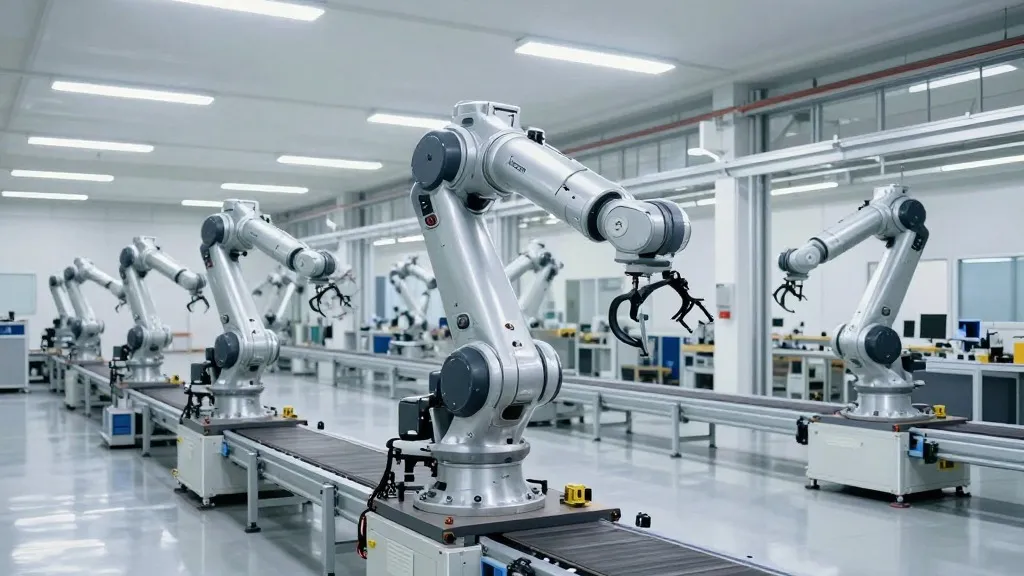
One million. That is the annual production capacity Tesla has set up inside its Fremont factory for its new humanoid robots, marking a significant shift in the company's manufacturing focus. This massive infrastructure change signals that the company is treating its robotic endeavors with the same logistical weight it has always applied to its automotive lineup, aiming to produce these machines at a scale previously reserved for cars.
The transition from vehicle production to robot assembly has been rapid. The space previously dedicated to building the Model S and Model X was cleared out in just 46 days this past spring to make room for the new line. According to the company’s latest shareholder letter, the robots rolling off this specific line are the first to meet the standard of a true production-quality product. This milestone confirms that the current manufacturing process is robust enough to support a commercial product, moving the project from experimental prototypes to a viable industrial output.
Elon Musk outlined the production strategy during Wednesday’s earnings call, describing the expected growth trajectory as a classic S-curve. While the initial phase involves a shallow slope in output, the long-term goal is to ramp up production to roughly 20,000 units per week. Musk noted that most of the equipment required to reach this high-volume capacity is already installed in Fremont, allowing the team to focus on refining the robot’s artificial intelligence, electromechanical design, and overall reliability. These improvements are slated for completion by the end of next year, at which point Tesla plans to begin delivering Optimus units to external companies for roles involving dangerous, repetitive, or around-the-clock tasks.
A unique challenge for the robot program is the lack of a large existing fleet to gather training data, unlike Tesla’s cars which benefit from millions of vehicles on the road. To solve this, the company is implementing a system called the Optimus Academy. In this setup, 10,000 to 20,000 robots will practice a wide variety of tasks, feeding their learned behaviors back into the next version of the AI model. Every unit produced on the Fremont line effectively becomes a data source for this continuous learning loop, ensuring that the software improves as the hardware scales.
Hardware upgrades are also on the horizon to support these improvements. Tesla plans to integrate its AI5 chip into the Optimus units next year, which is expected to enhance processing capabilities. Musk indicated that a new video demonstrating the robot completing tasks driven by this AI rather than preprogrammed motions should be released within the next one or two months. He emphasized that this autonomous capability is crucial, distinguishing it from rival humanoid demonstrations that rely on scripted routines which may not hold up in real-world conditions.
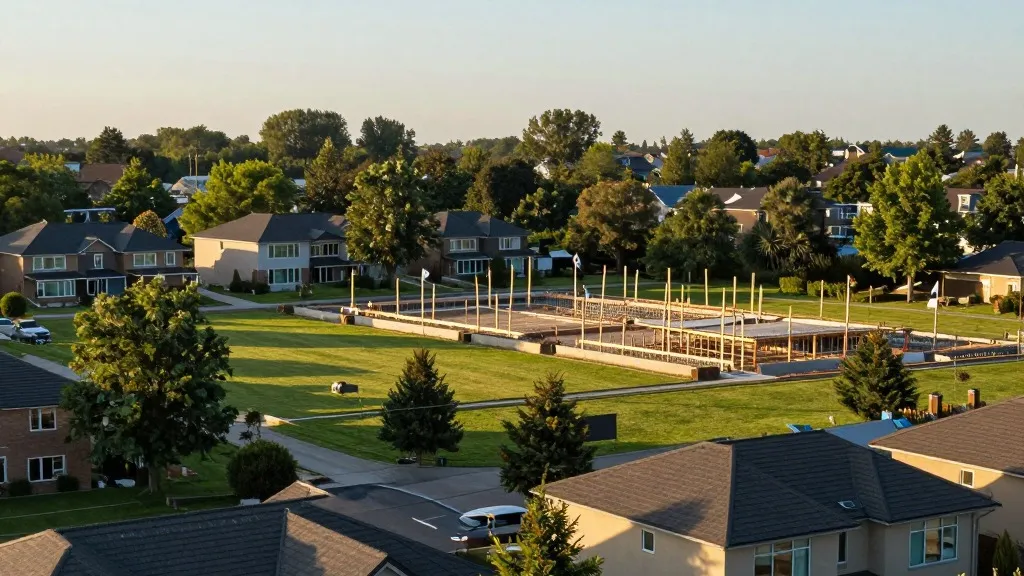
The supply chain is already aligning with these production goals. Last month, Tesla certified Tuopu, Joyson, and Sanhua as mass production partners for key components. Meanwhile, a much larger facility for Optimus production is taking shape at Giga Texas. Recent drone footage showed the steel frame of that plant nearing completion, with Musk pegging its long-term target at ten million robots per year, a figure that dwarfs the current Fremont capacity.
Cost efficiency remains a central part of the design philosophy. Executives stated that Optimus production costs are trending toward the expected manufacturing cost of the Cybercab, indicating that the robot is being engineered for volume from the start. However, the hands remain the most difficult part of the design to perfect. This component is where much of the current engineering effort is focused, as it is critical for the robot's ability to interact with and manipulate objects in the physical world.