Toxic Chemicals Detected in 1,666 Seized Counterfeit Hair and Beauty Items
Trading Standards found mercury, lead, and high concentrations of methanol in fake cosmetics, with 20% of young adults admitting to buying counterfeits last year.
By Amelia Gupta ·
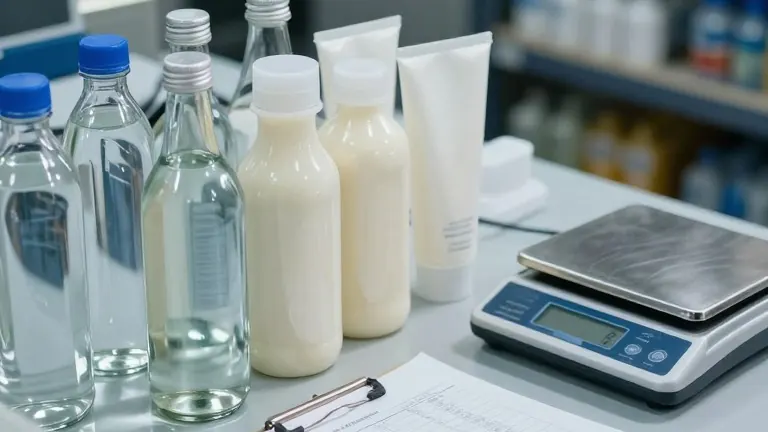
Mercury, lead, and methanol were identified in a batch of counterfeit beauty products seized by UK enforcement agencies.
Trading Standards reported that these harmful substances were found in fake cosmetics, skincare items, and perfumes across the country. The agency stated that counterfeit goods are now among its most frequently investigated items due to a rise in scammers selling copies of expensive brands.
Laboratory tests on a sample of 50 seized products revealed specific chemical concentrations. One skincare product contained 13,200 parts per million of mercury. High levels of lead were detected in lipstick, eyeshadow, and contour products. A counterfeit fragrance was composed of approximately 80% methanol, a toxic alcohol capable of causing serious poisoning. Tests also found nicotine in perfume samples.
The source of these purchases is increasingly online. Surveys conducted by Trading Standards indicated that nearly three in four people who bought counterfeit cosmetics and toiletries made those purchases on the internet. The Intellectual Property Office, or IPO, reported a sharp increase in intentional buying among younger consumers. Approximately 20% of 18- to 24-year-olds knowingly purchased counterfeit beauty products in the last year, up from 6% in 2023.
Recent enforcement actions have targeted production facilities and distribution hubs. In July, the Police Intellectual Property Crime Unit and Greater Manchester police seized 1,666 counterfeit hair products. This haul included hair extensions, shampoos, and conditioners. Separately, Trading Standards officers raided a commercial property in Bolton. They recovered goods valued at £2 million, including perfume, cosmetics, clothing, and vapes, from a production site.
Counterfeit products often bypass the health and safety testing and accurate ingredient labeling required of legitimate brands. This lack of oversight allows harmful substances to remain in products used daily. Rani Ghosh, an independent toxicologist, noted that while some reactions like irritation or swelling are visible, internal damage from substances like mercury and lead may not be immediately obvious. She explained that consumers cannot determine the chemical composition or manufacturing risks from the packaging alone.
Helen Barnham, head of enforcement engagement at the IPO, stated that these findings demonstrate the serious risks posed to consumers. She observed that while the packaging can look convincing, the products inside may contain dangerous substances and be made in unhygienic conditions. Barnham added that counterfeiters exploit the reputation of trusted brands while bypassing the rigorous safety standards that legitimate businesses maintain.
The IPO is launching a campaign titled Face the Fakes to address this issue. The initiative involves working with content creators and the beauty industry to inform consumers about the harms of counterfeit products. Millie Kendall, chief executive of the British Beauty Council, said the industry supports the campaign to help consumers buy beauty products with confidence. She noted that counterfeiters trade on the creativity and reputation of legitimate businesses without meeting the same standards of care.
The presence of these chemicals poses specific health risks. Mercury exposure through the skin can damage the kidneys and nervous system over time. Lead in makeup products can affect the brain, nervous system, and kidneys, with particular risks for children and pregnant individuals. The detection of these substances in everyday items underscores the gap between the visual appeal of fake goods and their chemical reality.
More Business · Consumer Watch · Report a business · Got a Story?