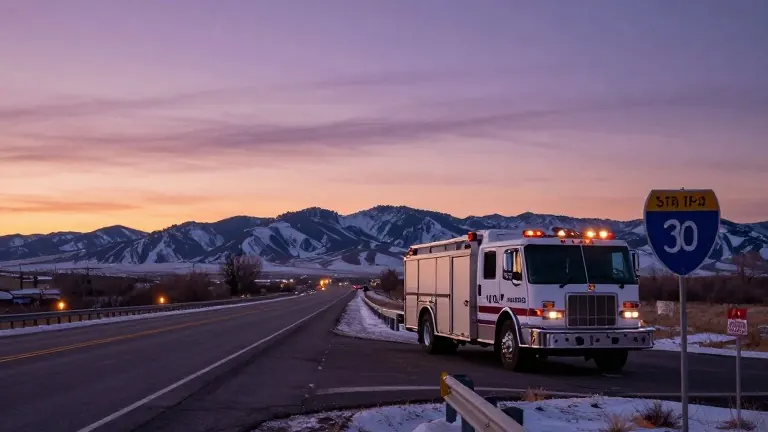
Yellowstone Bear Hazing: Photographer Criticizes Ranger for Scattering Wolves
A Wyoming photographer said a park technician used a nonlethal shotgun round to drive grizzlies and wolves away from an elk carcass, frustrating hundreds of visitors and a group of European tourists who arrived just after the animals fled.
By Javier Sanders ·
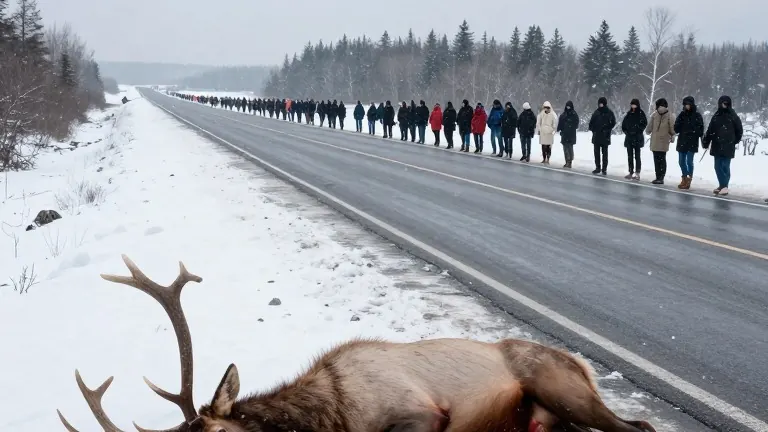
Tom Mangelsen, a wildlife photographer based in Wyoming, criticized a Yellowstone National Park ranger for using a nonlethal "cracker" shotgun round to haze grizzly bears and wolves away from the roadside on Wednesday. The incident occurred near Alum Creek and disrupted a gathering of over 100 people who had come to watch the predators feed on an elk carcass.
Mangelsen said the animals were drawn to the carcass, which lay about 175 yards from the highway. A large adult grizzly occupied the carcass while seven wolves moved nearby. He noted that the wolves were approaching the bear one by one, creating a scene he described as amazing to observe from a safe distance. The weather was poor, with high winds, 28-degree temperatures, and spitting snow, but the crowd remained.
The crowd included a group of seven European tourists who had traveled thousands of miles specifically to see wolves. They arrived at the location approximately two hours after the hazing had occurred. Mangelsen said he felt terrible for the tourists, who missed a rare opportunity to get a clear view of the pack.
One of the tourists, Arnaud Marchais from France, told reporters he was crestfallen to arrive and learn the wolves had been scared away. He said he had been informed that wolves were less than 200 yards from the road. Marchais said he could not sleep for two nights because of what he missed. He admitted that while he caught glimpses of wolves from a distance during his trip, he had not seen anything as spectacular as the group he missed.
Park officials stated that the hazing was necessary to protect visitors and wildlife. In an email, Park Service spokeswoman Linda Veress said a bear technician fired a cracker shell into the air, not at the bear, to move a subadult grizzly approximately 50 yards from visitors. Veress noted that a larger adult grizzly remained on the carcass about 163 yards away. The action was taken because the young bear got too close to the crowd.
Mangelsen disputed the distance, claiming the bear was circling at 100 yards and may have been as close as 85 yards at one point. He said he tried to plead with the ranger to let the bear stay because it was merely smelling the carcass and not interested in crossing the highway. The ranger fired two cracker shells from a 12-gauge shotgun, causing the young bear and all the wolves to flee. They did not return.
Julie Argyle, another avid Yellowstone wildlife photographer, supported the ranger's decision. She said park rangers should haze wolves or bears that get within 100 yards of roadways to protect both people and wildlife. Argyle noted that visitors often cause hazing by pressing too close to animals. She cited a recent incident where a bear was hazed because an elk carcass was only eight yards from the road, attracting the animal despite rangers removing it. Argyle said the Park Service cannot afford to make exceptions to the 100-yard rule given the risks of vehicles and mauling.
Mangelsen wrote in a text message that the hazing irritated him. He said, "All those people spending hundreds of thousands and traveling thousands of miles just to see a wolf only to have some asshole ruin it because he can!" He remained at the scene when the Europeans arrived to learn they had missed the wolves.