70 House Districts See Heavy Ad Spend Ahead of Nov. 3 Vote
Cook Political Report rates 220 seats as Democratic favorites, while ad data shows millions poured into competitive districts across the Midwest and South.
By Javier Sanders ·
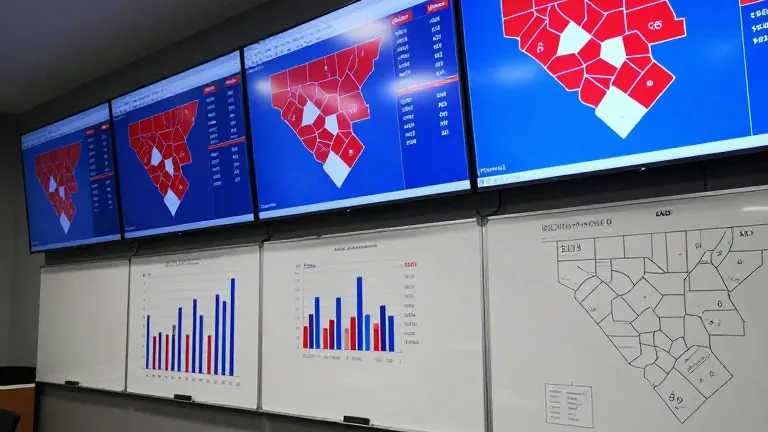
Seventy House districts are the primary battlegrounds for the 2026 midterm election, with both parties committing at least six figures in ad spending to each race. This figure marks the core of the final competitive landscape as the November 3 vote approaches. The intensity of these campaigns suggests the central question is no longer whether Democrats gain the House, but by how much.
Republicans hold a narrow 218-214 seat advantage currently. However, the latest ratings from the Cook Political Report list Democrats as the favored candidate in 220 seats. That count includes 17 races designated as toss-ups. An additional 30 seats are considered potentially competitive but lean toward the GOP. This shift aligns with a midterm environment that historically disadvantages the party in power.
The most expensive contests are occurring in swing states. Michigan's 7th District and North Carolina's 1st District each face more than $12 million in planned spending. Other high-cost races include Florida's 14th, 22nd, and 25th Districts, New York's 17th District, and Iowa's 2nd and 3rd Districts. These districts often feature recent redistricting or close presidential margins from 2024.
Ad spending data reveals a strategic pivot by Republicans. They have cut ad reservations in districts where the 2024 presidential winner differed from the House nominee. These include seats held by Democratic Reps. Adam Gray in California's 13th District, Nellie Pou in New Jersey's 9th District, and Marie Gluesenkamp-Perez in Washington's 3rd District. Retiring Republican Rep. Don Bacon of Nebraska's 2nd District is also in this group.
Voters are weighing economic concerns heavily in this cycle. The NPR/PBS News/Marist poll shows Democrats hold a 10-point advantage among registered voters and 8 points among likely voters on the generic congressional ballot. Rising gas prices, tariffs, and the ongoing war in Iran are key factors in these economic calculations. A record number of retirement announcements has also added to anti-incumbency sentiments.
Redistricting has altered the map significantly. Republicans shifted boundaries in states like Ohio, North Carolina, Alabama, and Florida to add conservative voters to districts held by Democrats. Marcy Kaptur, Don Davis, Shomari Figures, and Darren Soto are among those whose districts were redrawn. Only Figures and Soto currently reside in districts that favor Republicans, according to current ratings.
The 70 districts with six-figure ad spending from both parties voted for President Trump by an average of 9 points in 2024. This indicates the battleground is not just blue districts, but also leaning-red areas where party unpopularity is driving spending. Sixty districts are listed as priorities by both House campaign arms, reflecting the administration's impact on voter sentiment.