Judge throws out Trump's $10 billion suit over Epstein birthday card
A federal court ruled the revised complaint failed to prove the Wall Street Journal published the story with actual malice.
By Allison Rojas ·
President Donald Trump's $10 billion defamation lawsuit against The Wall Street Journal has been dismissed with prejudice by a federal judge in Florida. U.S. District Judge Darrin Gayles issued the ruling on October 31, 2026, ending the legal dispute over a birthday card Trump allegedly sent to Jeffrey Epstein in 2003.
The core of the legal failure was the standard of actual malice. Judge Gayles wrote that Trump did not plausibly allege that each defendant made defamatory statements with actual malice. Because this was the second attempt to file the claims, the court determined that dismissal with prejudice was the appropriate outcome, preventing the case from being refiled in the same form.
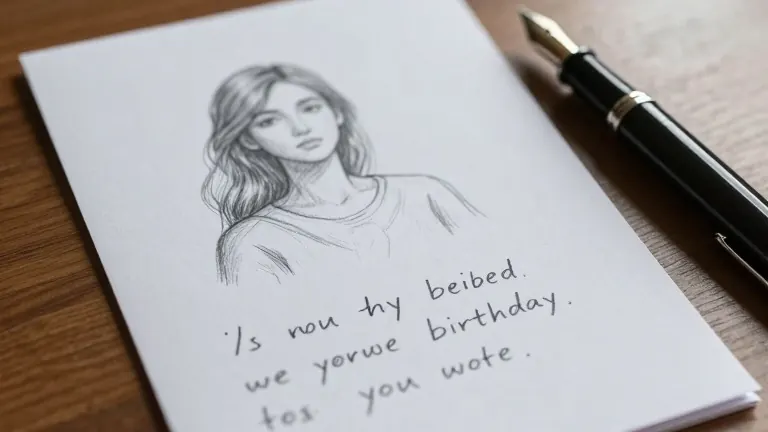
The litigation began in July 2026, shortly after the Journal published a report on a birthday book assembled by Ghislaine Maxwell for Epstein's 50th birthday. The report described a card in the collection featuring a hand-drawn outline of a naked woman. The drawing appeared to have Trump's first name signed in the pubic area, alongside a typewritten note depicting an imaginary conversation with Epstein.
Trump's legal team argued the writers falsely represented the facts and caused overwhelming financial and reputational harm. The suit accused the paper of making up the note because no authentic letter existed at the time of publication. It also criticized the Journal for not publishing an image of the card in the initial story, a point the White House maintained proved the document was a fake.
The Journal's attorneys countered that the story was substantially true because Epstein's estate later released a copy of the card matching the description. They argued that sending a bawdy letter to a friend is not inherently defamatory. The paper also noted that its reporters wrote to Maxwell, who is serving a 20-year prison sentence for sex trafficking, and included a comment from her attorney in the article.
In an interview with then-Deputy Attorney General Todd Blanche last year, Maxwell acknowledged assembling the book but said she could not remember if Trump contributed to it. The White House insists the signature on the card is not Trump's, noting it differs from his distinctive full signature.
Democrats compiled documents showing Trump signed his first name in similar handwriting over the year. These examples appear very similar to the signature on the disputed card. The court's decision stands as a final ruling on this specific amended complaint.