Port of Everett Loses $87 Million in Cleanup Funds Ahead of Weyerhaeuser Trial
The state rescinded grants for the Mill A site, citing a new prioritization process, while the port prepares for litigation over cost-sharing responsibilities.
By Javier Sanders ·
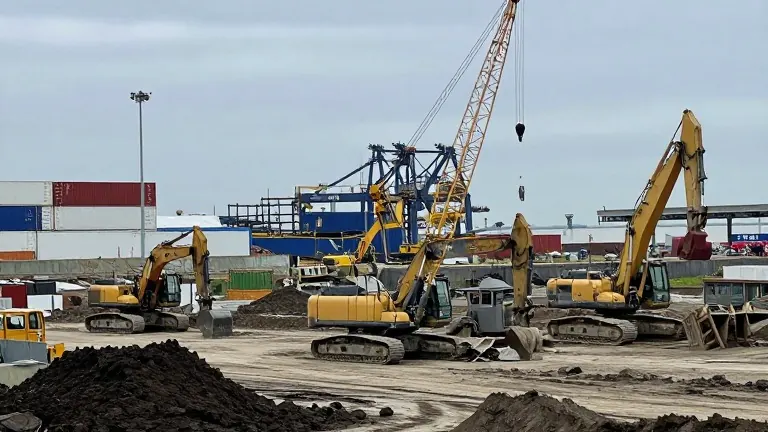
State environmental regulators have removed $87 million in current and future grant funding from the Port of Everett’s cleanup project for the former Mill A timber site.
The Department of Ecology made the decision in June, telling the port that high demand for remediation funds and limited state resources required a change in its review process for the 2027-2029 biennium.
Port CEO Lisa Lefeber said the funding cut effectively halted the project’s progress because the port had been waiting for matching funds from Weyerhaeuser, the former mill owner, which it no longer receives.
The Mill A site at 3500 Terminal Ave. hosted Weyerhaeuser sawmill and pulp mill operations in the early 20th century. Industrial waste from those decades left chemical contaminants in the marine sediments and upland soil, according to state records.
The port purchased the site in 1983 and used it for log handling until the mid-2000s. Lefeber stated that 50,000 truckloads of contaminated material remain at the site, with total cleanup costs estimated at $250 million.
Weyerhaeuser signed a cooperation agreement with the port in 2012 as part of an Agreed Order with Ecology. However, the timber company unilaterally canceled the cost-sharing agreement in 2018, leaving the port to advance the cleanup without the expected financial match.
In a letter dated June 26, Ecology denied the port’s request for $55 million for the 2027-29 period and reduced current 2023-25 funds. The department rescinded $32 million of the 2023 funding, leaving only $3 million for engineering design work. If the port does not meet a June 30, 2027 deadline, that remaining funding will lapse.
Lefeber argued that no changes occurred on the port’s side to justify the funding withdrawal. She noted that the port has not had matching funds since Weyerhaeuser canceled the agreement, yet Ecology had previously granted the port $57.7 million in Oversight Remedial Action Grant funding for the 2025-27 period.
Weyerhaeuser responded to the funding news by offering to pay $4.7 million in past unreimbursed remedial costs and committing up to $25 million toward future costs. Ecology called this offer highly relevant to its consideration of the port’s requests.
Despite the offer, Lefeber said the port lacks a clear mechanism to access those funds due to the pending lawsuit. The port is scheduled to begin a bench trial on November 9 to recoup recent costs and secure a judgment making Weyerhaeuser liable for its share of future expenses.
Ecology spokesperson Cheryl Ann Bishop said the department supports the project and that the port currently has $25 million in available state cleanup funds. The agency stated this amount is sufficient to sustain planned work, including design investigations and permit preparation, until construction can begin.
The department’s decision allowed it to prioritize 31 other shovel-ready projects for the next biennium. Ecology wrote that if the port uses the existing funds and makes progress, it would have top priority for a 2029-31 Remedial Action Grant.