NASA Panel Revisits Moon Landing Math, Citing 22 Launches
A new internal assessment suggests SpaceX must fly twenty-two Starship vehicles to support a lunar crew, a figure that challenges previous optimistic timelines.
By Amelia Gupta ·
NASA officials have long kept the exact number of rocket launches needed for a Moon landing under wraps. However, a new estimate has surfaced suggesting that twenty-two Starship flights are required to fuel a lunar lander. This figure emerged during the Aerospace Safety Advisory Panel's quarterly meeting, where members discussed the logistical hurdles facing the Artemis program. The revelation marks a significant shift from earlier, more optimistic projections that hinted at fewer flights.
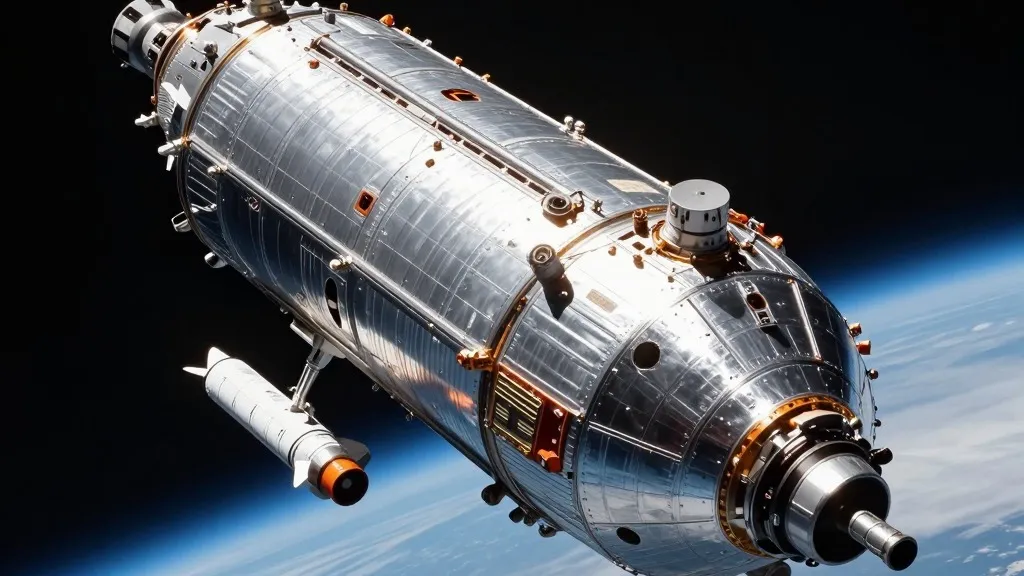
The core issue involves how SpaceX will deliver the massive amounts of propellant needed for a lunar mission. The plan relies on a 'depot' spacecraft parked in low-Earth orbit. This depot acts as a storage tank, waiting to be refueled by multiple 'tanker' Starships. Once full, the depot flies to the Moon to support the crewed lander. The number of tankers needed depends entirely on the capacity of each individual launch. If a single rocket can carry more fuel, fewer flights are required to fill the depot.
For years, NASA has been cautious about sharing these specific metrics. The agency has treated the data with a level of secrecy usually reserved for sensitive technical details. In 2023, Lisa Watson-Morgan, then-director of the Human Landing System, acknowledged the uncertainty to Ars Technica. She noted that while there was a general idea, she was reluctant to state the exact figure. This hesitation has persisted as the program has evolved and engineering challenges have mounted.
Recent estimates from various officials have fluctuated widely. Some described the requirement as being in the 'high single digits to the low double digits,' which would imply roughly a dozen launches. Others have pointed to the 'high teens.' These variations reflect the hope that SpaceX would significantly boost the lift capacity of the Starship vehicle. A more powerful rocket would naturally reduce the number of tanker flights needed to assemble the necessary fuel load for the journey to the Moon.
New concerns are now growing among certain NASA staff. There is a fear that the dramatic improvements in lift capacity may not materialize quickly enough. If the rocket does not become significantly more powerful in the near term, the number of required launches will remain high. This could limit the ability of the Starship system to play a meaningful role in returning humans to the Moon within the current decade, as part of the broader Artemis goals.
The discussion took place during a meeting on Thursday, where Charlie Precourt, a former NASA astronaut and panel member, addressed the risks associated with the program. His remarks highlighted the complexities of landing humans on the lunar surface. The panel's focus on these logistical details underscores the critical nature of the fueling strategy in low-Earth orbit.
The Artemis program aims to establish a sustainable presence on the Moon, but it relies heavily on commercial partners for heavy-lift capabilities. The interplay between NASA's requirements and SpaceX's engineering progress is central to this effort. As the program moves forward, the clarity of these launch numbers will be essential for planning future missions and managing public expectations.
The shift to a higher estimated launch count provides a clearer, albeit more demanding, picture of the infrastructure needed. It highlights the scale of operations required to send humans beyond Earth orbit. As the agency continues to refine its plans, the focus will remain on balancing technical feasibility with the tight timelines set for the Artemis era.