SpaceX declines three military contracts as Starship faces 22-tank hurdle
A major shift in commercial space strategy emerges as the company turns down government work while safety experts outline the complex fueling requirements for future lunar missions.
By Allison Rojas ·
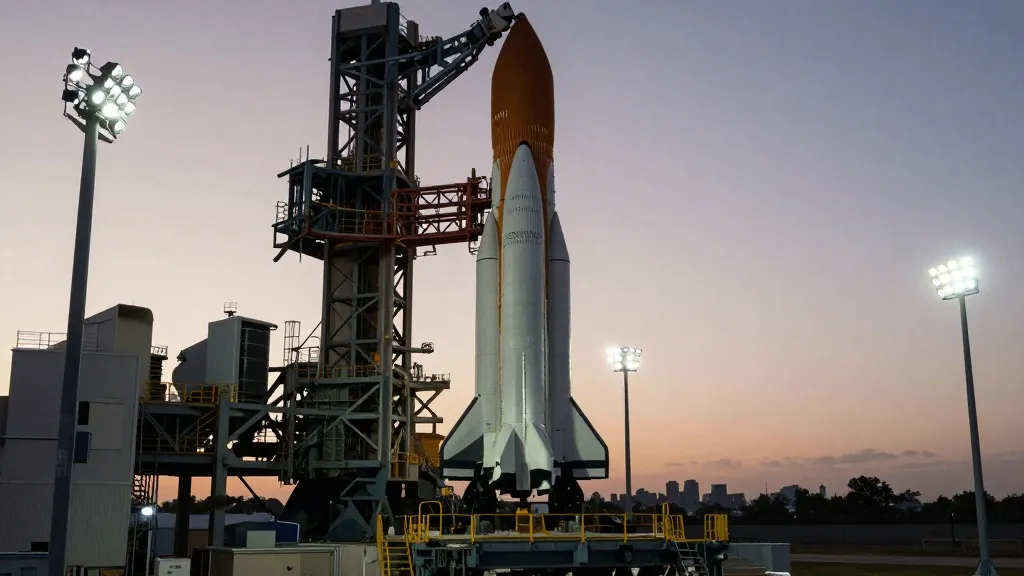
For those keeping a close eye on the trajectory of American spaceflight, this week brought a significant pivot in how one of the industry’s dominant players interacts with the government. The company has officially turned down three launch contracts offered by the US Space Force, signaling a strategic decision to prioritize its own civil space initiatives over additional military work. This move comes at a pivotal moment when the company is also grappling with the technical realities of its most ambitious vehicle, the Starship, which faces a rigorous fueling protocol for its intended lunar landing missions.
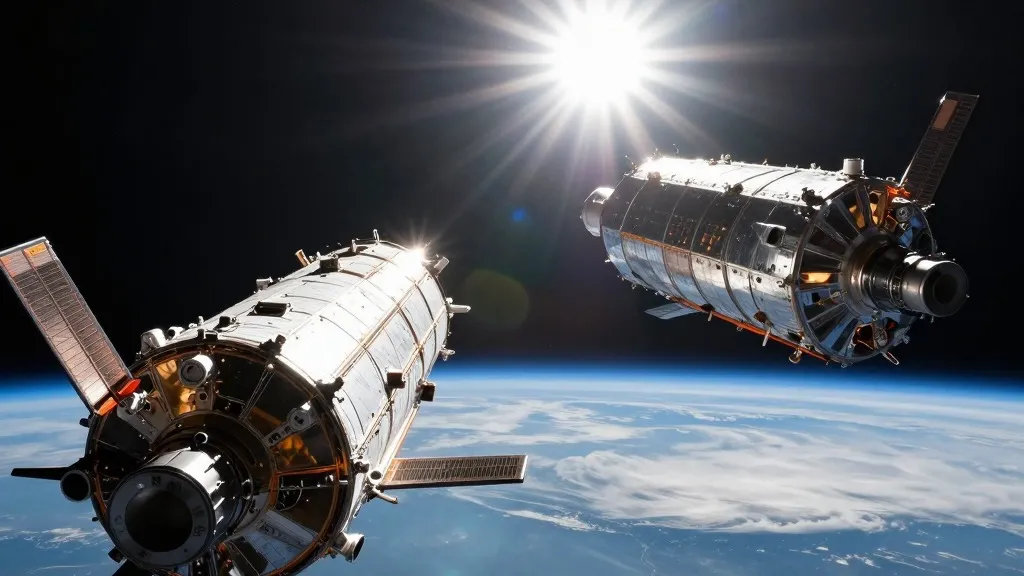
The numbers behind these developments paint a picture of both ambition and logistical complexity. A NASA safety panel indicated that the Starship rocket may require up to 22 separate refueling operations to support a single lunar landing. This high number underscores the intricate nature of the in-orbit refueling process that is central to the vehicle’s design. While the exact timeline for achieving this is still being refined, the requirement for such a high volume of fuel transfers highlights the engineering challenges that must be overcome before the rocket can reliably send humans to the Moon.
The decision to decline the military contracts was made clear in recent communications with the Space Force. By saying no to three specific opportunities, the company is effectively reshaping its portfolio of government work. This is not a rejection of the military sector entirely, but rather a calculated choice to focus resources where they see the most immediate progress. It suggests a shift in operational priorities that could influence how other commercial providers bid for future government contracts in the coming years.
On the international front, Spanish rocket maker PLD Space is making steady progress with its Miura 5 vehicle. The company reports that its small-lift rocket is nearing final integration, with a target for its inaugural flight set before mid-2027. CEO Raúl Torres noted that the production of three vehicles has allowed their teams to apply lessons learned from qualification campaigns directly to the launch vehicle. One second stage is currently undergoing system-level testing, including a static hot-fire test, at the company’s Teruel test facility.
Meanwhile, Canadian startup Reaction Dynamics is looking to expand its footprint significantly. The company is seeking to raise $350 million to grow its staff from 68 to more than 350 employees. This funding drive is aimed at supporting the development of its Aurora small-lift rocket, which is targeted to reach orbit in 2028. Reaction Dynamics has also announced plans for a medium-lift rocket named Borealis, with a debut scheduled by 2031, indicating a long-term strategy to compete in both the small and medium lift markets.
These developments collectively set the stage for the next phase of the commercial space race. As SpaceX navigates its relationship with the military and tackles the refueling challenges of Starship, competitors in Europe and Canada are working to solidify their positions. The coming months will likely reveal whether these strategic choices lead to accelerated timelines for lunar missions and a more diversified global launch market.