NASA Restructures Moon Landing Strategy, Resolves Orion Docking Hurdles
The agency has finalized a new architectural roadmap that simplifies spacecraft rendezvous protocols and confirms a target for crewed lunar surface operations in 2028.
By Amelia Gupta ·
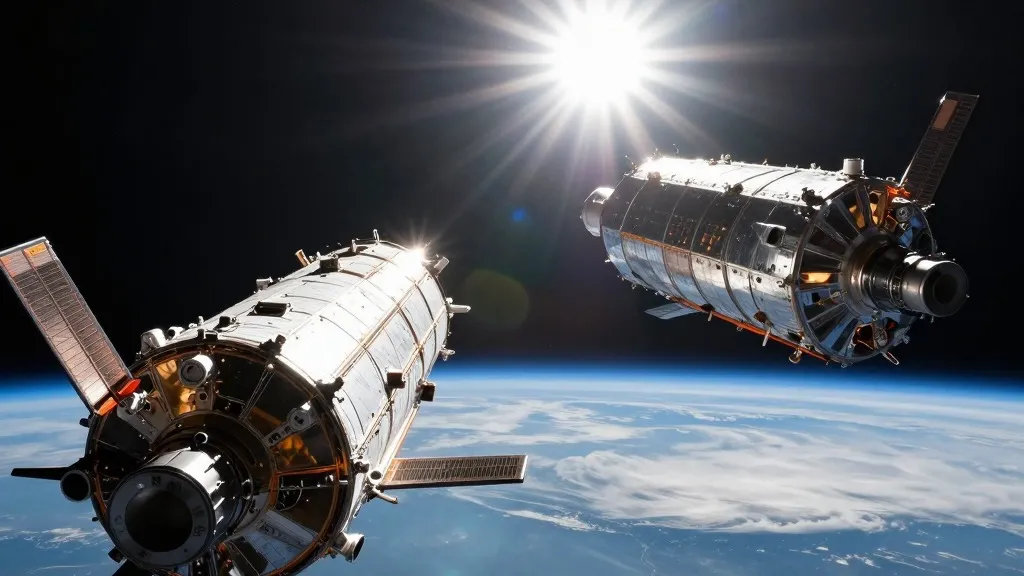
NASA has officially detailed its revised operational architecture for returning humans to the Moon, a move that resolves long-standing technical conflicts regarding the Orion spacecraft. During a comprehensive briefing held on Friday, agency leadership outlined a streamlined approach for the Artemis program, aiming to facilitate lunar landings as early as 2028. This announcement marks the first time the agency has publicly consolidated these specific structural changes, signaling a shift in how commercial partners will integrate their hardware with government systems.
The most significant modification involves the docking procedures for SpaceX’s Starship vehicle. Under the updated plan, the Orion spacecraft will now dock with the Starship lunar lander in high-Earth orbit prior to the transit to the Moon. This change addresses a major logistical challenge that previously complicated the mission design. For Blue Origin, the architecture specifies a four-launch campaign using the New Glenn rocket, eliminating the requirement for in-space refueling between spacecraft. The plan also allows for the Blue Moon lander to potentially rendezvous with Orion in low-Lunar orbit, offering additional flexibility in mission execution.
Officials indicated that the timeline for the Artemis III mission remains intact, with a target launch date in the summer of 2027. This specific mission is designed as a demonstration, involving docking maneuvers with both the Blue Moon and Starship vehicles in the vicinity of Earth. Following this test, the agency is tracking toward a 2028 launch for Artemis IV, which will involve the actual landing of astronauts on the lunar surface. These dates reflect the current expectations of NASA’s management regarding the readiness of both commercial partners and government infrastructure.
NASA Administrator Jared Isaacman emphasized the feasibility of the current trajectory during the presentation. “This is an achievable path we are on right now,” Isaacman stated. He noted that the agency possesses the necessary mandate, resources, and stakeholder support to execute the plan. The administration’s confidence appears rooted in a recent thorough review of every element within the Artemis program, aimed at identifying areas where adjustments could accelerate partner execution.
The restructuring of the docking protocols directly addresses key engineering requests made by SpaceX in early 2026. The primary concern for SpaceX engineers had been the requirement to dock with Orion in a near-rectilinear halo orbit around the Moon. This specific orbital path demanded higher energy expenditure and presented additional technical difficulties. The recent cancellation of the Lunar Gateway project earlier this year inadvertently solved this problem by altering the overall mission geometry, thereby removing the most complex docking scenario from the SpaceX requirement set.
By simplifying the architecture, NASA aims to reduce the burden on its commercial partners while maintaining aggressive timelines. The decision to move the Starship docking to high-Earth orbit aligns with the capabilities currently being developed by SpaceX, while the Blue Origin plan focuses on a direct launch sequence without complex propellant transfer operations. These changes represent a departure from previous, more complex interplay between the Orion capsule and the landers, prioritizing operational efficiency and reduced risk.
The agency’s willingness to adapt its plans in response to commercial feedback suggests a more agile management style for the lunar program. While the dates for 2027 and 2028 remain ambitious, the removal of technical bottlenecks such as the halo orbit docking requirement provides a clearer path forward. The next phase will involve rigorous testing of these new docking protocols to ensure they are robust enough for crewed flight.
Market observers will likely focus on how these architectural changes impact the cost and schedule of the commercial landers. The elimination of certain in-space refueling requirements for Blue Origin and the simplified docking for SpaceX could influence the final cost structure of these missions. As NASA proceeds with its 2027 demonstration mission, the success of these initial steps will be critical in validating the new approach for the 2028 surface landing.
The updated strategy reflects a broader trend in space policy toward leveraging commercial expertise to solve complex engineering problems. By acknowledging and implementing changes that address specific partner concerns, NASA hopes to de-risk the program and maintain momentum toward its goal of sustainable lunar presence. The coming months will test whether the agency can maintain this optimized schedule as it moves toward the critical Artemis III and IV milestones.
More Business · Consumer Watch · Report a business · Got a Story?