Netanyahu's bloc loses majority, leaving coalition path unclear
Arab-led parties won 19 seats in Tuesday's vote, creating a historic opportunity for opposition leaders to form a government with fewer than 61 seats.
By Allison Rojas ·
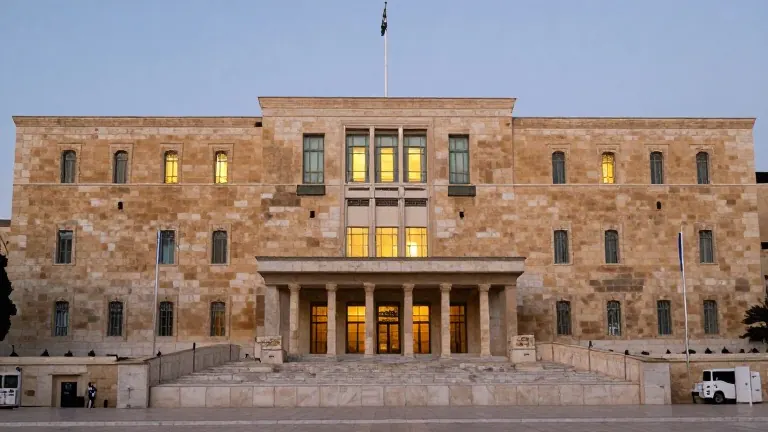
Israel’s final election results confirmed that Prime Minister Benjamin Netanyahu and his allies lost their parliamentary majority, setting the stage for complex coalition talks. The official count released early Friday showed Netanyahu’s bloc securing 53 seats in the 120-member Knesset. The main opposition bloc won 48 seats, while Arab-led parties captured the remaining 19, a historic performance for those groups.
Netanyahu remains in office for now, but his position is precarious. His main rivals likely need to partner with Arab-led parties to reach the 61 seats required to form a government. That path faces immediate resistance from Avigdor Lieberman, the leader of the right-wing Yisrael Beitenu party. Lieberman posted on social media on Friday that his faction would not partner with Arab parties, which he labeled "supporters of terrorism." His party won seven seats.
The election results must be certified and submitted to President Isaac Herzog next Wednesday. Once that process is complete, Herzog will task an individual with forming the new government. That person could be Netanyahu, the leader of the party that received the most votes, or another figure deemed best suited by party leaders. If multiple attempts to form a government fail, Israel faces a new election early next year. Herzog said this week he would work to avoid that scenario.
Tensions rose in the hours before the final results were announced. Netanyahu and his Likud party amplified allegations that Arab-led parties had "stolen" the election with foreign assistance. The opposition accused Netanyahu of demonizing Arab citizens, who make up 20% of the population. Supreme Court Justice Noam Sohlberg, head of the election committee, told the Shin Bet security agency to investigate "serious suspicions" of foreign interference. He noted that the claims could not be verified but required a review. Israeli media reported that members of Netanyahu’s party accused Qatar of involvement, an allegation the Gulf state dismissed as "ridiculous and dangerous."
Acting Director General Dean Livne of the election commission stated that the investigation was based on classified intelligence. He warned that reports about the investigation had been "entirely unfounded" and did not affect the final results. The Shin Bet said its investigation was not meant to "cast aspersions" on any section of the population that voted in a democratic manner. The committee wants findings from the Shin Bet within a week.
The new Knesset is expected to be sworn in on Nov. 10. Once it convenes, Gadi Eisenkot’s opposition bloc could join forces with Arab parties to elect a new Knesset speaker. That move would give the opposition control over the parliamentary agenda and the ability to advance legislation before a new government is formed. Netanyahu has suggested it would be treasonous for Eisenkot to join with Arab parties.
Arab party leaders have condemned Hamas’ Oct. 7, 2023, attack but have declined to label it a terrorist organization. They argue that such a label would justify Israel’s campaign in Gaza. Miri Sklair, a resident of Jaffa, said at a rally that Jewish-led parties should cooperate with Arab parties as a legitimate population. Issa Jaber Abu-Ghosh, a former mayor, argued that Israel is not a "real democracy" if its politics remain divided between Jews and Arabs. If Netanyahu loses office, he faces an ongoing corruption trial and an official inquiry into the security failures surrounding the Oct. 7 attack.