Eisenkot bloc holds slight lead over Netanyahu coalition in initial Israeli counts
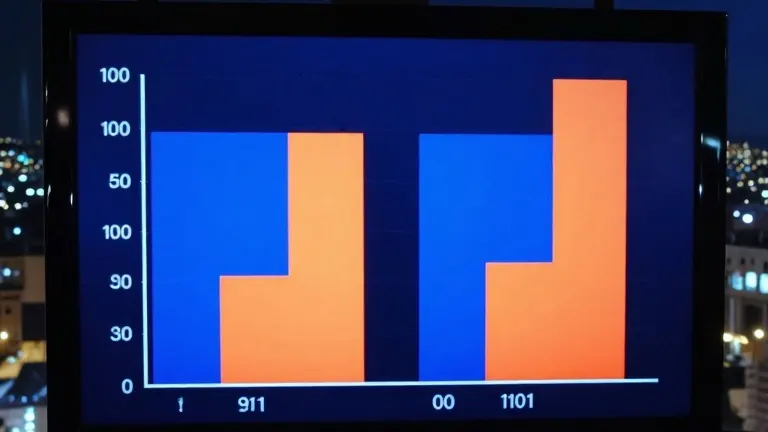
Exit polls place the opposition group at 52 seats against 50 for the government camp, with final tallies expected Wednesday.
By Allison Rojas ·
Early exit polls place the opposition bloc led by Gadi Eisenkot ahead of Prime Minister Benjamin Netanyahu’s governing coalition in the Israeli general election held on Tuesday. The preliminary data show the four-party opposition group securing a combined 52 seats in the 120-seat Knesset. Netanyahu’s coalition appears to have won 50 seats. No single party achieved an outright majority.
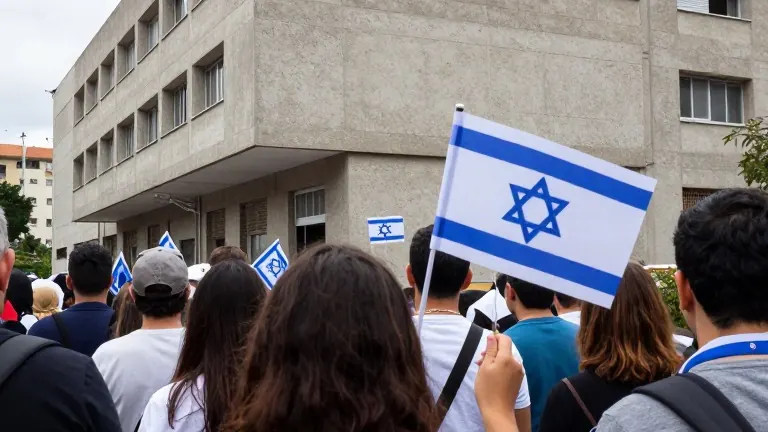
Voting concluded at 10 p.m. local time. Election officials indicate voter turnout is on track to be the highest in nearly 40 years. This marks the first parliamentary vote since the October 2023 Hamas-led attack and the subsequent wars in Gaza and other parts of the Middle East. The final seat distribution may not be confirmed until Wednesday.
The initial counts suggest Likud, Netanyahu’s party, won the most individual seats. Eisenkot’s Yashar party came second. Despite these individual results, the total seat count determines which bloc will form the next government. If no side reaches a majority, party leaders will spend days or weeks negotiating a coalition.
Shira Efron, an analyst at the Rand Corp., described the preliminary results as a strong outcome for the opposition. She stated that the most likely scenario is Eisenkot receiving the mandate from the president to form the government. Efron noted he could attempt to build a minority government or form an alliance with Arab politicians. Opposition leaders reacted quickly to the numbers, asserting that voters signaled a rejection of the current coalition.
Netanyahu, the country's longest-serving prime minister with nearly two decades in office, posted multiple messages on social media during the day. He expressed concern over the high number of Arab citizens voting and urged his right-wing supporters to cast ballots. President Trump publicly endorsed Netanyahu ahead of the vote. The two leaders plan to launch major attacks against Iran after the Israeli and U.S. midterm elections, following previous conflicts in June 2025 and February of this year.
Voters cited security and governance as primary reasons for their choices. Naama Aaronsohn, a voter, described the election as more than important, calling it crucial for the country's future. She expressed worry about the nation's direction if no major change occurred. Itamar Ariel, another voter, said his choice was based on security concerns and a belief that no one could replace Netanyahu. Nur Abu Na, a 30-year-old nurse, said the government was racist against Arab citizens. She emphasized the importance of her community voting, noting that two predominantly Arab parties are participating in the election.
The next step is the final count of all ballots, which will determine the exact number of seats for each party. That result will trigger the formal process of coalition building. The president will likely task the leader of the largest bloc with forming a government if a clear majority emerges.