Brazil Election Fallout: Trump Questions Lula Victory as Markets Plunge
The Brazilian real fell 8.1% against the dollar following the runoff, while President Trump called the results suspicious despite his ally's party accepting the outcome.
By Amelia Gupta ·

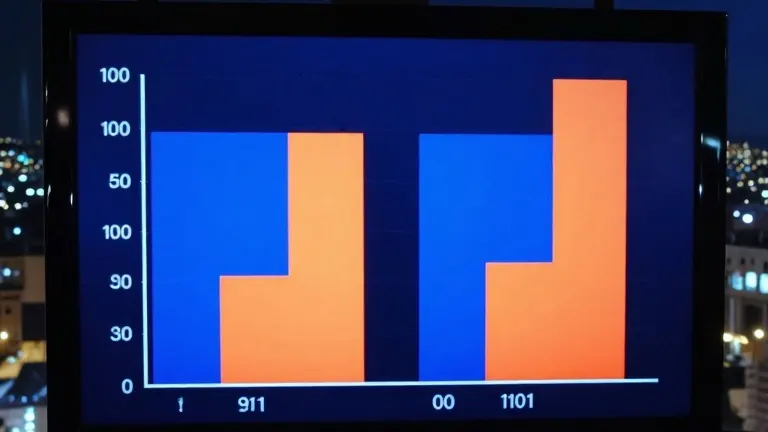
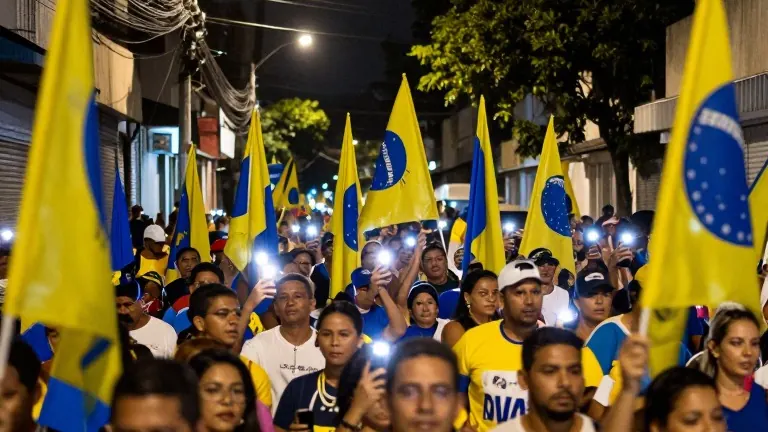
Brazilian currency holders and international investors faced immediate financial losses on Monday after President Luiz Inácio Lula da Silva won his fourth term in office. The Brazilian real dropped 8.1% against the US dollar, marking the steepest one-day decline since 2002. The stock exchange also recorded its largest single-day fall since 2020 as traders reacted to the surprise victory.
US President Donald Trump added to the uncertainty by suggesting the election was manipulated. Speaking to reporters on Monday, Trump stated that Lula's win "looked like another rigged election." He did not provide specific evidence for this claim but noted that the process "looked very bad to me." Trump specifically pointed to a two-hour extension of voting ordered by Brazil's Supreme Court, calling the move "very strange."
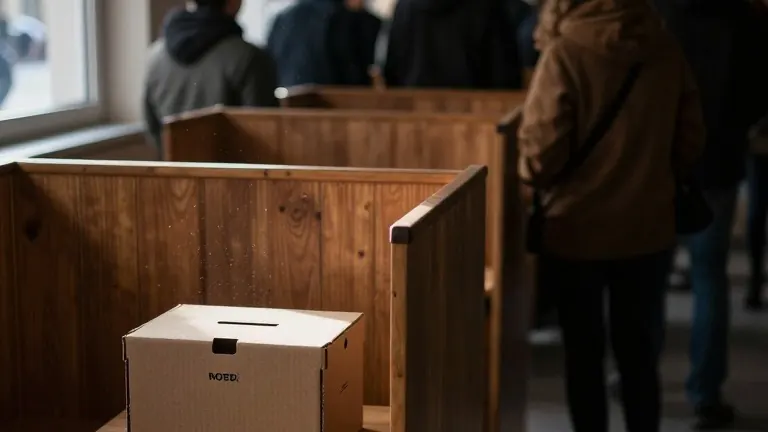
The voting extension occurred after the Supreme Court ordered additional time to count ballots. According to an analysis of electoral records by Pedro Burgos, a professor at Insper, fewer than 35,000 votes were cast during those extra two hours. This figure represents approximately 0.03% of the total votes. Lula defeated his opponent, Flávio Bolsonaro, by a margin of more than 4 million votes, a gap that makes overturning the result mathematically difficult.
Flávio Bolsonaro, the son of former President Jair Bolsonaro, initially refused to admit defeat on Sunday. He announced plans to seek the annulment of Lula's victory. However, the political dynamic shifted later on Monday when Bolsonaro's Liberal Party issued a formal acknowledgment of the results. Valdemar Costa Neto, the head of the party, signed a statement confirming their position.
"We recognize the presidential election results," Costa Neto said in the statement. "But we believe the issues raised need to be properly clarified." Flávio Bolsonaro has not spoken publicly since that statement was released. Earlier in the day, he said he would comply with a federal police order to surrender his passports. He denied reports that he planned to leave Brazil after visiting his father, who is currently under house arrest.
Trump had not officially endorsed Flávio Bolsonaro before the vote. However, Reuters reported that US State Department officials had led a campaign to help the Bolsonaro family return to power. Trump's comments contrast with the reaction of Brazil's Vice President, Geraldo Alckmin. In a television interview with Rede Vanguarda, Alckmin defended the integrity of the country's electoral system. He described Trump's remarks as "totally wrong" and "unfounded."
The election result marks a shift in the region's political direction. Lula's victory interrupted a recent wave of right-wing wins across Latin America. He had trailed Flávio Bolsonaro in the first round of voting. Pollsters attributed the turnaround to higher than expected voter turnout and a more effective social media campaign during the runoff period.
Lula campaigned on his record of reducing poverty and inequality. He also cited low unemployment rates and progress in lowering illiteracy and deforestation. His path forward faces obstacles in Congress. A surge of conservative voters in the first round of the general election pushed the Brazilian legislature further to the right. Many of the new legislators are allies of Jair Bolsonaro.
Jair Bolsonaro, who lost to Lula in 2022, received a 27-year sentence for plotting a coup. Analysts do not expect Flávio Bolsonaro to build the same level of anti-democratic support as his father did in 2022. Investors are now waiting for clear fiscal commitments from Lula's government before they rebuild their exposure to Brazilian assets.