Serbia Student Bloc Takes 46 Percent in Snap Election
The coalition backed by protest movements secured a plurality in the parliamentary vote, ending the 11-year rule of President Aleksic.
By Allison Rojas ·
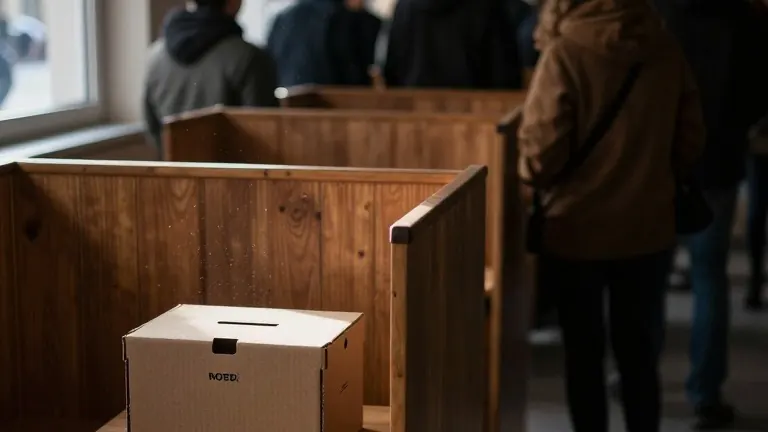
Voters in Serbia turned to a student-led coalition in a snap election held on October 27, 2026. The new bloc captured 46 percent of the vote, positioning it as the largest party in the National Assembly. This result marks a decisive shift in a political environment that has been dominated by the center-right for over a decade.
The student coalition, which formed in response to widespread protests against the government's handling of economic issues and infrastructure projects, won the most seats in the legislature. President Aleksic, who has led the country for 11 years, conceded defeat as the final tallies came in. His party, the Serbian Progressive Party, finished in second place. The opposition alliance did not win an absolute majority, but its 46 percent share of the vote is the highest recorded for a student-backed group in the country's recent history.
The victory was driven by high turnout among voters under the age of 30. Protest organizers called for a unified ballot to break what they described as a two-party stalemate. The coalition included several smaller parties and independent candidates who had previously run separately. Their joint list focused on pledges to lower energy prices and increase transparency in public procurement. Aleksic had campaigned on stability and continued European Union integration, but he could not offset the momentum of the youth movement.
Key figures in the student movement, including several university students who organized the initial demonstrations, now hold the leverage to form a governing coalition. The next phase of the political process involves negotiations between the student bloc and other opposition parties to secure a majority. Aleksic is expected to remain in a ceremonial role until a new government is formed. He stated in a short address that he respects the will of the people and will support the transition.
The stakes of the election extend beyond the current political cycle. The new assembly will determine the direction of Serbia's negotiations with the European Union. The student coalition has signaled a willingness to move forward with EU accession talks, a position that aligns with their base but differs from the cautious approach taken by the previous administration. The outcome also sets a precedent for future youth-driven political movements in the region.
International observers noted the high level of civic participation in the election. The vote was held in a period of heightened public scrutiny following months of street protests. The student bloc's success challenges the narrative that young voters in the region are apathetic or easily swayed by traditional party machines. The result forces a reevaluation of the political dynamics in Serbia and the neighboring Balkans.