SpaceX Shares Surge as AI Boom and Starlink Growth Drive Massive Valuation Hikes
Wall Street brokers are significantly raising their price targets for the aerospace and technology giant after it posted record-breaking third-quarter results that far exceeded market expectations.
By Amelia Gupta ·
The tension between the high cost of scaling artificial intelligence infrastructure and the explosive demand for it has reached a tipping point, prompting Wall Street to radically reassess the value of SpaceX. Following a third-quarter earnings report released after the close on October 20, 2026, a wave of analysts moved to significantly higher price targets. The market’s reaction was swift, with the stock jumping approximately eight percent in early premarket trading on October 21, a day after closing at $147.79.
The foundation for this sudden shift in sentiment was laid over the past year as the company pivoted from a pure launch provider to a diversified technology conglomerate. The timeline of this transformation accelerated in the final quarter, where SpaceX reported revenue of $14.6 billion, a 161 percent increase compared to the same period the previous year. This figure comfortably surpassed the consensus estimate of $12.7 billion. More significantly, the company swung from a net loss in the prior year to a profit of $4.4 billion, with adjusted EBITDA reaching $8.8 billion.
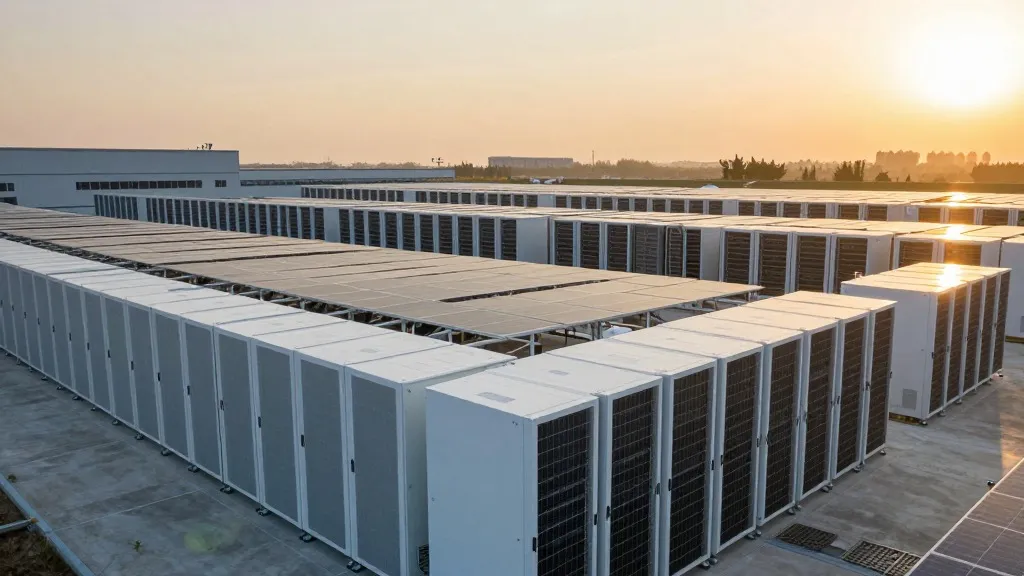
The catalyst for the aggressive analyst updates was the earnings call, during which CEO Elon Musk and CFO Bret Johnsen outlined a trajectory that far outpaced current models. Management provided first-quarter 2027 revenue guidance ranging from $33 billion to $37 billion, a figure that dramatically exceeded the roughly $22 billion analysts had previously projected. To support this growth, the company announced plans for fourth-quarter capital expenditures between $35 billion and $40 billion, primarily focused on expanding AI compute infrastructure in locations including Memphis and Southaven.
The shift in revenue composition is the central driver of the new valuations. The Super Intelligence division, which handles the company's AI operations, generated approximately $7.6 billion in revenue, growing nearly 830 percent year-over-year to become the largest contributor. Meanwhile, the Connectivity segment delivered $5.2 billion, driven by strong subscriber additions that expanded the Starlink consumer base to 13.6 million users. This dual engine of growth has convinced investors that the company’s long-term earnings power is fundamentally stronger than previously thought.
The scale of the capital investment required to meet these goals is substantial, but management argues the return on investment is unprecedented. Musk described relentless demand from hyperscalers and other major customers, noting that current compute pricing supports payback periods of less than a year, and potentially as short as six months. The company targets 2.5 to 3 gigawatts of nameplate compute capacity by the end of the year, with pathways to reach 13 gigawatts or more by the end of 2027.
Analysts have responded by revising their outlooks upward across the board. JPMorgan more than doubled its target to $500 from $240, while Cantor Fitzgerald lifted its target to $345. Other major firms, including Barclays, Citi, UBS, and TD Cowen, also raised their targets, citing the strong quarterly print and accelerating AI expansion as key drivers. Even firms with slightly more conservative views, such as Wells Fargo and Clear Street, adjusted their valuations higher to reflect the new reality.
Beyond the financials, the company highlighted several strategic milestones that bolster its competitive position. These include Starship’s recent orbital success and the deployment of V3 satellites, which are critical for the next generation of internet service. Additionally, management discussed the rapid adoption of the Grok Bot, plans for spectrum expansion, and the formation of special committees to explore a potential combination with Tesla. These developments suggest a deepening integration between SpaceX’s hardware and its software and intelligence capabilities.
Looking ahead, the focus will remain on the company’s ability to execute on its massive capital expenditure plans without diluting its profitability. While the elevated spending remains a point of focus for some investors, the consensus has shifted toward greater conviction in the trajectory of SpaceX’s launch, connectivity, and Super Intelligence businesses. The immediate future will be defined by the company’s progress in building the gigawatt-scale compute infrastructure that underpins its current valuation.
More Business · Consumer Watch · Report a business · Got a Story?