Tesla Narrows Scope of Unsupervised Driving to Robotaxi Zones by Q2 2027
The company has redefined its autonomous driving rollout as a fleet-based service within specific geofences, rather than a universal software update for all owners.
By Amelia Gupta ·
Tesla has officially set a target for the second quarter of 2027 for unsupervised Full Self-Driving in customer-owned vehicles, though the scope of the feature is significantly narrower than previous investor presentations suggested. This new timeline was confirmed during the company's third-quarter 2026 earnings call, marking the latest revision to a promise that CEO Elon Musk has maintained for nearly a decade. The announcement clarifies that the technology will not initially function as a universal driver for any destination, but rather as a specific operational mode within the company's existing managed network.
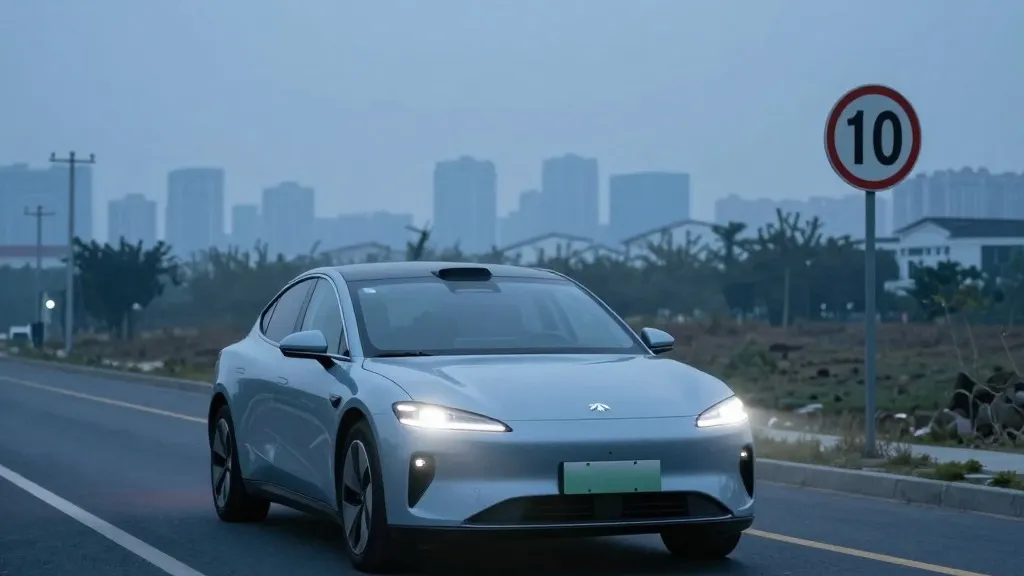
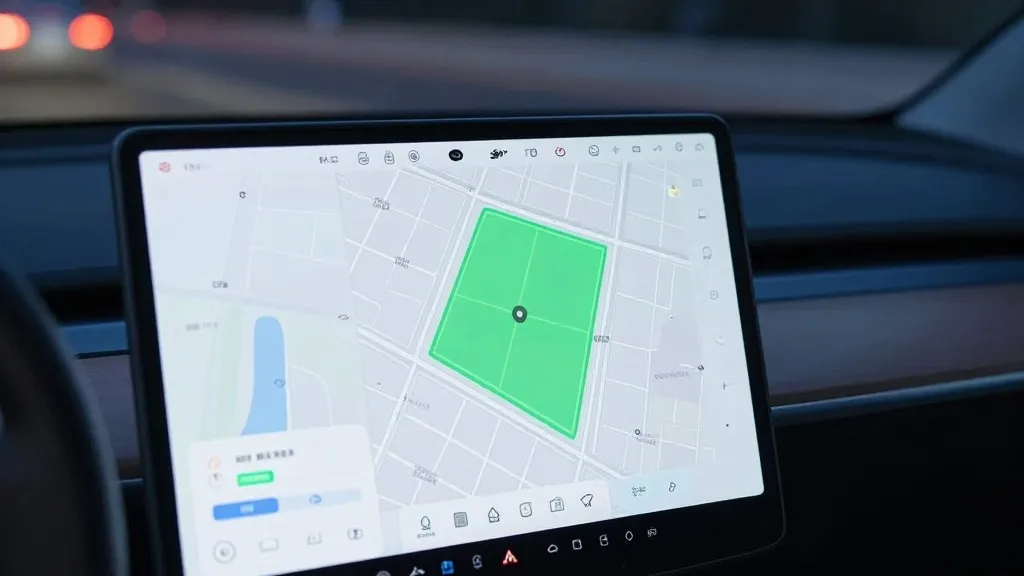
The financial and operational details of this shift reveal a distinct change in product definition. AI chief Ashok Elluswamy explained that owners will be adding their vehicles to Tesla's managed Robotaxi fleet. This means the cars will only drive themselves without supervision within the specific geographic areas where Tesla already operates its Robotaxi service. The current service areas cover six US metropolitan regions, but the actual geofences are small. For example, the Miami zone primarily covers West Miami and a strip toward Doral and Sweetwater. Orlando and Tampa launched in July with similarly limited boundaries. Inside these zones, the vehicles stick to low-speed routes and largely avoid highways and complex urban environments.
The regulatory and operational constraints further limit the immediate utility of this feature. In the Bay Area, the service is not yet unsupervised due to California regulations requiring a safety driver in every car. Tesla has chosen not to release certain data to the California DMV, a step required to move beyond a level 2 autonomous system classification. The current fleet size remains modest. By the end of the third quarter, Tesla reported nearly 2 million cumulative unsupervised miles, a figure achieved one month after the Cybercab joined the Austin fleet. Third-party tracking from this spring indicated that the number of fully driverless Teslas on the road was in the dozens, a fraction of the hundreds of thousands Musk had previously discussed. Competitor Waymo had already established operations in both Orlando and Tampa prior to Tesla's entry and has logged over 3 million miles.
This new structure contrasts sharply with the original pitch to FSD buyers, who were told the software update would eventually allow their cars to drive anywhere. In July 2025, Musk stated that unsupervised FSD would be available for personal use in certain geographies by the end of that year. A year prior, he expressed surprise if the technology was not ready within twelve months. Hardware version 3 owners who purchased the feature have already been informed that their computers cannot run unsupervised FSD, with no clear upgrade path provided. The Q2 2027 target now represents a product where the vehicle joins the fleet in specific zones under Tesla's operational control, rather than a free-roaming autonomous car.
Market analysts and shareholders have focused on the regulatory hurdles that could impact this timeline. While Tesla holds a permit to test with a driver in California alongside 23 other companies, it is not among the five companies with permits for driverless testing. Only three companies currently hold permits for driverless deployment, including Waymo, Mercedes, and Nuro. Waymo took ten months to progress from driverless testing to deployment, suggesting that Tesla's Q2 2027 target may be optimistic given the current state of its regulatory standing. The company continues to cite safety as the primary bottleneck, limiting its operations to lower-speed roads and simpler environments while it works to resolve these issues.
For investors and consumers, the stakes involve a reevaluation of the value proposition for the FSD subscription. The goalpost has moved from a car that drives its owner anywhere to a vehicle that can function as a Robotaxi within a controlled geofence. This excludes highway road trips and cross-town commutes unless the user lives and works within the designated zones. Elluswamy reiterated that safety remains the critical factor, and while he believes these issues will be resolved by next year, the company admits uncertainty regarding the exact timing. The shift underscores a pragmatic approach to scaling autonomy, prioritizing managed fleet operations over broad consumer adoption in the near term.
More Business · Consumer Watch · Report a business · Got a Story?