U.N. Mission in Western Sahara Ends After 35 Years Due to Council Standoff
A Security Council veto triggered the immediate end of the MINURSO force, which had a 2026-2027 budget exceeding $62 million.
By Amelia Gupta ·
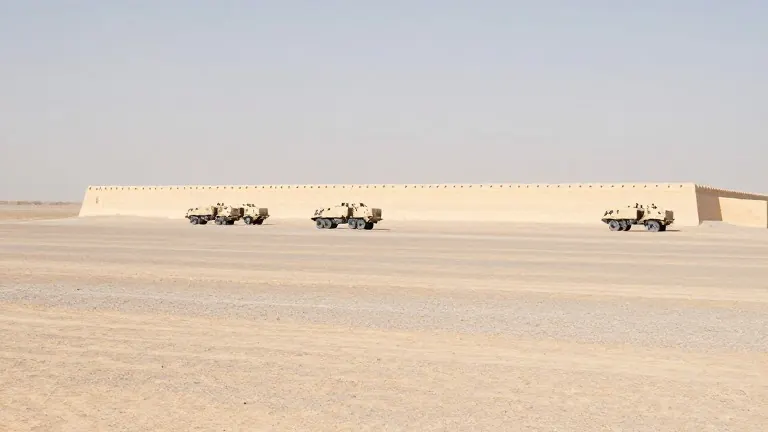
The United Nations officially ceased operations of its Western Sahara peacekeeping mission on November 1, 2026. The force, known as MINURSO, had been deployed in the disputed territory since 1991. Its mandate expired after a split in the U.N. Security Council prevented a renewal.
The mission was established following a 1991 cease-fire brokered by the U.N. The original agreement was intended to lead to a referendum on self-determination. That vote never took place due to disagreements between Morocco and the Polisario Front over voter eligibility. Morocco administers most of the desert territory, which is roughly the size of Colorado and rich in minerals and fisheries.
The abrupt end to the mission resulted from conflicting votes at U.N. headquarters. On Friday, Russia vetoed a draft U.S. resolution that would have supported Morocco's sovereignty claim and allowed the mission to end next year. A competing Russian resolution to extend the mission was then voted down. This procedural deadlock led to the immediate expiration of the force's authority.
Stéphane Dujarric, spokesperson for the U.N. secretary general, confirmed the start of the liquidation period on November 1. A smaller team from the United Nations' Department of Operational Support will now oversee the return of assets to troop-contributing countries. The force had 534 personnel and a budget of more than $62 million for the 2026-2027 cycle. Egypt, Ghana, and Pakistan were the largest military contributors, and twenty personnel died during the mission's history.
Regional reactions to the decision were divided. Morocco's royal palace welcomed the non-renewal, describing the mission as a tool to internationalize the dispute. The Polisario Front, supported by Algeria, called the decision unacceptable. The Algerian foreign ministry criticized the U.S. draft for excessive bias and expressed deep regret over the mandate's end.
The Polisario Front withdrew from the cease-fire in 2020. The U.N. reported last month that the territory has since experienced low-intensity hostilities. The secretary general called on all parties to exercise maximum restraint. Morocco and Algeria, which severed diplomatic ties in 2021, view the territory as a central point of rivalry. Algiers hosts the Polisario leadership and sees Moroccan control as a diplomatic defeat.
The U.N. classifies Western Sahara as a non-self-governing territory. Morocco refers to the area as its southern provinces and has secured support from Washington, Paris, and London. The Polisario Front operates from refugee camps in Tindouf, Algeria, and seeks to establish an independent Sahrawi Republic. The dispute began after Spain's departure in 1975, leading to an armed conflict that lasted more than 15 years and resulted in over 16,000 deaths.