Washington election officials have 21 days to verify every ballot before certification
State and county teams will audit tabulation machines and reconcile vote counts to finalize results for the November 2026 election.
By Amelia Gupta ·
Washington state election officials now begin a month long process to verify the results of the November 2026 general election. The certification period starts immediately after Election Day and involves a detailed review of ballot counts by state and county teams.
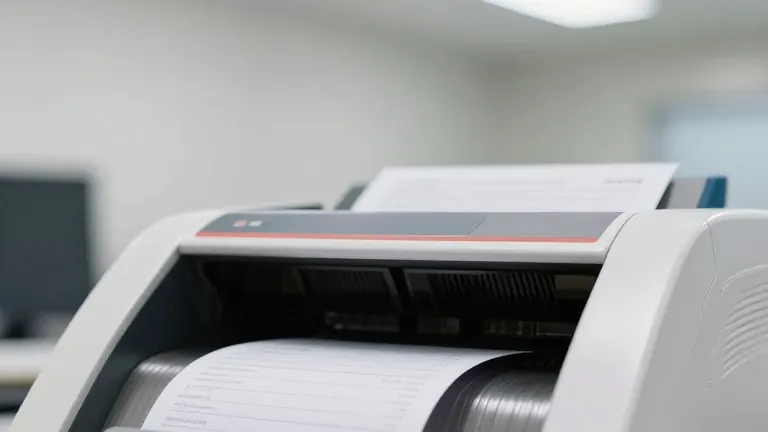
Stuart Holmes, the state Director of Elections, explained that the process is driven by local offices. County election workers use tabulation machines to count ballots. They then engage in a step called election reconciliation.
Holmes defined reconciliation as accounting for every single ballot issued and received across the state. "What that really means is we're accounting for every ballot that's been issued, and every ballot has been received by every county in the state of Washington," he said.
Local teams have 21 days to complete this reconciliation. Once finished, they submit their findings to the county canvassing board. That board reviews the results before they are sent to the Secretary of State's office.
The Secretary of State's office then has nine days to certify multi county races and statewide ballot measures. This timeline ensures that official results are finalized within a specific window after the vote is cast.
Trust in the counting equipment is a common concern among voters. Holmes acknowledged this skepticism. "When we're talking about voting machines, there's a lot of concern about the accuracy of the voting machines and potentially, you know, a distrust with them in the outcomes," he said.
State rules require tabulation machines to be tested before and after every election. The state only permits machines that cannot transmit data wirelessly. Officials also conduct pre and post election audits to confirm the equipment has not been tampered with.
The state also checks for voter fraud by cross referencing voter names with lists from other states. This helps identify individuals who may have voted in multiple jurisdictions. Holmes noted that fraud in Washington is extremely rare despite millions of ballots cast.
"There are millions and millions of ballots that are cast and a very small amount of fraud," Holmes said. "These small amounts still need to be treated seriously and investigated, but the fact remains that it's a very, very rare occurrence."
The state standardized these procedures after the 2004 governor's election. Holmes said that process showed variation across counties. Since then, state leaders have worked to ensure consistency in how different election processes are handled.