57 Million Early Votes Set Stage for Midterm Turnout Battle
Party leaders argue that voter participation will decide the House and Senate, with both sides mobilizing ground teams across the country.
By Javier Sanders ·
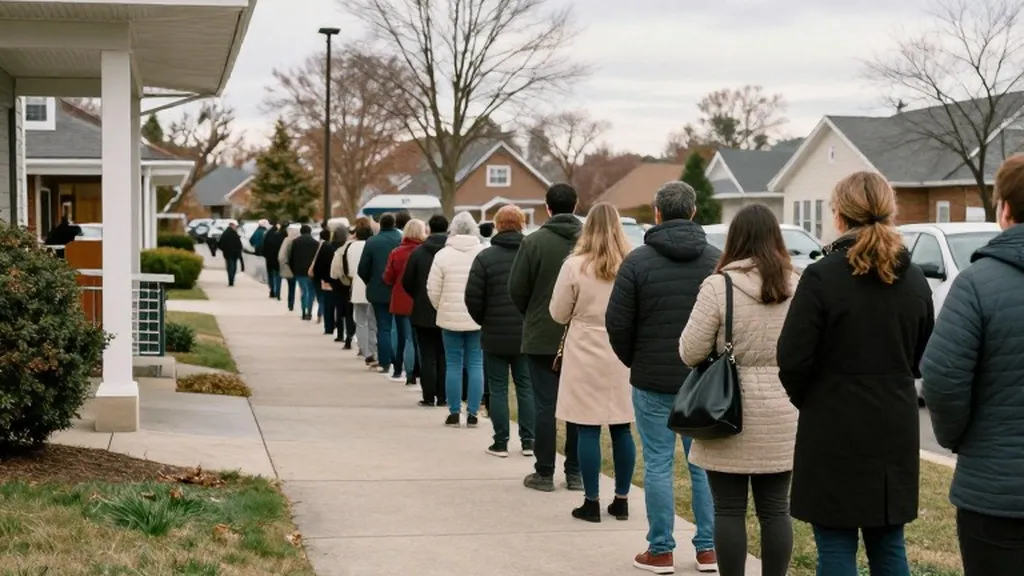
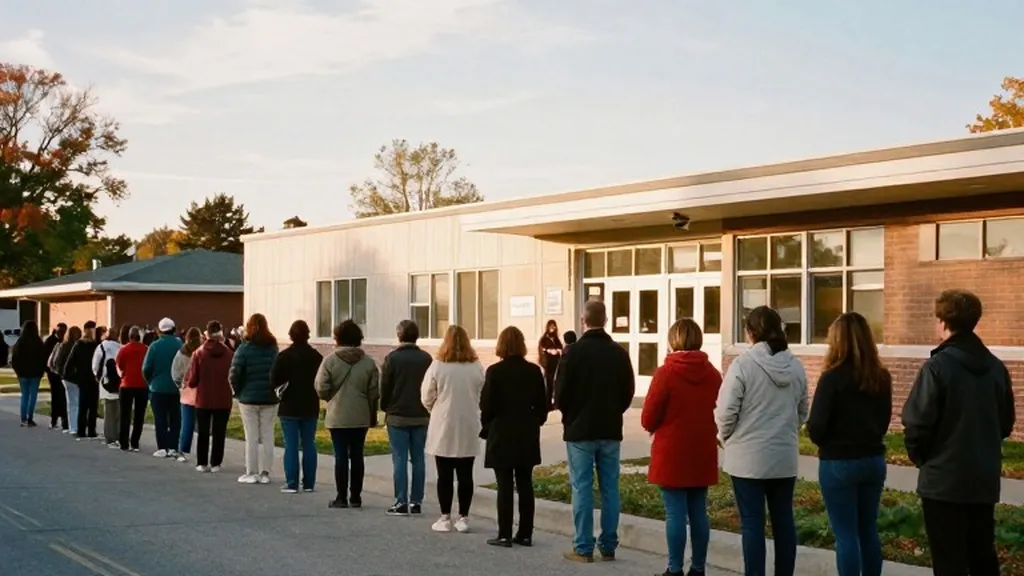
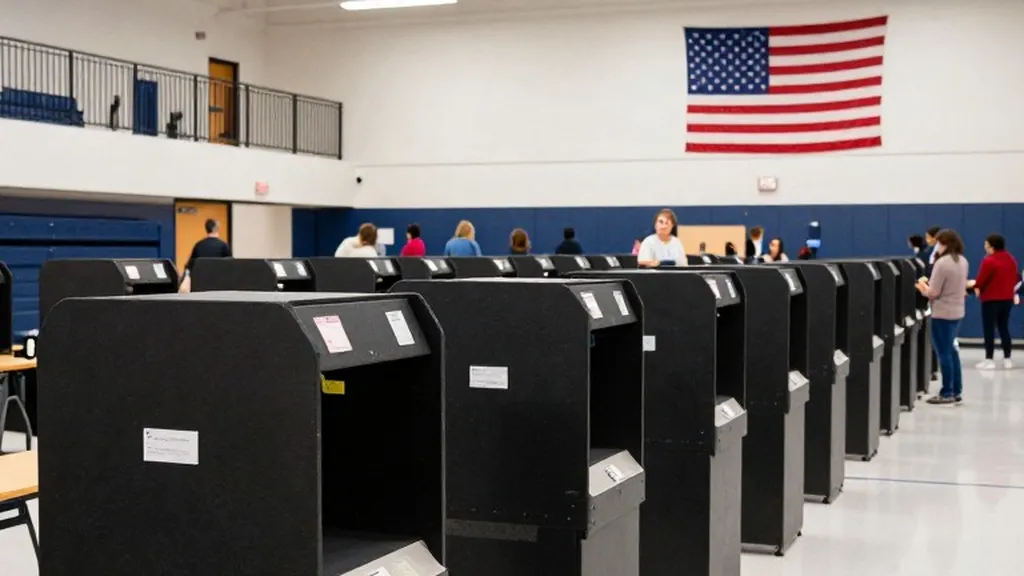
More than 57 million Americans had already cast their ballots before the polls opened on Tuesday, according to data. This figure surpasses the early vote totals from the previous midterm election in many closely watched states. The early surge in participation has become a central focus for both major political parties as they prepare for the final day of voting. The Associated Press notes that the election is being viewed as a referendum on the current administration, with voters grappling with high prices and an unpopular war with Iran.
Republican National Committee Chairman Joe Gruters emphasized the critical importance of voter turnout in a statement released on Election Day. He stated that everything depends on turnout and that if his party can mobilize its voters, they will win. Gruters noted that this strategy is what the Republican team has been planning for throughout the campaign cycle. His comments reflect the party's defensive posture regarding the House, where they are bracing for potential losses while fighting to maintain their Senate majority.
In contrast, Democratic Congressional Campaign Committee Chair Rep. Suzan DelBene focused on the mood of the electorate. She described the American people as angry and in need of change. DelBene's remarks highlight the Democratic strategy of leveraging economic dissatisfaction to drive higher turnout among their base. The Associated Press reports that Democrats are cautiously optimistic, believing that their ground game can overcome the historical midterm disadvantage faced by the president's party.
The ground game in this election has been marked by significant effort and expense. The 2026 elections are likely to be the most expensive in history, with Republican committees outraising and outspending their Democratic counterparts at the committee level. This advantage was largely driven by support from Trump-affiliated groups and major donors such as Elon Musk. However, at the individual candidate level, Democrats managed to outraise their opponents, indicating a strong grassroots fundraising effort in key districts.
Associated Press analysis of advertising data reveals a distinct spending pattern among Republicans. Eighty-eight.1% of Republican general election television ad spending was directed at states and districts that Donald Trump won in 2024. This includes more than $850 million spent in areas where he won by ten points or more. This strategy suggests a focus on protecting the party's strongest base while attempting to hold onto competitive seats in the Senate and House.
Voters on the ground expressed mixed views on the direction of the country. Mark Barker, a voter from Palm Beach Gardens, Florida, said that he has been following Trump's performance closely and believes he is doing an awesome job. His sentiment aligns with the Republican narrative of continued leadership and economic stability under the current administration.
James Moore, a 57-year-old librarian in Raleigh, North Carolina, offered a different perspective. He stated that he is paying more taxes, more for healthcare, and more for everything. Moore's comments reflect the economic strain that the Associated Press identifies as a primary driver of voter dissatisfaction. Many voters blame the president for high prices, a sentiment that polls indicate is widespread among the American public.
Polling data and NORC provides further context on voter sentiment. Only 35% of U.S. Adults approve of Trump's job performance, while just 25% approve of his handling of the economy. About seven in ten Americans say the country is heading in the wrong direction. These numbers underscore the challenging environment in which both parties are trying to mobilize their supporters for the final push on Election Day.
The race for control of the House involves all 435 seats, with Republicans currently holding a slight majority. Democrats need a net gain of three districts to take control, while Republicans can afford to lose no more than two. Ballotpedia counts 46 battleground districts, making the outcome highly dependent on performance in these competitive areas. The Senate race involves 35 seats, with Democrats needing a net gain of four seats to achieve a majority.
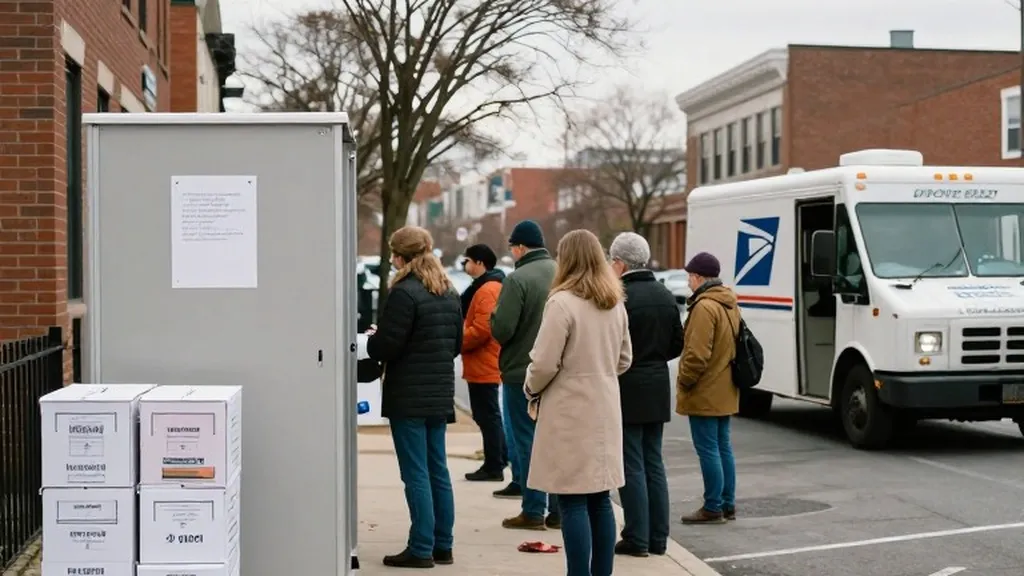
As polls close across the country, the focus shifts to the administration of the election day itself. The U.S. Postal Service added hours, staff, and special lines to ensure that mail ballots are counted on time. A federal judge temporarily barred the Trump administration from carrying out a plan to prevent noncitizen voting, a move that critics said risks disenfranchising eligible voters. These administrative details are crucial as both parties monitor the process for potential disputes.
The outcome of this election will determine who controls Congress for the final two years of President Trump's second term. If Democrats win even one chamber, investigations and possible impeachment proceedings become likely. House Democratic Leader Hakeem Jeffries would be the first Black speaker if the Democrats take the House, and he has outlined a 100-day agenda focused on the cost of living and oversight. The results will also have significant implications for potential 2028 presidential candidates from both parties.