Courts and ballots: Legal battles shape election day administration
Federal judges blocked noncitizen voting measures in California and Alaska, while the Postal Service expanded operations to ensure timely mail ballot processing.
By Allison Rojas ·
Federal court interventions have become a central feature of this year's election administration, with judges stepping in to block specific actions by the Trump administration regarding voter eligibility and ballot handling. On Monday, a federal judge temporarily barred the administration from carrying out a plan designed to prevent noncitizen voting, a move that critics argue risks disenfranchising eligible voters and infringes on the authority of states to manage their own elections. The ruling highlights the tension between federal oversight and state-level election management as polls open across the country.
In California, a separate judicial order required the administration to stop demanding that election officials segregate ballots cast by individuals included on lists of suspected noncitizens. This decision provides immediate relief to California election officials who had been preparing to implement the segregation process. The legal maneuvering in these two states underscores the high stakes involved in determining exactly how votes are counted and processed on election day.
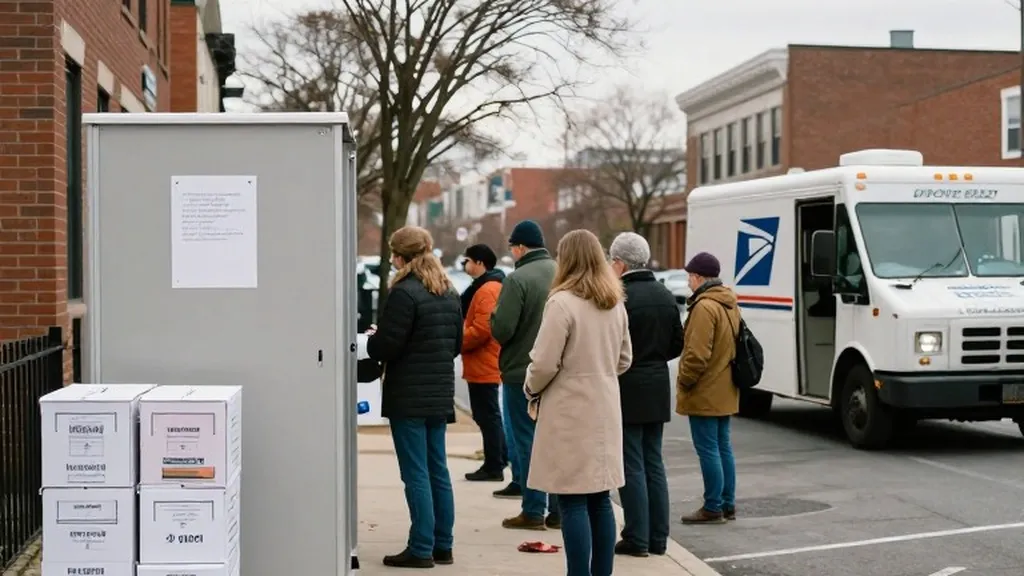
The U.S. Postal Service has also taken significant steps to support the election, adding extra hours, staff, and special lines to ensure that mail ballots are counted on time. These measures are critical in states where mail voting is a primary method of casting ballots, such as California, Colorado, Hawaii, Nevada, Oregon, Utah, Vermont, and Washington. The expansion of postal services aims to prevent delays in the counting process, which could otherwise lead to prolonged certification periods and increased legal scrutiny.
Meanwhile, the Justice Department has threatened to prosecute local election officials, a move that has raised concerns among Democrats about potential interference and intimidation. This threat follows the administration's continued claims about voting fraud, including assertions that noncitizens are voting in large numbers. The legal and administrative actions taken in the days leading up to election day have set a precedent for how disputes over voter eligibility may be handled in future cycles.
As voters head to the polls, the interplay between federal and state authorities is playing out in real time. The temporary bar on the noncitizen voting plan and the order to stop segregating ballots in California are not just procedural adjustments; they are substantive decisions that affect how millions of votes are treated. The Postal Service's expanded operations ensure that the physical logistics of mail voting are supported, reducing the risk of administrative bottlenecks.
Legal experts note that the rulings in Alaska and California are part of a broader pattern of federal courts asserting jurisdiction over election administration. In Alaska, the Trump administration filed a lawsuit related to the certification of the Senate result, adding another layer of legal complexity to a race that is already closely watched. The administration's legal strategy appears to focus on ensuring that federal interests are protected, even if it means challenging state-level procedures.
The Postal Service's measures are particularly significant given the volume of mail ballots expected in this election. By adding staff and special lines, the agency is attempting to streamline the process of receiving and processing these ballots. This logistical support is crucial for maintaining the integrity of the election and ensuring that all valid votes are counted in a timely manner. The expansion of services reflects a recognition of the growing importance of mail voting in modern elections.
Legal observers are watching closely to see how these rulings are implemented in the coming days. The temporary nature of the bar on the noncitizen voting plan means that the administration could potentially appeal the decision or seek further clarification from the courts. The order in California to stop segregating ballots is also subject to potential appeals, which could lead to further legal battles in the weeks following the election.
The involvement of the federal courts in this election is a departure from previous cycles, where such interventions were less common. The administration's focus on noncitizen voting and the segregation of ballots has brought these issues to the forefront of public debate. The Postal Service's expanded operations are a practical response to the logistical challenges of mail voting, ensuring that the physical infrastructure of the election is robust enough to handle the expected volume of ballots.
As polls open across the country, the legal and administrative decisions made in the days leading up to election day will have a tangible impact on how votes are counted and certified. The rulings in California and Alaska, along with the Postal Service's expanded operations, are part of a broader effort to ensure that the election is conducted smoothly and fairly. The coming days will reveal how these measures hold up under the pressure of a high-stakes midterm election.
The federal courts' role in shaping election administration is likely to continue in the days following the election, as legal challenges to results and certification processes are anticipated. The temporary bar on the noncitizen voting plan and the order to stop segregating ballots in California are just the beginning of what could be a prolonged legal process. The Postal Service's expanded operations will play a crucial role in ensuring that mail ballots are counted on time, reducing the risk of delays and disputes.