Election Day 2026: Poll Hours, ID Rules, and Voting Logistics
A practical guide for voters on Tuesday, November 3, 2026, covering state specific hours, identification requirements, and the status of mail ballot processing.
By Amelia Gupta ·
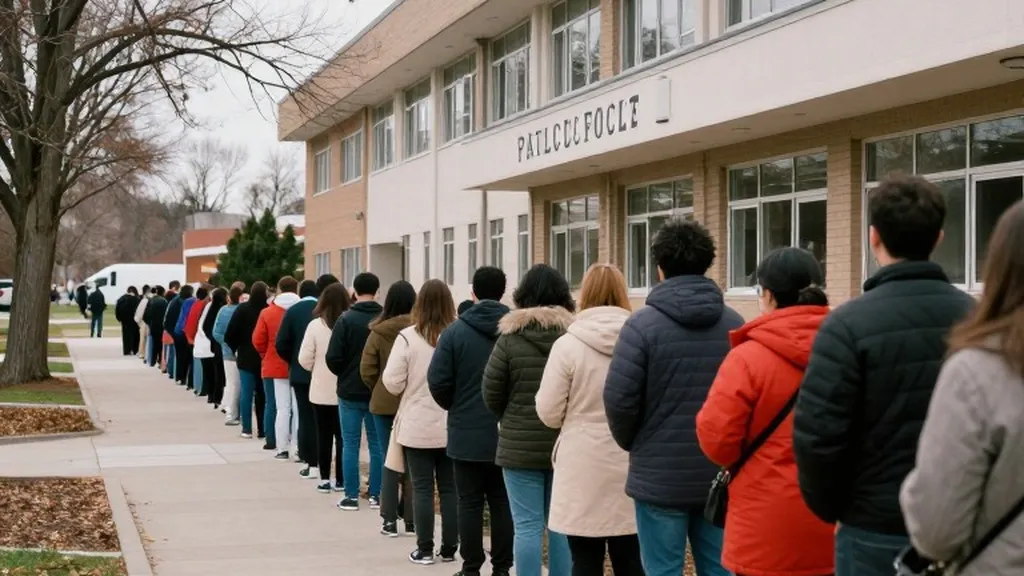
Voters across the United States are heading to the polls on Tuesday, November 3, 2026, to decide the composition of Congress for the final two years of President Donald Trump's second term. The Associated Press describes the day as a referendum on the administration, with voters weighing high prices and an unpopular war with Iran. While more than 57 million people had already voted by Monday, the final hours of in person voting remain critical for determining which party controls the House and Senate.
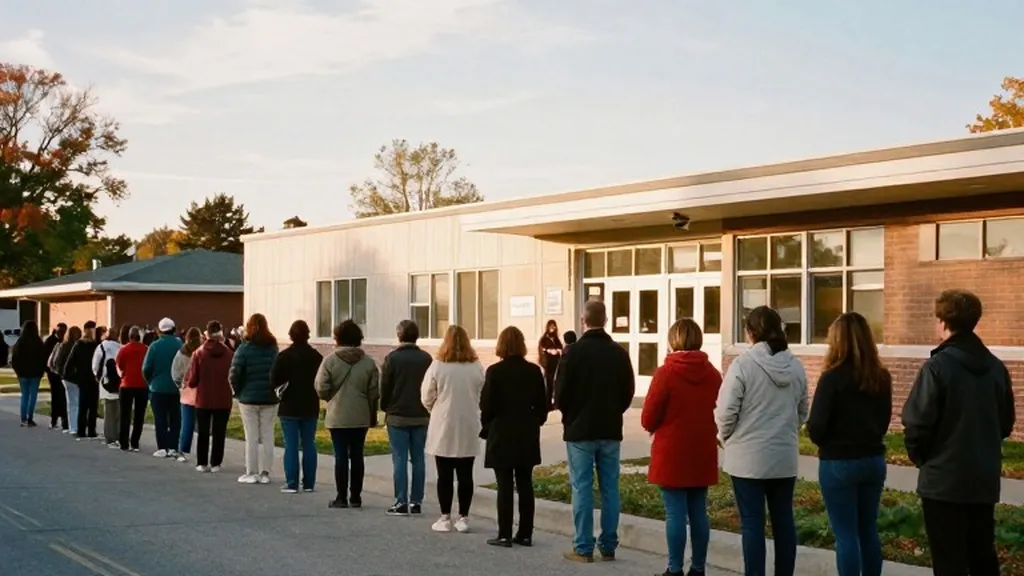
Before leaving home, voters should confirm their specific polling location using the federal government's portal at vote.gov or their local state election office website. Polling hours vary significantly by state, and arriving early is advisable due to potential lines. Hours generally range from 6 a.m. To 8 p.m. Local time, though some jurisdictions have earlier or later closures. For example, New York polls are open from 6 a.m. To 9 p.m., while Kentucky closes at 6 p.m.
In states with later closing times, such as California and Michigan, polls remain open until 8 p.m. Local time. Arizona and Mississippi close at 7 p.m., while North Carolina and Ohio close at 7:30 p.m. The Associated Press notes that anyone in line when polls close is entitled to cast their ballot. Voters in New Hampshire and Tennessee should check local guidelines, as hours vary by town and county respectively. North Dakota and Vermont have flexible opening times that depend on local authority.
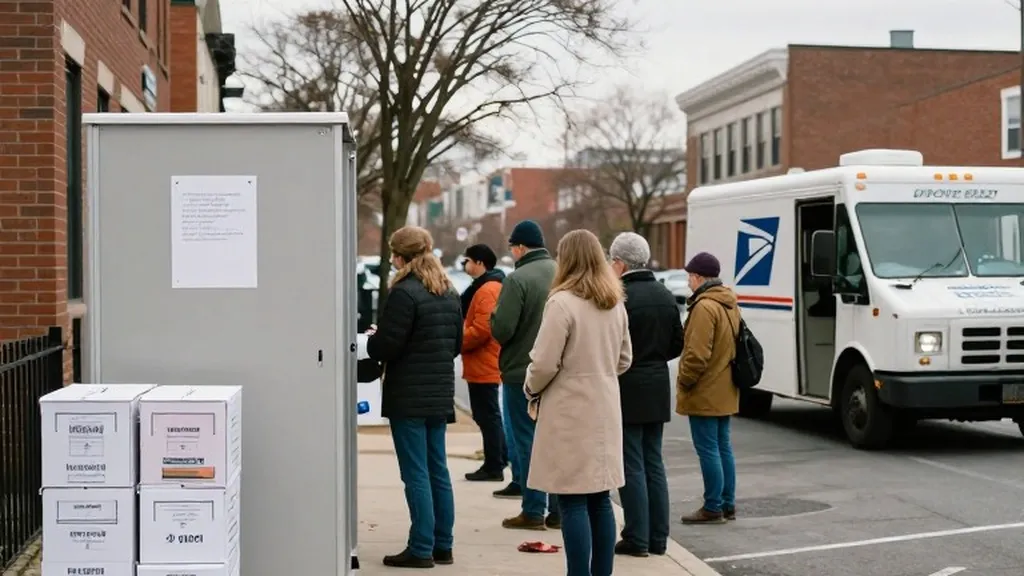
Identification rules differ by state, and voters are advised to check their specific state's requirements before going to the polls. Some states require a photo ID, while others accept non photo forms of identification. The U.S. Postal Service has added staff and special lines to ensure that mail ballots are counted on time. This is particularly relevant in states like Oregon, Utah, and Washington, where voting is largely conducted by mail. These measures aim to prevent delays in counting the final batch of ballots.
Legal challenges have emerged regarding the handling of noncitizen voters. A federal judge temporarily barred the Trump administration from implementing a plan to prevent noncitizen voting, a move critics argued could disenfranchise eligible voters. In California, a judge ordered the administration to stop demanding that election officials segregate ballots cast by people on lists of suspected noncitizens. These rulings add a layer of administrative complexity to an already busy election day.
Political parties are focused on turnout as the deciding factor. RNC Chairman Joe Gruters stated that everything depends on getting voters to the polls, while DCCC Chair Rep. Suzan DelBene emphasized that the American people are angry and want change. Republicans are bracing to lose the House but are fighting to hold the Senate. Democrats are cautiously optimistic, hoping to gain enough seats in either chamber to initiate investigations and oversight.
The financial aspect of the election has also been notable, with the 2026 cycle likely to be the most expensive in history. Republican committees have outraised and outspent Democratic committees, aided by groups affiliated with President Trump and Elon Musk. However, at the candidate level, Democrats have outraised their opponents. This spending has been concentrated in states and districts that President Trump won in 2024, where Republican TV ad spending reached significant levels.
Voters are expressing a range of sentiments about the current administration. Mark Barker of Palm Beach Gardens, Florida, said that he has been following Trump closely and believes he is doing an awesome job. In contrast, James Moore, a librarian in Raleigh, North Carolina, cited higher taxes and healthcare costs as reasons for his vote. These personal accounts reflect the broader national debate over the cost of living and the direction of the country.
The stakes extend beyond congressional control. If Democrats win either chamber, investigations and possible impeachment proceedings could become more likely. House Democratic Leader Hakeem Jeffries would be the first Black speaker if Democrats take the House, and he has outlined a 100 day agenda focused on the cost of living. For Republicans, holding the Senate would allow them to confirm judicial appointments and maintain legislative agenda control. Wall Street is also watching the results that outcomes could impact investor confidence regarding AI spending and debt ceiling negotiations.
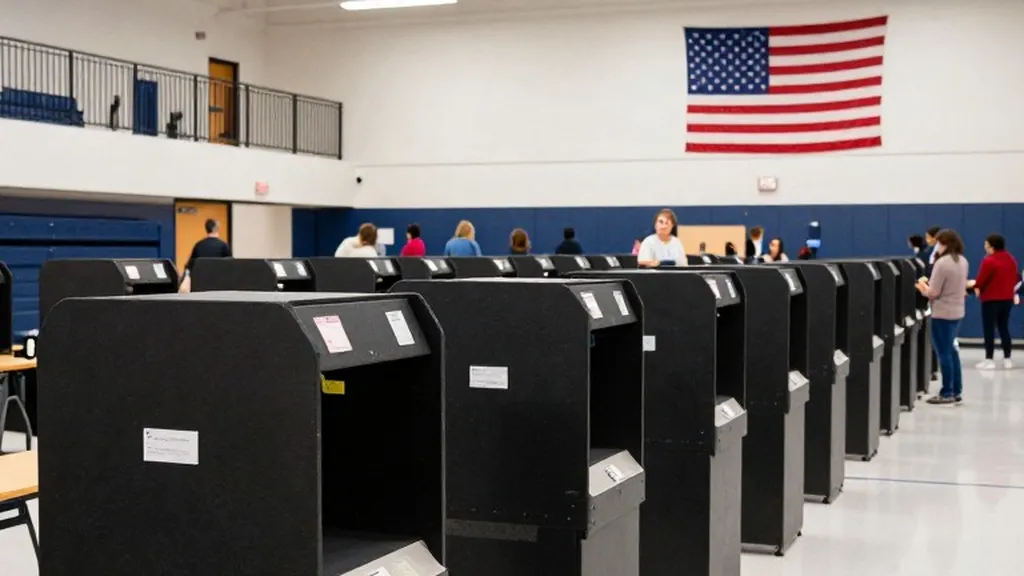
Voters should bring their identification and arrive early to account for potential wait times. The U.S. Postal Service is working to ensure mail ballots are processed efficiently, but in person voting remains the primary method in most states. As polls open, the focus shifts to the final count, which will determine the balance of power in Washington for the next two years.
The day concludes with the closing of polls in the final states. Once the last voters have cast their ballots, the work of counting begins. The results will provide a clear picture of the electorate's response to the current administration and the national political landscape. Voters are encouraged to stay informed and participate in this critical democratic process.