Wall Street watches AI spend and debt as voters choose Congress
Investors are closely monitoring Tuesday's midterms for signals on AI investment, debt ceiling talks, and trade alliances, while voters weigh high prices and the unpopular war with Iran.
By Amelia Gupta ·
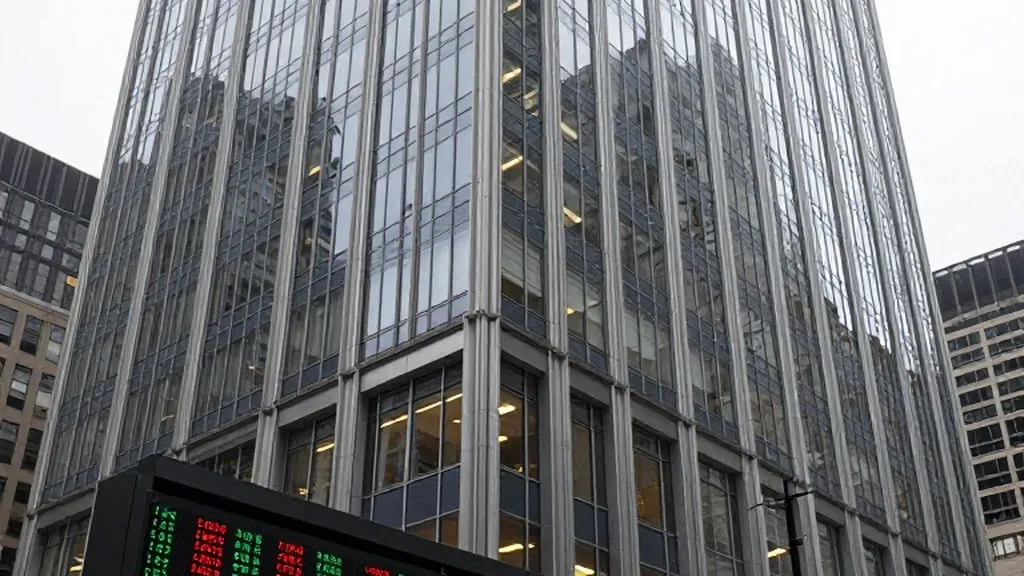
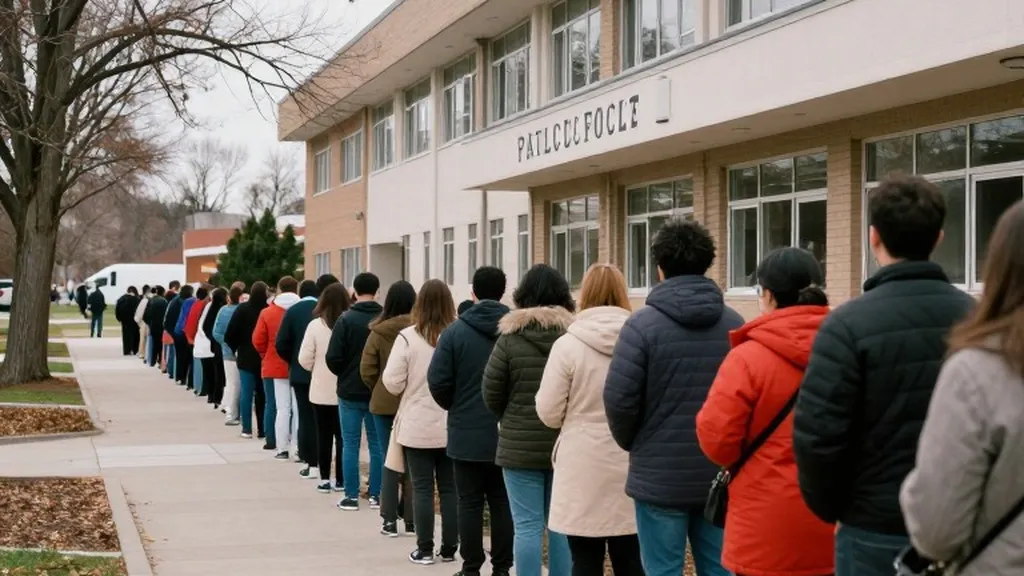
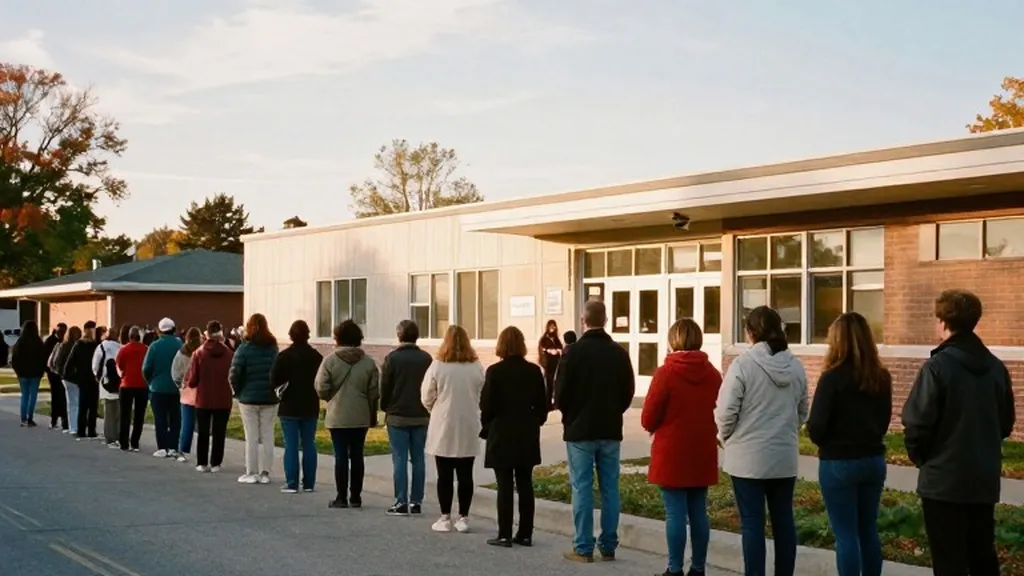
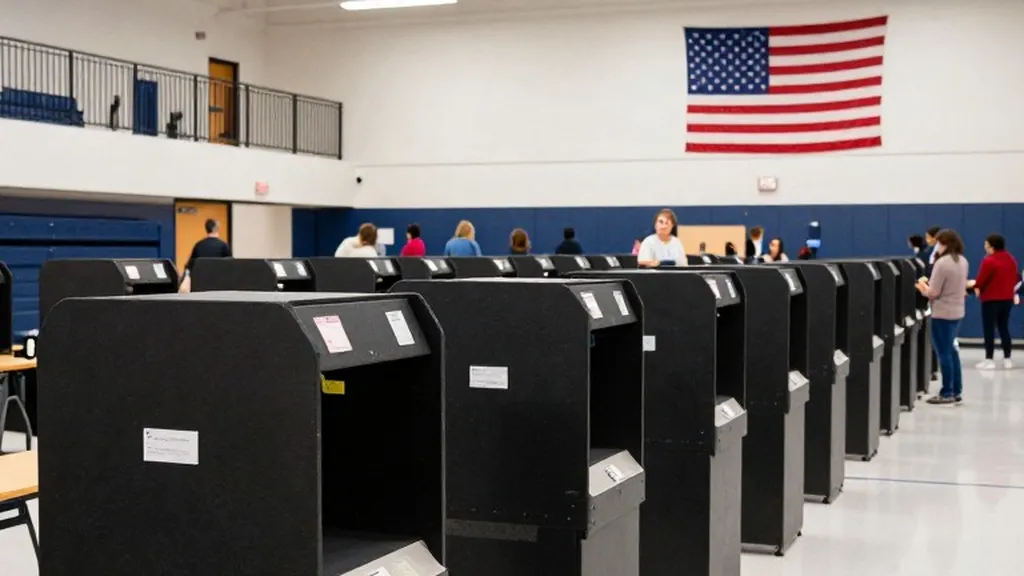
Polls are open across the nation on Tuesday, November 3, 2026, as voters head to the polls to decide the balance of power in Congress. This midterm election takes place halfway through President Donald Trump's second term, and the results will determine which party controls the legislative branch for the final two years of his administration. The stakes extend beyond domestic politics, drawing intense scrutiny from Wall Street and global markets that are watching for specific policy signals.
Financial markets are not just concerned with who holds the majority in Washington. Investors are particularly focused on how the election outcome might affect ongoing debates regarding artificial intelligence spending and negotiations over the federal debt ceiling. These issues are central to current market volatility, and any shift in congressional control could alter the legislative landscape for these critical economic pillars.
The Associated Press describes the current mood as one where voters are struggling with high prices and are angry over an unpopular war with Iran. Recent polling and NORC indicates that 35% of U.S. Adults approve of President Trump's job performance, while only 25% approve of his handling of the economy. About seven in ten adults say the country is heading in the wrong direction, with most blaming the president for rising costs.
Republican leadership is bracing for the possibility of losing the House, a outcome that has historically been common in midterm elections. RNC Chairman Joe Gruters emphasized that everything depends on turnout, stating that if the party can mobilize its voters, they will win. In contrast, Democrats are described as cautiously optimistic. DCCC Chair Rep. Suzan DelBene noted that the American people are angry and want change, reflecting a desire for a shift in the legislative agenda.
Voter sentiment is mixed, with some supporting the administration's direction and others citing financial strain. Mark Barker of Palm Beach Gardens, Florida, expressed support for the president's work, while James Moore, a librarian in Raleigh, North Carolina, highlighted personal financial pressures such as higher taxes and healthcare costs. These individual narratives reflect the broader national debate that is driving voter engagement this year.
Money is playing a significant role in this cycle, with the 2026 elections likely to be the most expensive in history. Republican committees outraised and outspent their Democratic counterparts, aided by Trump-affiliated groups and Elon Musk. However, at the candidate level, Democrats outraised their opponents. An AP analysis of AdImpact data shows that 88.1% of Republican general election TV ad spending went to states and districts that Trump won in 2024, including more than $850 million in areas where he won by 10 points or more.
Administrative issues are also shaping the day's events. A federal judge temporarily barred the Trump administration from carrying out a plan intended to prevent noncitizen voting, a move critics say risks disenfranchising eligible voters. Additionally, a judge ordered the administration to stop demanding that California election officials segregate ballots cast by people on lists of suspected noncitizens. These legal actions add another layer of complexity to an already high-stakes election day.
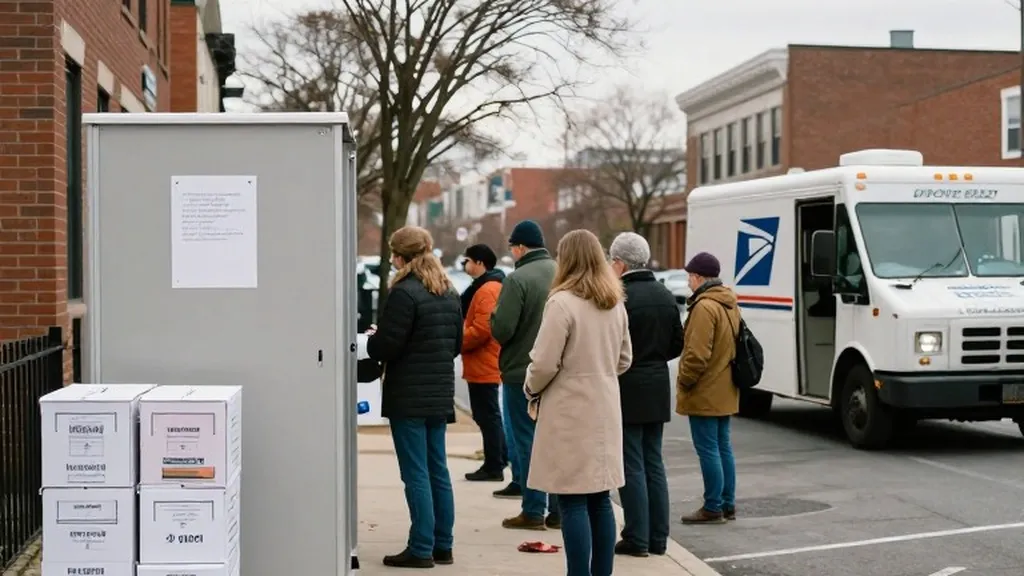
The U.S. Postal Service has added hours, staff, and special lines to ensure that mail ballots are counted on time, a crucial step in states where mail-in voting is prevalent. As voters cast their ballots, the focus remains on the 46 battleground House districts and 13 competitive Senate races. These contests will likely determine whether Democrats can gain the net seats needed to take control of either chamber, a scenario that would likely lead to investigations and oversight proceedings.
Global allies are also watching the results, as the outcome will signal the durability of U.S. Trade agreements and military commitments. The AP notes that the election is being viewed as a referendum on the president's second term, with the potential for a Democratic win to boost 2028 candidates like Gavin Newsom, JB Pritzker, and Pete Buttigieg. A strong Republican performance, however, would solidify the administration's agenda and complicate the path for Vice President JD Vance.
More than 57 million people had already voted as of Monday, surpassing early vote totals from four years ago in many closely watched states. This high level of early participation suggests a high turnout on election day, which is critical for both parties. As the polls close, the world will wait to see how the American electorate navigates the complex intersection of domestic economic pain and global strategic interests.