Iran War and Inflation Define 2026 Midterm Stakes
Voters weigh the cost of conflict and economic strain as control of Congress hangs in the balance.
By Allison Rojas ·
The United States enters the final stretch of the 2026 midterm elections with a focus on foreign policy and domestic costs. The Associated Press describes the contest as a referendum on President Donald Trump's second term. Voters are struggling with high prices and are angry over an unpopular war with Iran. This combination of economic anxiety and military conflict has shaped the campaign messaging for both parties.
Polls from the AP and NORC indicate that 35 percent of U.S. adults approve of the president's job performance. Only 25 percent approve of his handling of the economy. About seven in ten adults say the country is heading in the wrong direction. Most respondents blame the president for high prices. These numbers suggest a challenging environment for the Republican party as they seek to maintain control of Congress.
The war with Iran has become a central issue in the race. Democrats argue that the conflict diverts attention from domestic economic problems. They contend that the administration's focus on military engagement has contributed to rising costs for consumers. Republicans counter that the war was necessary to secure American interests in the region. They argue that decisive action is required to prevent future threats and that the long term benefits of stability outweigh the short term costs.
In the Senate, 35 seats are up for election. Republicans hold 53 seats and Democrats hold 45, with two independents who caucus with Democrats. Democrats need a net gain of four seats to take control of the chamber. Republicans can lose only two seats to maintain their majority. Ballotpedia identifies 13 Senate races as battlegrounds. These include Georgia, Michigan, and North Carolina. The outcome in these states will likely determine the balance of power in the upper chamber.
The House race is equally tight. All 435 seats are up for election. Republicans currently hold 218 seats and Democrats hold 214. Democrats need a net gain of three districts to secure a majority. Republicans can afford to lose no more than two seats. Six states are using new congressional maps after mid decade redistricting. These changes in California, Florida, Missouri, North Carolina, Tennessee, and Texas may shift the political landscape. The AP notes that one or two seats could tip the balance in either chamber.
Republican National Committee Chair Joe Gruters emphasized the importance of voter turnout. He stated that everything depends on turnout and that if the party turns out its voters, they win. This strategy relies on mobilizing the base in key districts. Democratic Congressional Campaign Committee Chair Suzan DelBene took a different approach. She said the American people are angry and want change. Her message focuses on capitalizing on voter dissatisfaction with the current economic conditions and the war effort.
President Trump held dozens of rallies to support Republican candidates. He ended his schedule on Sunday in Salina, Kansas, where he told supporters to pretend he was on the ballot. His travels included stops in Mississippi, South Carolina, and Texas. However, many Republican candidates kept their distance from the president during the final days. This dynamic reflects the complex relationship between the party and the president in the second term of his presidency.
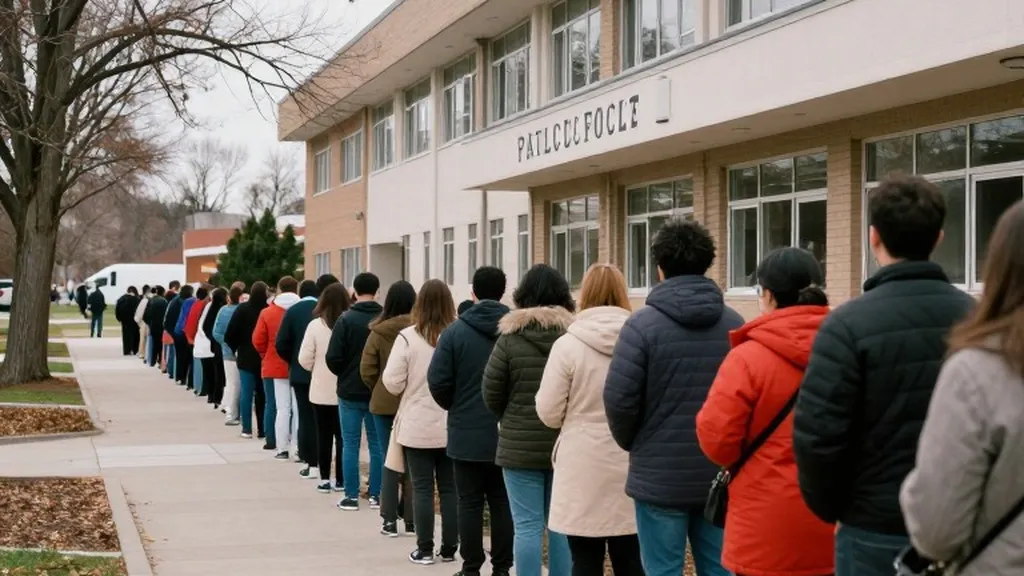
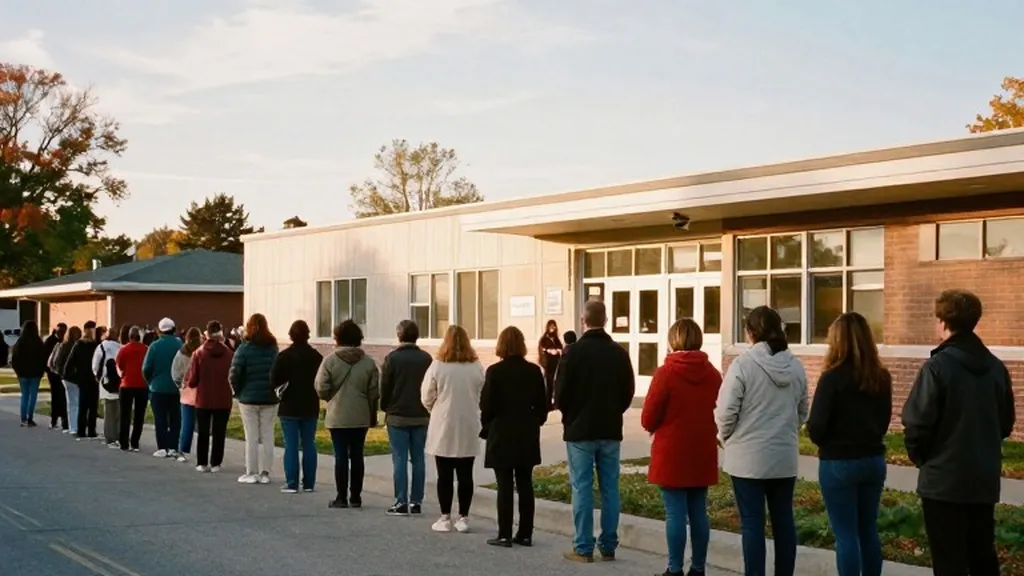
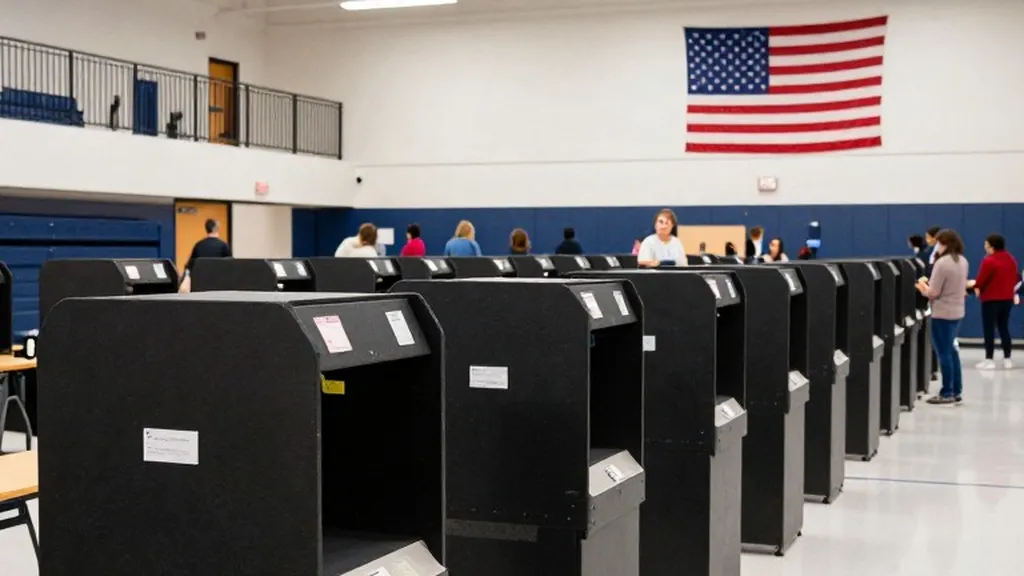
Voters are expressing their views on the ballot. Mark Barker of Palm Beach Gardens, Florida, said he has been following Trump and thinks he is doing an awesome job. In contrast, James Moore, a librarian in Raleigh, North Carolina, noted that he is paying more taxes and more for healthcare. These personal anecdotes highlight the divide among voters. The AP reports that more than 57 million people had already voted as of Monday. This number surpasses the early vote of four years ago in many closely watched states.
The outcome of the election will have significant implications for the war with Iran. If Democrats win control of either chamber, investigations and possible impeachment proceedings become likely. House Democratic Leader Hakeem Jeffries has outlined a 100 day agenda on the cost of living and oversight. A strong Democratic night could also boost potential 2028 candidates such as Gavin Newsom and JB Pritzker. Republicans are trying to beat the midterm pattern where a president's party almost always loses seats. They have used redistricting to their advantage, but new districts may not vote as drawn.
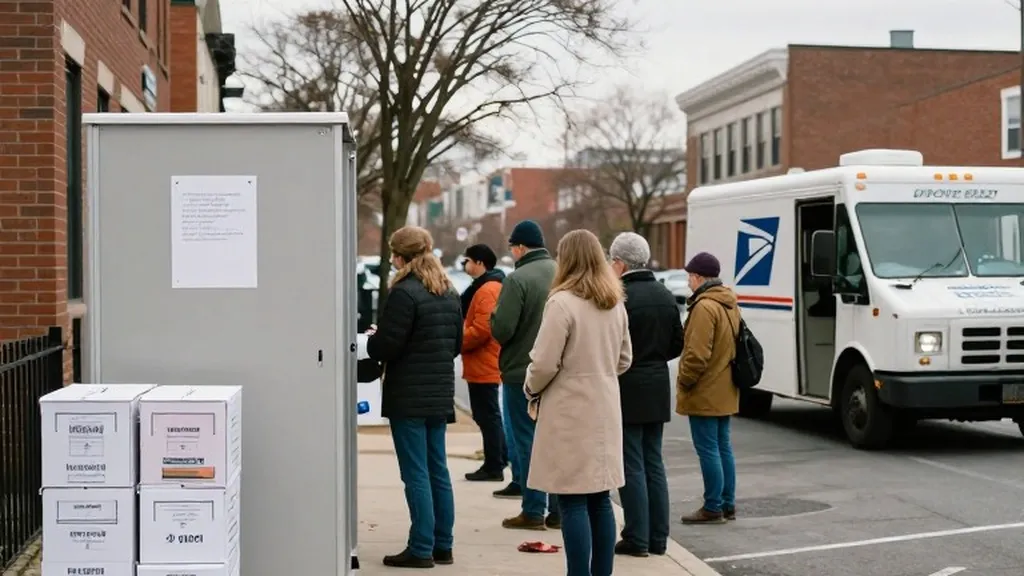
Election administration issues have added to the tension. A federal judge temporarily barred the Trump administration from carrying out a plan to prevent noncitizen voting. Critics say this risks disenfranchising eligible voters. The administration also sued in Alaska and California regarding the certification of results. The U.S. Postal Service added hours and staff to ensure mail ballots are counted on time. These administrative measures are crucial for the integrity of the election process.
The stakes extend beyond Congress. Wall Street is watching for signals on investor concerns about AI spending and debt ceiling negotiations. The result of the midterms will shape the legislative agenda for the next two years. Voters are deciding who will control the purse strings and the oversight mechanisms. The war with Iran and the state of the economy are the primary factors influencing their choices. As polls close across the country, the nation awaits the verdict on the direction of its foreign and domestic policies.