Ben-Gurion Airport Data Shows Shift in Travel Before October 27 Vote
Passenger records indicate a drop in departures and a surge in arrivals as Israeli citizens return to cast ballots in the upcoming general election.
By Javier Sanders ·
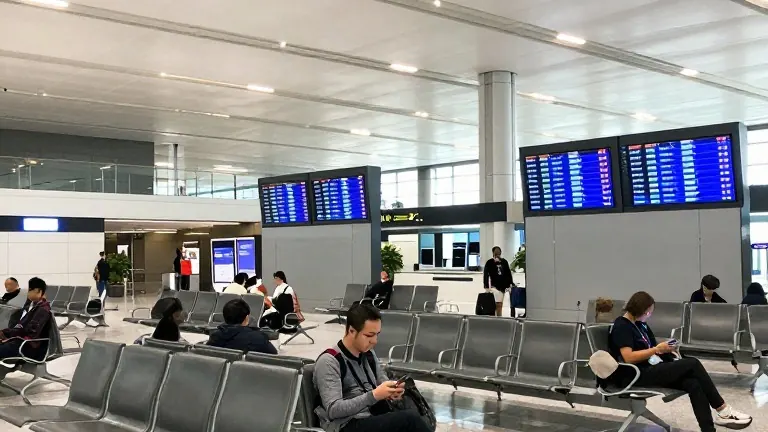
Ben-Gurion Airport passenger records indicate a change in travel behavior ahead of the Knesset election scheduled for October 27. Channel 13 analyzed airport traffic data to compare the period from October 17 to October 27 across three years: 2022, 2025, and 2026. The data suggests that many residents are altering their plans to participate in the vote.
Departures from Israel declined during this period in 2026. Approximately 245,000 passengers left the country. This figure compares to roughly 270,000 departures in 2025 and 323,000 in 2022. The 2022 period marked the previous general election. The drop in outgoing travelers occurred despite an increase in available aircraft and flight capacity compared to earlier years.
Arrivals to Israel increased during the same timeframe. Incoming travelers primarily used existing aviation capacity rather than special organized flights. The number of people entering the country exceeded the number leaving by more than 90,000 in 2026. In the same period in 2025, the gap between arrivals and departures was about 77,000.
Channel 13 estimated that the 90,000-person difference equates to roughly two Knesset seats if all individuals were eligible voters casting valid ballots. The passenger totals include children and foreign nationals who do not vote. The data does not isolate specific individuals who traveled solely for the election.
Israel's electoral threshold is 3.25% of valid votes. The 120 Knesset seats are distributed proportionally among parties that meet this threshold. Small changes in turnout could determine which parties clear the line. The impact of returning voters depends on how their ballots are distributed among candidates.
A recent Fly&Vote survey estimated that 67,000 Israelis living abroad planned to return for the vote. This figure was derived from registration data and voluntary responses. Most citizens abroad cannot vote remotely and must return to their home country to cast a ballot. The Fly&Vote initiative, operated by the AID Coalition, has worked to assist these voters. Likud initiated legal proceedings that restricted some of the organization's activities.
Alon Ben-Gurion, grandson of David Ben-Gurion, arrived from the United States with his family. He traveled to Tiberias to vote. Organizers had already arranged dedicated flights from New York and Lisbon in August to meet demand from overseas residents.