San Diego County sorts 42,000 mail-in ballots an hour
Officials in San Diego County use high-speed machines and strict manual checks to verify signatures and count votes after a primary where nearly 95% of ballots were cast by mail.
By Allison Rojas ·
Nearly 95% of the ballots counted in this year’s San Diego County primary were cast by mail. The Registrar of Voters processes these ballots using a combination of automated machinery and manual review to track submissions and verify voter identity.
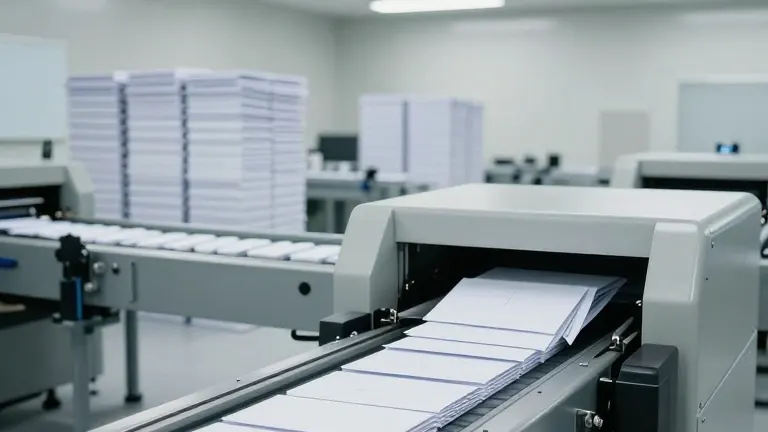
When envelopes arrive from the post office or county drop boxes, they enter a high-speed sorting machine. This equipment processes approximately 42,000 envelopes per hour. The machine scans each envelope and captures an image of the voter’s signature. During a recent visit, the system flagged a spike in rejected envelopes due to a mechanical issue with a belt. Technicians repaired the unit and reran the affected batches.
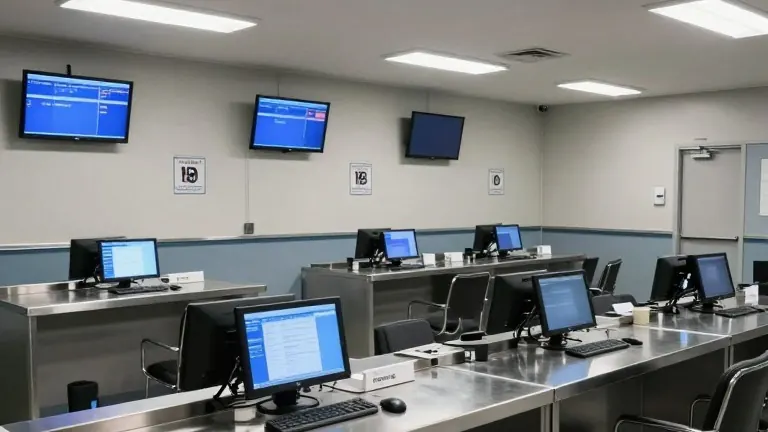
After sorting, election workers move to a separate room to compare signatures against records on file. Sean Brom, the Registrar of Voters, explained that any discrepancy triggers additional review by team members who examine past signature samples. Workers occasionally find that family members have signed on behalf of one another. A mismatch does not automatically reject a ballot. If a signature cannot be verified, the county mails a letter to the voter. The voter then has up to 22 days after Election Day to provide a current signature. Until the issue is resolved, the envelope remains sealed.
Brom stated that the separation of duties protects ballot secrecy. Workers position envelopes so the voter’s name is not visible when handling the ballot. “You can't unsee what you just saw,” Brom said. “We know if somebody voted, but we don't know how they voted.” This procedure ensures that personnel cannot link a specific voter to their choices.
To prevent multiple voting, every ballot envelope carries a unique ID. If a voter requests a replacement by mail, the original is flagged. The county tracks the movement of ballots between rooms to monitor the chain of custody. Brom noted that a voter cannot cast a mail-in ballot and then vote in person to have both counts registered. “Only one is going to count,” he said.
Damaged or torn ballots may require recreation so voting equipment can read them. Two employees work in pairs to copy votes onto a new ballot. They then switch roles to check each other’s work. For this year’s primary, 1.37% of mail-in ballots were rejected overall. The most common reason for rejection, aside from late mailing, was a signature that did not match the voter’s driver’s license.
Final vote counting occurs in a room with strictly controlled access. Computers convert marked bubbles into totals without an internet connection. Brom said the county tests a sample digital count against known totals before each election. During a recent visit, Brom himself had to sign in and receive permission to enter the room. The process remains open to the public, and voters can track the status of their mail-in ballots through an online system.