Trump and Netanyahu schedule Iran strikes for after midterms
The leaders are waiting for Americans to cast their ballots before launching a new wave of attacks, a move that follows a pattern set by several past presidents.
By Javier Sanders ·
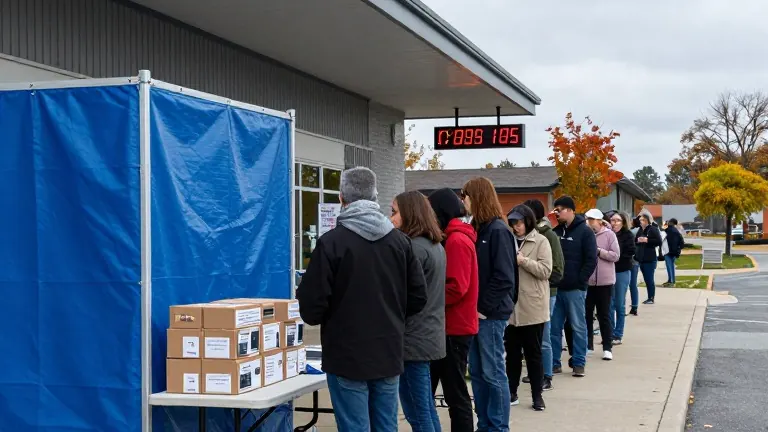
Americans will finish casting their midterm ballots on Tuesday, November 3, before the United States and Israel begin a new series of military strikes on Iran. President Donald Trump and Israeli Prime Minister Benjamin Netanyahu have reportedly spent the past several weeks debating the timing of the attacks rather than their necessity.
Netanyahu initially pushed to restart the bombing campaign before either nation’s election. He officially denied this preference, but it aligns with his history of using active conflicts to limit political and legal scrutiny. Trump has publicly stated that the United States will not attack Iran until after the midterms conclude. Recent reports indicate both governments are actively preparing for a major escalation once voting ends.
This timing creates a direct contradiction with the leaders' public arguments. Both Trump and Netanyahu have described renewed attacks as essential for protecting the American public. The decision to wait for voters to leave the polls undermines the claim that the threat is too immediate to delay for a few days.
Public support for the conflict has declined sharply in recent months. Currently, two-thirds of Americans disapprove of Trump’s Iran policy. This opposition is driven largely by concerns over rising energy prices and their effect on the cost of living. Despite the war’s unpopularity, the administration intends to escalate military operations in the coming weeks.
Waiting for elections to pass before enacting controversial policies is a common practice among U.S. presidents. George W. Bush delayed the Iraq troop surge until after the 2006 midterms. Barack Obama waited until after the 2014 midterms to roll out second-term immigration reforms. George H.W. Bush announced the Gulf military buildup two days after the 1990 midterms.
Other leaders have also shifted stances after securing electoral victories. Woodrow Wilson, Franklin D. Roosevelt, and Lyndon B. Johnson all campaigned on promises to avoid new wars. Each changed course after winning their elections. These historical examples show that Trump is not an outlier in timing major policy shifts around voting days.
The strategy relies on the gap between election cycles to push forward with unpopular decisions. Once next Wednesday arrives, Trump and his party will face no immediate electoral pressure for several years. This allows them to advance their Iran policy without needing to justify the timing to a fresh electorate. The administration’s hesitation before November 3 demonstrates that leaders still monitor public sentiment before acting.