Mississippi Senate Race: Colom Faces Hyde-Smith in 12 Days
With 40% of the electorate identifying as Black, the contest draws heavy spending from both sides despite the state's historical red lean.
By Allison Rojas ·
Mississippi possesses the highest share of Black voters in the United States, a demographic factor that now anchors a competitive U.S. Senate race entering its final days. The state is rural, agriculture-heavy, and among the nation's poorest, conditions that make higher prices acutely felt by residents. President Donald Trump won the state by 23 points in the 2024 election, establishing a strong baseline for the Republican party. However, the current midterm environment has shifted attention and resources toward this Magnolia state contest.
Scott Colom, a district attorney and the Democratic nominee, challenged incumbent Republican Senator Cindy Hyde-Smith. Colom noted that the Democratic party has historically underinvested in the region. He stated that Mississippi was a betrayed cause rather than a lost one, pointing to the disparity in spending compared to other states. Hyde-Smith, who blocked Colom's federal judge nomination during the Biden administration, is seeking reelection. Both campaigns have accelerated their spending in the final weeks as national polling indicates a pathway for Democratic gains through elevated Black turnout and reduced Republican base turnout.
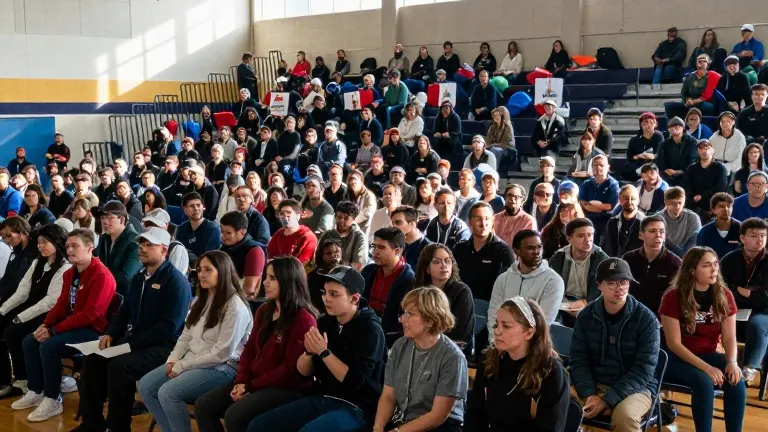
On Thursday, approximately 1,000 people gathered at a high school gym in Colom's hometown for a rally featuring the candidate and former Vice President Kamala Harris. Attendees cited dissatisfaction with the war in Iran, rising fuel costs, and the current presidential administration. Celestine Rice, a supporter, remarked that the moral compass of the country has vanished. She argued that big money does not trickle down as promised, reflecting a widespread sentiment that the political system requires change.
Harris addressed the crowd, describing the past year and a half as the most callous, corrupt, and incompetent presidential administration she has experienced. She urged voters to convert their anger into action with the election 12 days away. The presence of national figures, including Senator Raphael Warnock and former Secretary Pete Buttigieg, signals a strategic focus on the South. Democrats have spent approximately $5 million in the state this month, surpassing the $3.2 million spent by Republicans.
In Corinth, about 100 miles away, President Trump and Senator Hyde-Smith held a rally to motivate Republican voters. Hyde-Smith characterized the choice as socialism versus capitalism and communism versus democracy. She emphasized that endorsements do not win elections; votes do. Trump stated he was present because he believed Hyde-Smith was in good shape and wanted to prevent complacency among supporters. He warned that staying home could lead to negative outcomes for the incumbent.
The Republican campaign has spent more than $1.3 million on an ad titled "Most Radical," which describes Colom as beholden to the far left and claims violent crime doubled during his tenure as district attorney. Colom responded by suggesting that voters want to fire the incumbent. He argued that if Hyde-Smith were focused on voters, the race would be tougher, but the current sentiment favors change.
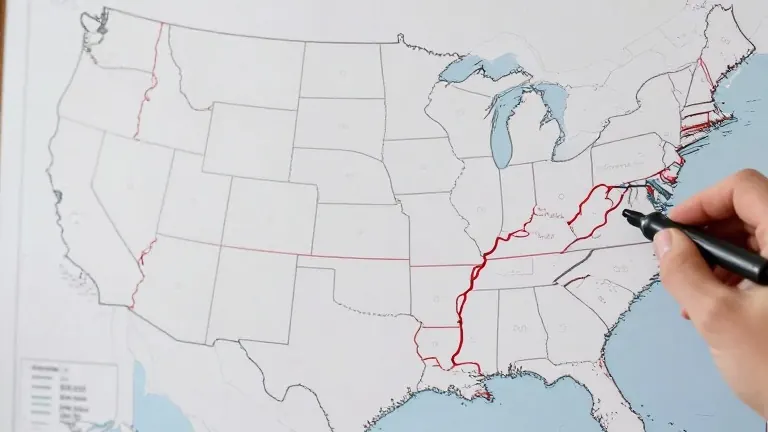
The race has become a focal point for discussions on Black voting power in the South. Following a Supreme Court ruling earlier this year that rolled back parts of the Voting Rights Act, many Southern states led by Republicans have redrawn congressional maps. Mississippi Republicans have signaled plans to redraw state legislative and judicial races after the midterms. Colom described this as an attempt to transfer power from voters to leaders. The state has not elected a Democratic senator since the early 1980s, and the last successful Black statewide candidate emerged during Reconstruction.
Cindy Hyde-Smith won the special election for this seat in 2018 by roughly seven points during a national blue wave. Despite these historical hurdles, the current cycle features a pervasive anti-incumbent streak in polls and primaries. A significant increase in Black voter turnout in states with early voting adds another variable. Ashley Kennedy Shelton, who runs a nonpartisan civic engagement group in Louisiana, noted that voters of all stripes express fatigue with the status quo. She predicted this frustration would translate to the ballot box on November 3.