Iranian Leadership: U.S. Midterm Defeat Signals Shift in War Dynamics
Officials in Tehran linked the Democratic sweep to war weariness, while back-channel talks continue amid renewed strikes in the Strait of Hormuz.
By Allison Rojas ·

American voters rejected the Republican Party in Tuesday's midterm elections, a result that Iranian officials are framing as a direct rebuke of President Donald Trump's handling of the war. The shift in power in Washington coincides with an eight-month conflict that has disrupted global energy markets and strained relations across the Middle East.
Mohammad Bagher Qalibaf, Iran's chief negotiator and parliament speaker, stated on X that Americans voted based on "conscience or the cost of living." He argued that the electorate said no to war and warned that if the U.S. government betrays that public will, it will face consequences. Qalibaf’s comments reflect a strategy of leveraging the U.S. domestic political climate to pressure Washington into a diplomatic compromise.
Despite the celebration, Iran's supreme leader Ayatollah Mojtaba Khamenei cautioned against overestimating the impact of the election. He has not appeared publicly since the war began with strikes on February 28. In a letter shared on social media, Khamenei wrote that those hoping for a change in U.S. behavior due to partisan shifts are "gravely mistaken." He emphasized that Iran's hostility toward the United States is rooted in the system of domination, not just the current administration.
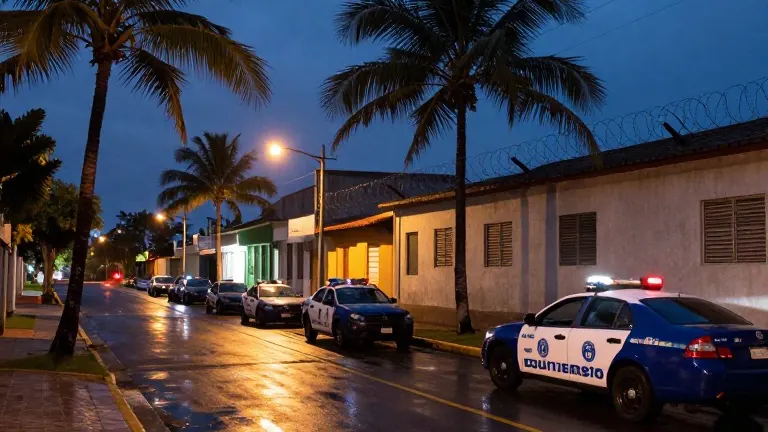
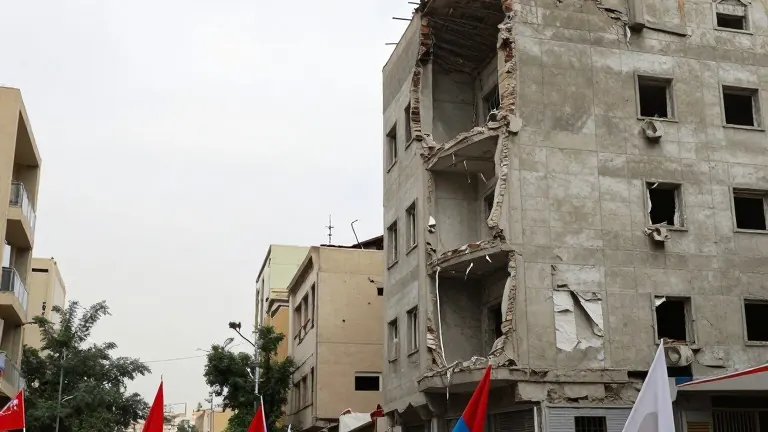
The election results arrived just after the U.S. conducted limited strikes on Iranian targets in the Strait of Hormuz. Iranian state media reported explosions on Qeshm and Hengam islands and near Bandar Abbas on Monday. The strait, which handles about a fifth of the world's oil supply, has seen repeated incidents involving commercial shipping since the conflict started. The U.S. maintains a naval blockade of Iranian ports, while thousands of additional troops and another aircraft carrier are being deployed to the region.
Negotiations continue despite the military activity. U.S. Vice President JD Vance stated on Monday that he and Trump feel positive about the prospects for a negotiated settlement. Two regional officials and a third person familiar with the matter said Israeli Prime Minister Benjamin Netanyahu pushed for more strikes during a weekend call with Trump. Mediators are working on a framework where Iran halts attacks in the strait in exchange for the U.S. lifting its blockade.
The anniversary of the 1979 U.S. Embassy seizure also fell on Wednesday. Thousands marched through Tehran, burning American and Israeli flags and chanting slogans against the two nations. Tehran Mayor Alireza Zakani addressed the crowd, claiming the U.S. and Israel had suffered a decisive defeat in both war and elections. He attributed this outcome to the steadfastness of the Iranian people, a narrative that now includes the midterms as a validation of their resistance.