Voters cast 57 million ballots as midterms approach $11.9 billion cost
Record early turnout and Elon Musk's $366 million spending push define the November 3 contest for Congress.
By Allison Rojas ·

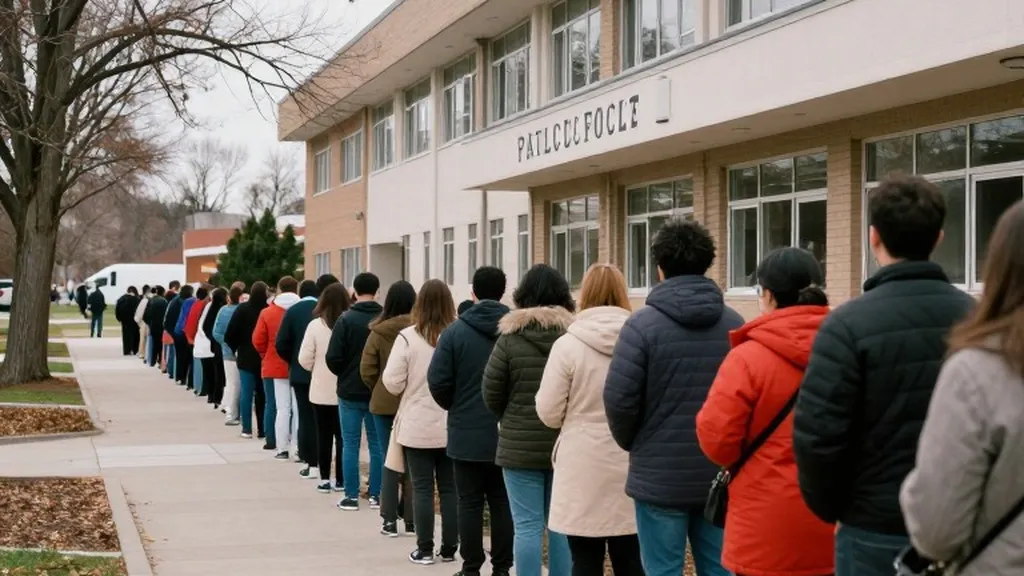
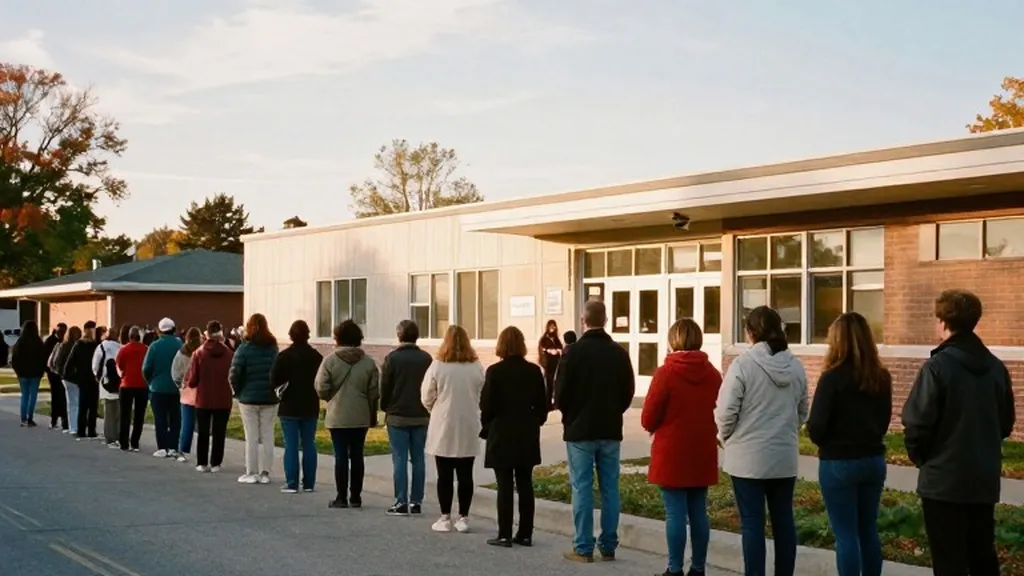
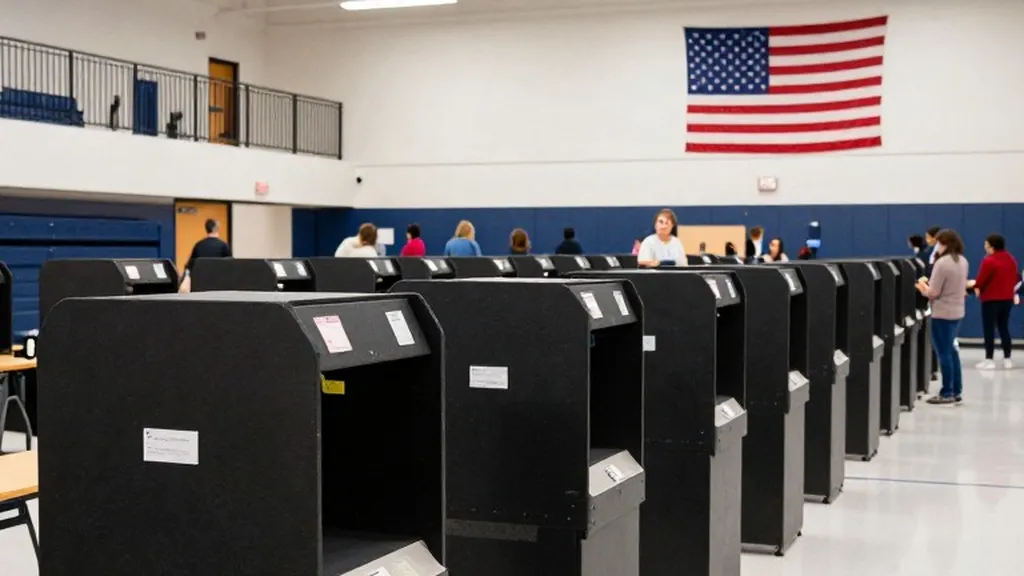
American voters cast more than 57 million ballots in the week leading up to the November 3 midterm elections, a figure that far exceeds early voting records from previous cycles. The University of Florida Election Lab reported this count on Monday. This turnout places the current election on a path to become the most expensive in United States history. OpenSecrets, a nonpartisan watchdog group, estimates total spending by candidates and outside groups will reach $11.9 billion.
The high price tag includes a substantial contribution from Elon Musk. Campaign finance records show he spent approximately $366 million to support Republican candidates as of three weeks ago. While midterms typically draw fewer voters than presidential elections, this year's numbers have surged. For comparison, 46 million people voted early in the 2022 midterms. The 2024 presidential election saw over 155 million votes cast.
The stakes center on control of Congress. Republicans currently hold a 218 to 214 majority in the House of Representatives. This count includes two vacancies and one independent who caucuses with the party. Democrats need a net gain of four seats to secure the majority. In the Senate, Republicans hold a 53 to 47 majority. Democrats must win four additional seats to take control. Twelve specific Senate races could determine the outcome, including contests in Kansas and Texas.
President Donald Trump’s approval rating stands at 32% according to Reuters/Ipsos polling. This near-record low approval rate suggests voters may grade the administration negatively. Domestic issues such as rising consumer prices are influencing many races. The University of Florida Election Lab also found that Democratic voters show higher enthusiasm and have cast ballots at higher rates than Republicans. Some Latino voters who supported Trump in 2024 are returning to the Democratic column due to economic concerns and immigration enforcement tactics.
If Democrats win the House, Representative Hakeem Jeffries of New York is the leading candidate for speaker. He would become the first Black American to hold the position. Jeffries has stated that Democrats will investigate what he calls unprecedented levels of corruption during the Trump administration. A Republican hold would likely keep Speaker Mike Johnson in the role or replace him with another Republican. Republican priorities would focus on tax cuts, defense spending increases, and social safety net reductions.
Key House races include Representative Mike Lawler’s reelection bid in New York. He faces a challenge in a district that Kamala Harris won in her 2024 presidential campaign. An open seat in Nebraska draws attention as farmers and truckers face higher fuel prices linked to the US war against Iran. Democrats also target two seats in Pennsylvania and one in New Jersey. Voters in 36 states will choose governors, and nearly every state will hold legislative elections. Republicans currently control 55% of state legislative seats, while Democrats hold 43.8%, according to Ballotpedia.