Inland Empire voters face key local fights and tax questions on Tuesday
Early voting numbers have already broken records, but Tuesday's ballot includes a congressional runoff, a council race complicated by an FBI raid, and three major tax measures.
By Allison Rojas ·
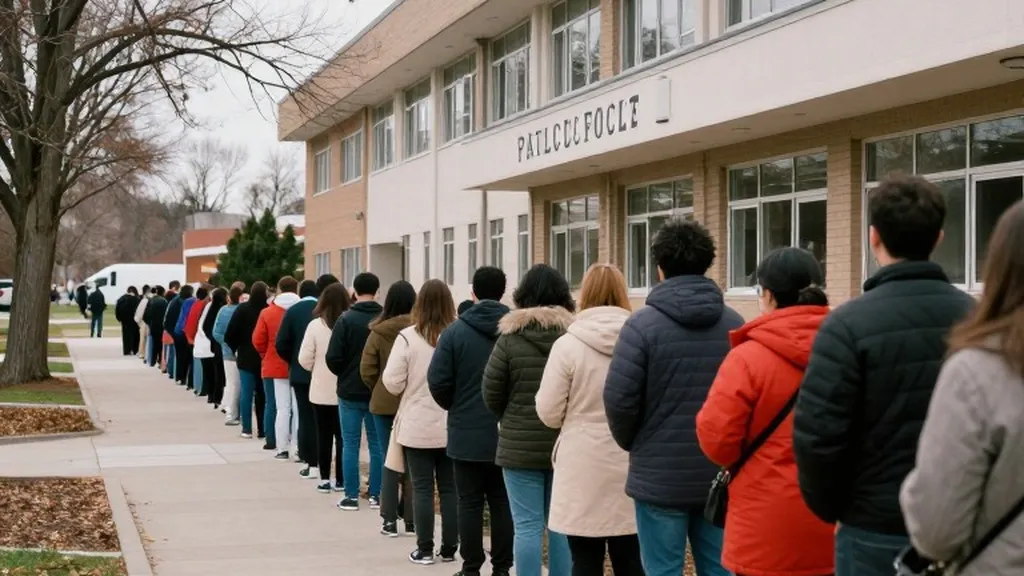
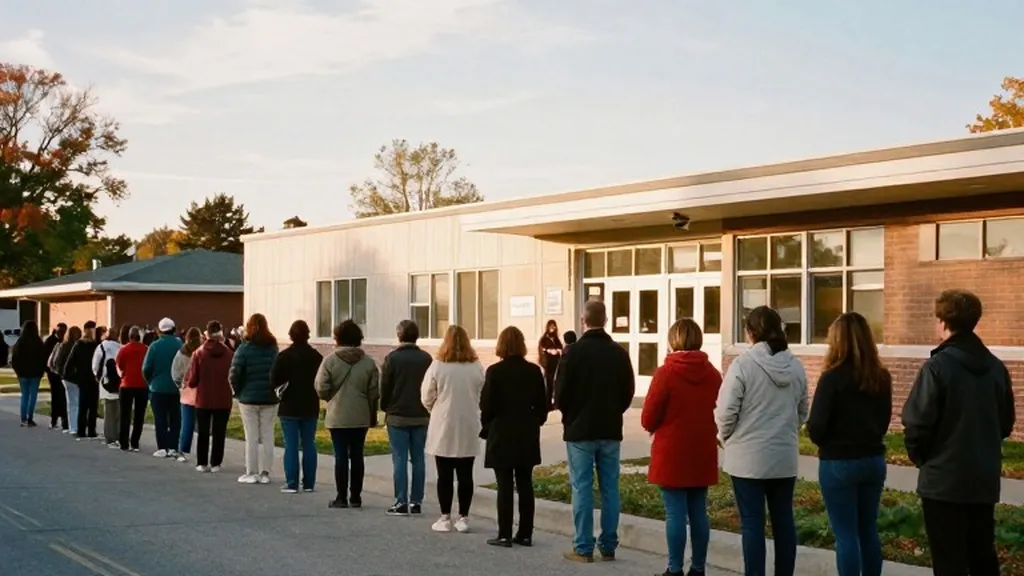
The 2026 general election arrived with record-breaking turnout already on the books for the Inland Empire.
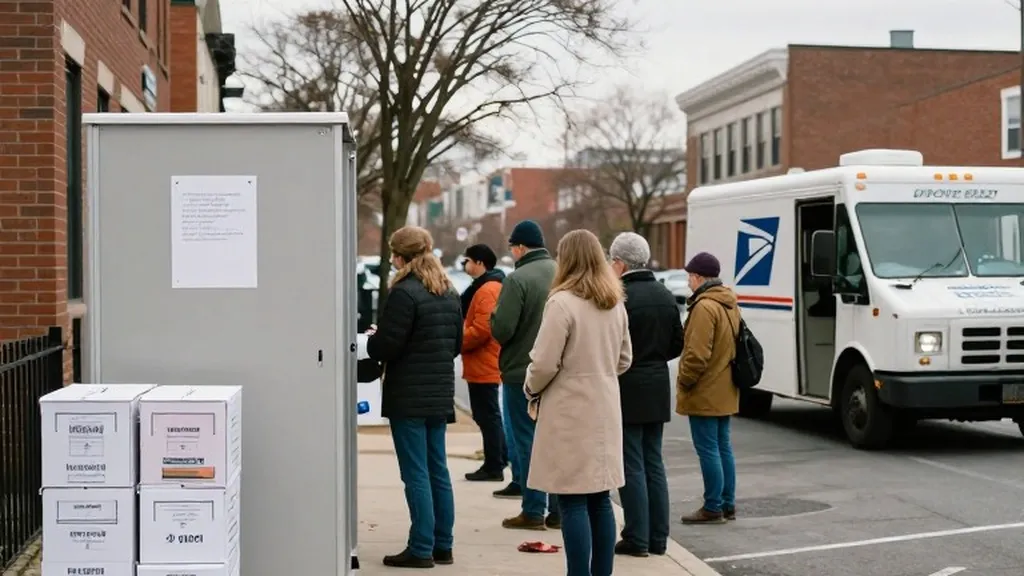
As of Monday morning, Nov. 2, more than 605,000 residents in Riverside and San Bernardino counties had cast ballots. Political Data Inc. confirmed these numbers for the Nov. 3 election. This count places the region among the highest in California, where every registered voter received a mail-in ballot one month before Election Day.
The momentum built through the fall. By Oct. 29, early voting totals had surpassed the late-October figures from the 2022 general election by more than 1 million votes. Paul Mitchell, vice president of Political Data, noted this surge on X. The high participation rate sets the stage for a series of contentious local contests and financial decisions that voters must address on Tuesday.
Two Republican incumbents are fighting for control of the 40th Congressional District. Rep. Ken Calvert of Corona and Rep. Young Kim of Anaheim Hills both lost their original seats when Proposition 50 redrew state maps. They moved to the 40th district because it contains a plurality of GOP-registered voters. Both candidates finished in the top two spots in the June primary, which excluded Democratic challengers from the general election. The race represents a direct intraparty showdown for a seat covering parts of both counties.
In the 58th Assembly District, Leticia Castillo of Corona faces her first reelection bid against Democrat Clarissa Cervantes. The district includes Jurupa Valley, Grand Terrace, and portions of Corona, Eastvale, and Riverside. Cervantes lost to Castillo by 596 votes in 2024. The current registration breakdown favors the challenger, with 42% of voters identified as Democrats and 27% as Republicans. The result will determine who holds the seat for the next two years.
The Ontario City Council race for Ward 3 took a dramatic turn following a federal investigation. Councilmember Alan Wapner had initially targeted the mayoral seat held by Paul Leon. That campaign ended when the FBI raided Wapner’s home as part of a political corruption probe. The investigation also targeted County Supervisor Curt Hagman. Wapner stepped down as chair of the Ontario International Airport Authority after the raids. He is now running for his existing council seat, where he has served for more than 30 years. He faces three opponents: D’Andre Lampkin, Michael Rios, and Larry Trinidad.
Voters in Riverside County will also choose a new Superior Court judge to replace the retired Judge Harold Hopp. The race pits Andrea Garcia, a San Bernardino County deputy public defender, against Michelle Paradise, a former county prosecutor. Democratic groups rallied behind Garcia. Law enforcement unions and Republicans, including Sheriff Chad Bianco, supported Paradise. The partisan alignment of the candidates defined the campaign despite the nonpartisan nature of the office.
Three ballot measures put local taxes and spending to the vote. Measure A in Riverside County asks voters to extend a half-cent sales tax currently set to expire in 2039. First passed in 1988, the measure has generated more than $4 billion for freeway lanes and public transportation. The Transportation Commission seeks to keep the revenue stream active for future projects.
San Bernardino Valley College and Crafton Hills College seek $898 million in new facilities and repairs under Measure Y. This bond measure is part of a wave of local school repair proposals. Meanwhile, Perris voters face Measure C, which imposes a business license tax on large industrial buildings based on square footage. City officials estimate the measure will raise $2.5 million annually for road repairs and services. Critics argue the tax penalizes the logistics industry, a major employer in the city.
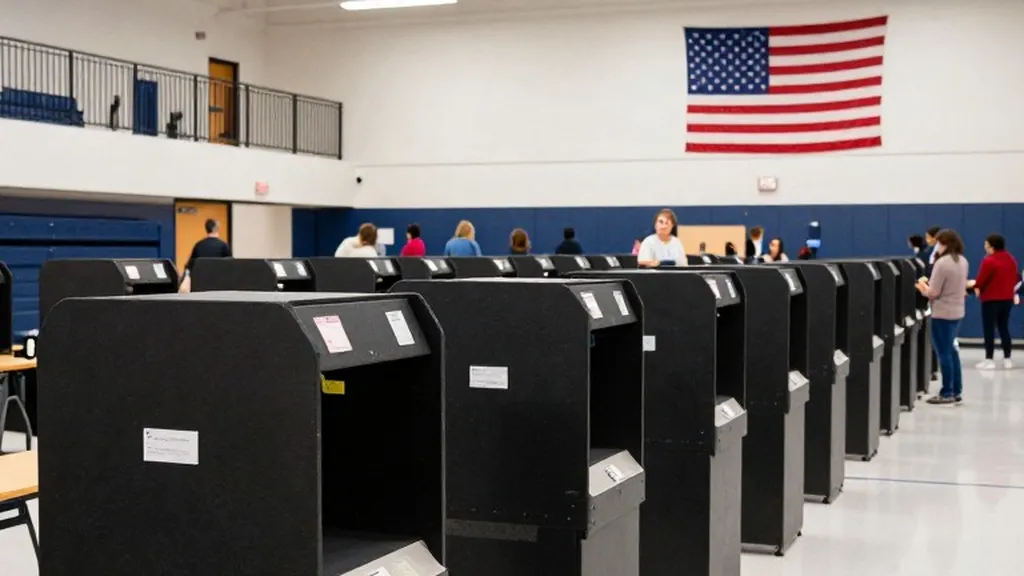
Polls will close on Tuesday, finalizing the outcomes for these districts and measures. The early voting surge suggests a decisive electorate is ready to make its choice.